~
~
~
~
Another week worn and older and more work done at the ditch. We do good work. Life as a work of art. Work as our palette. No matter if it’s digging ditch.
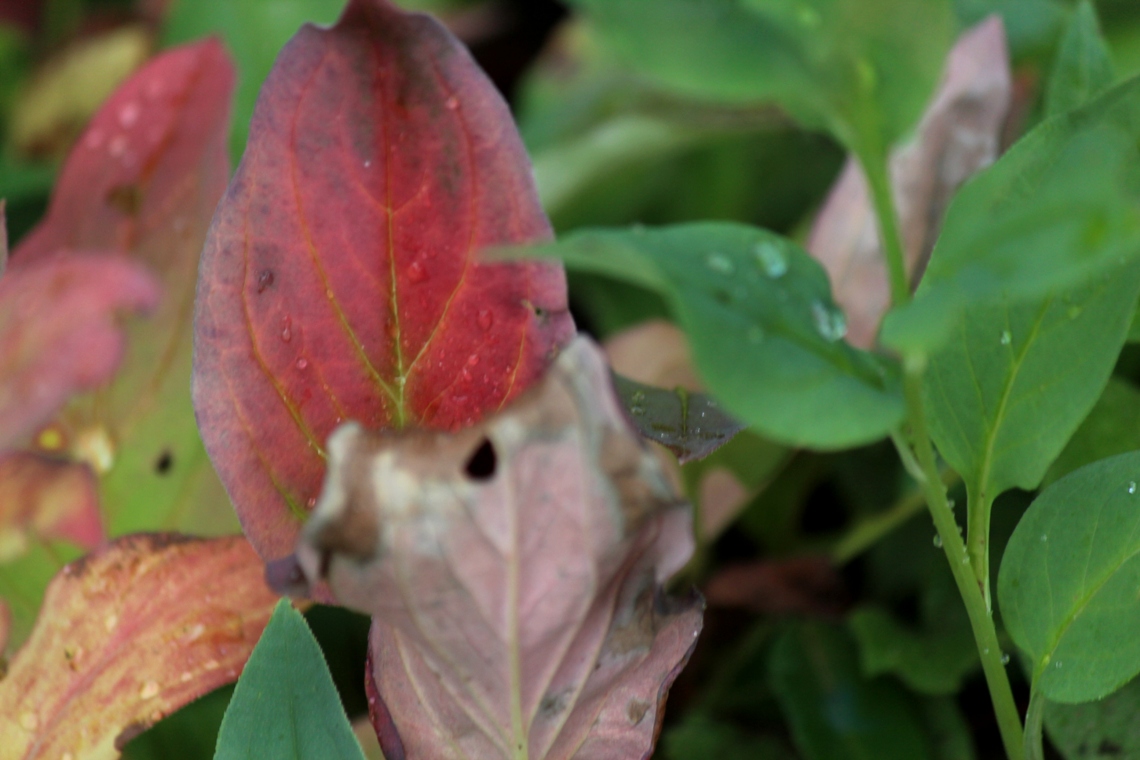
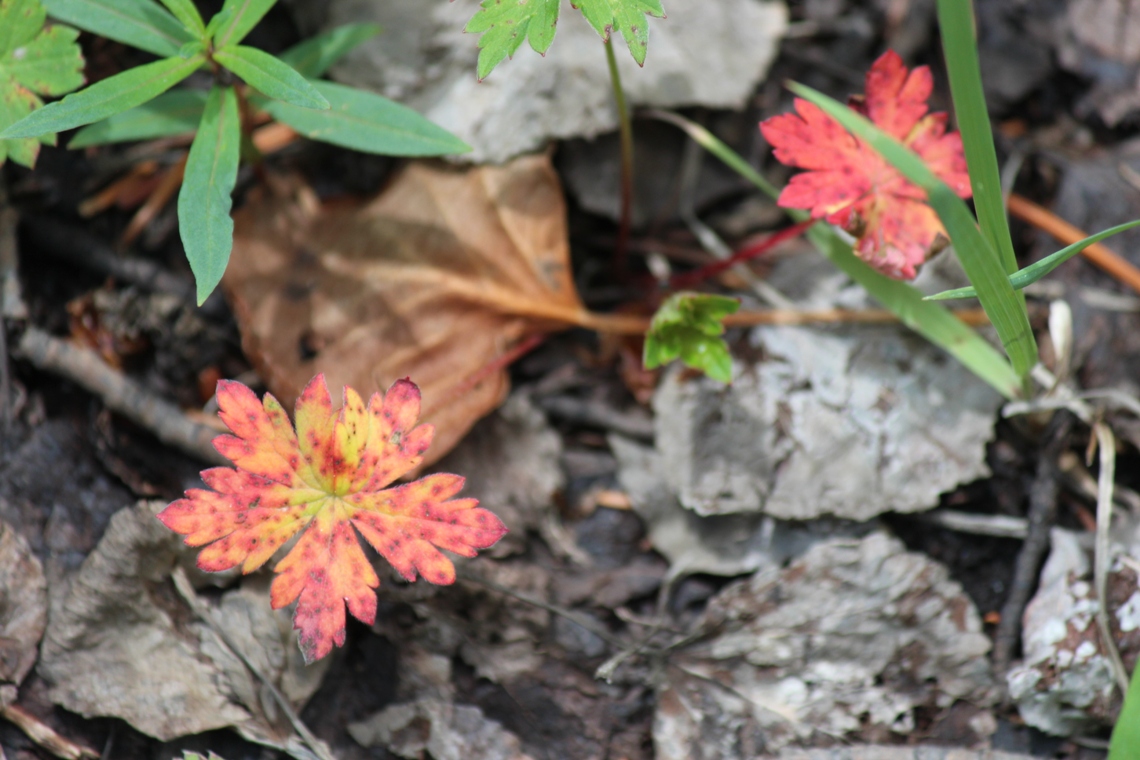
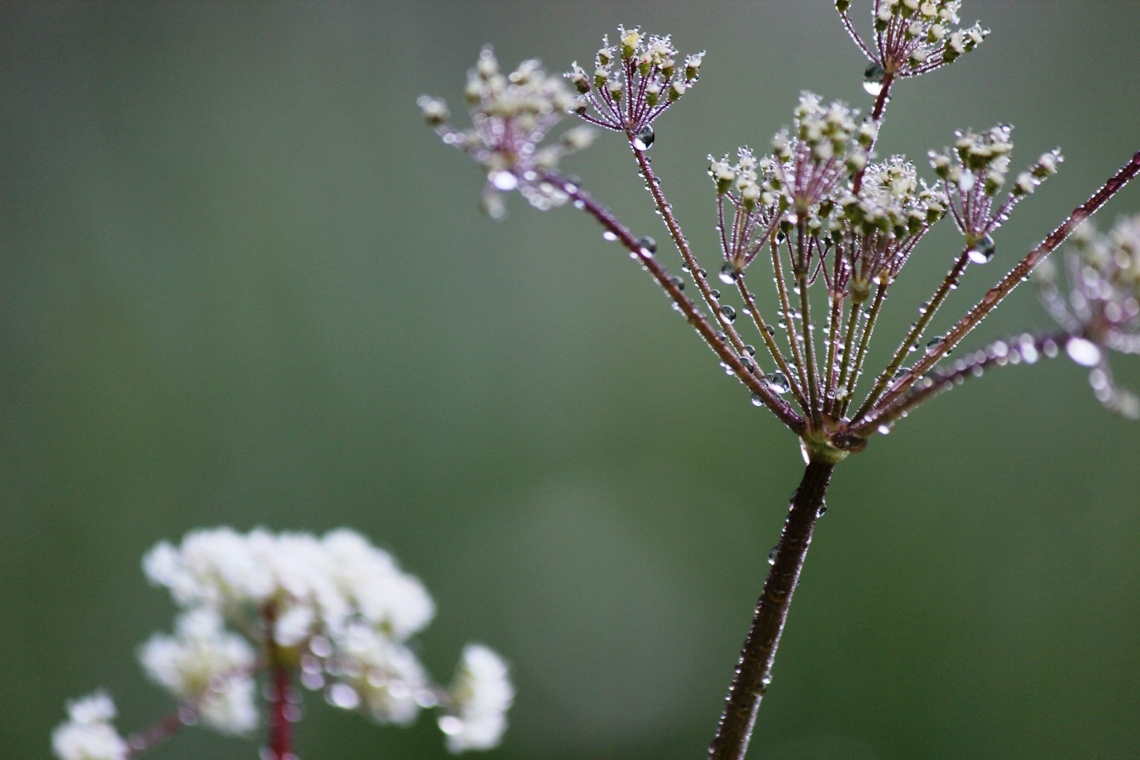
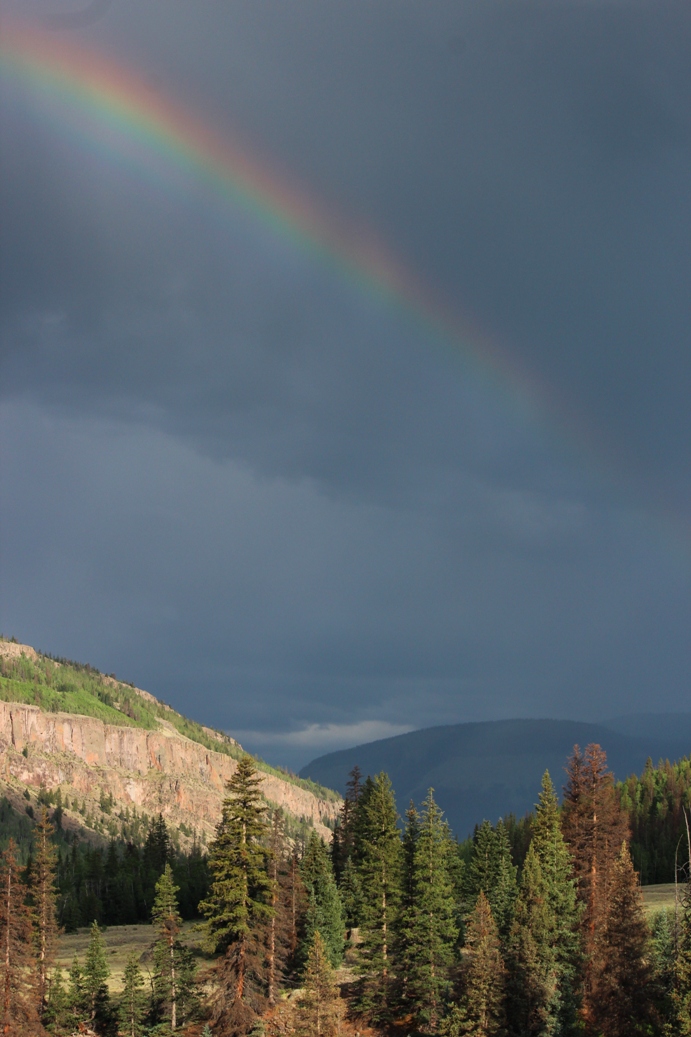
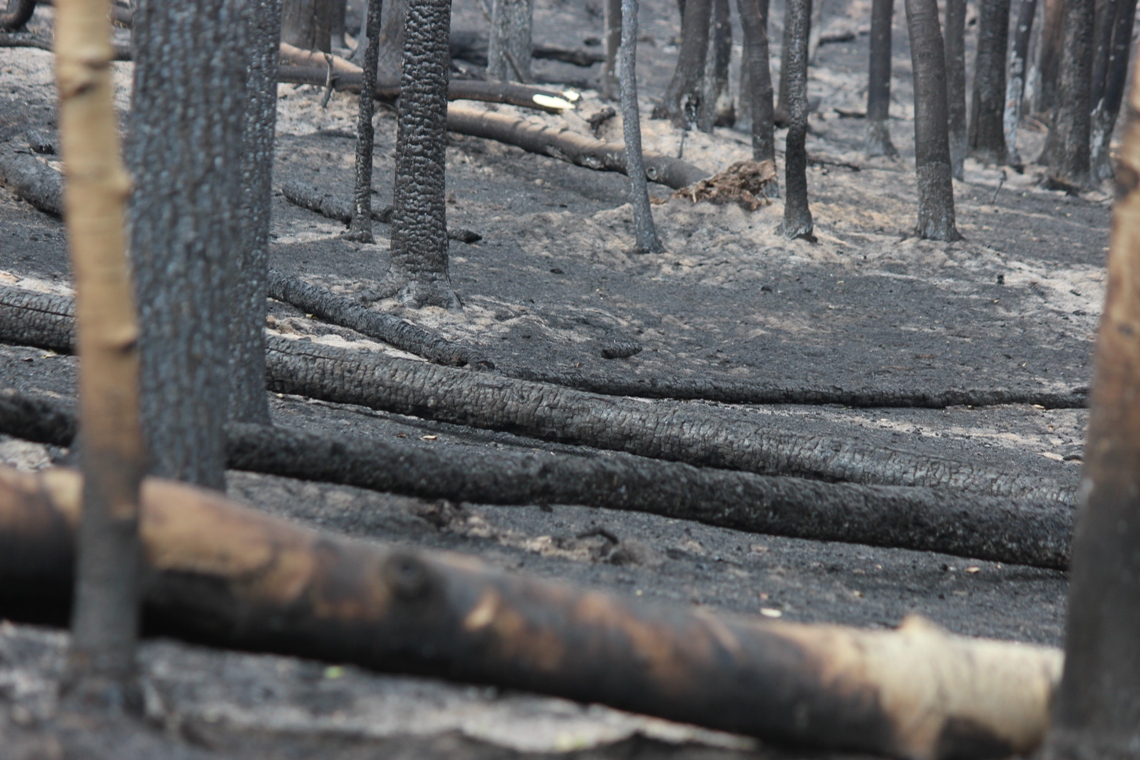
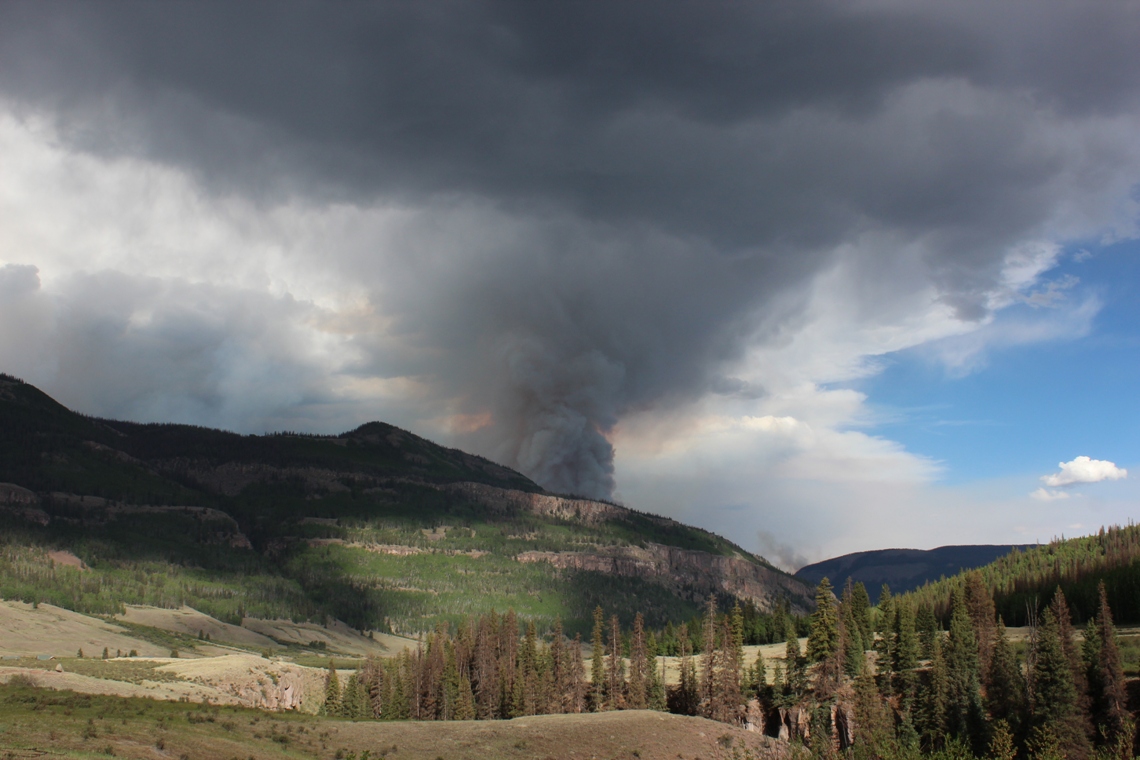
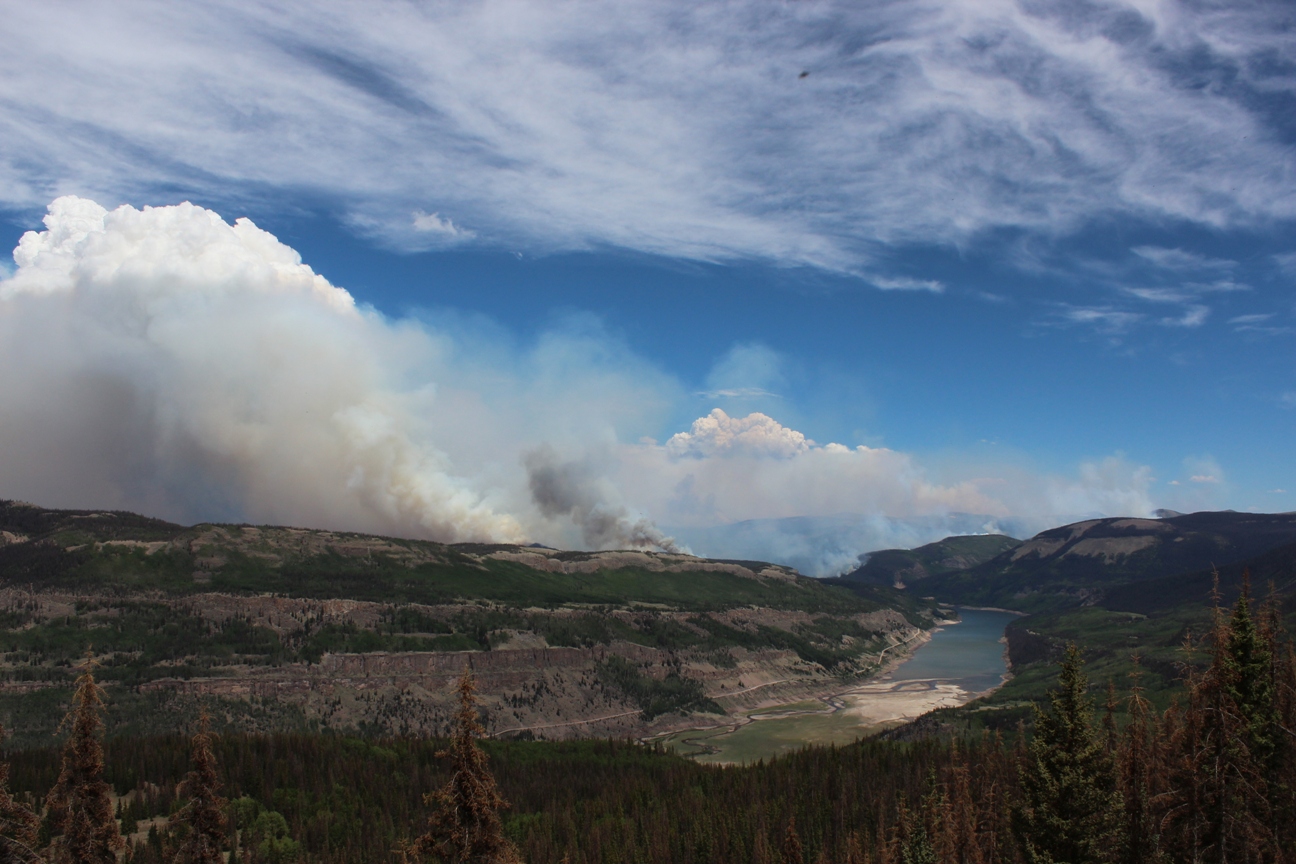
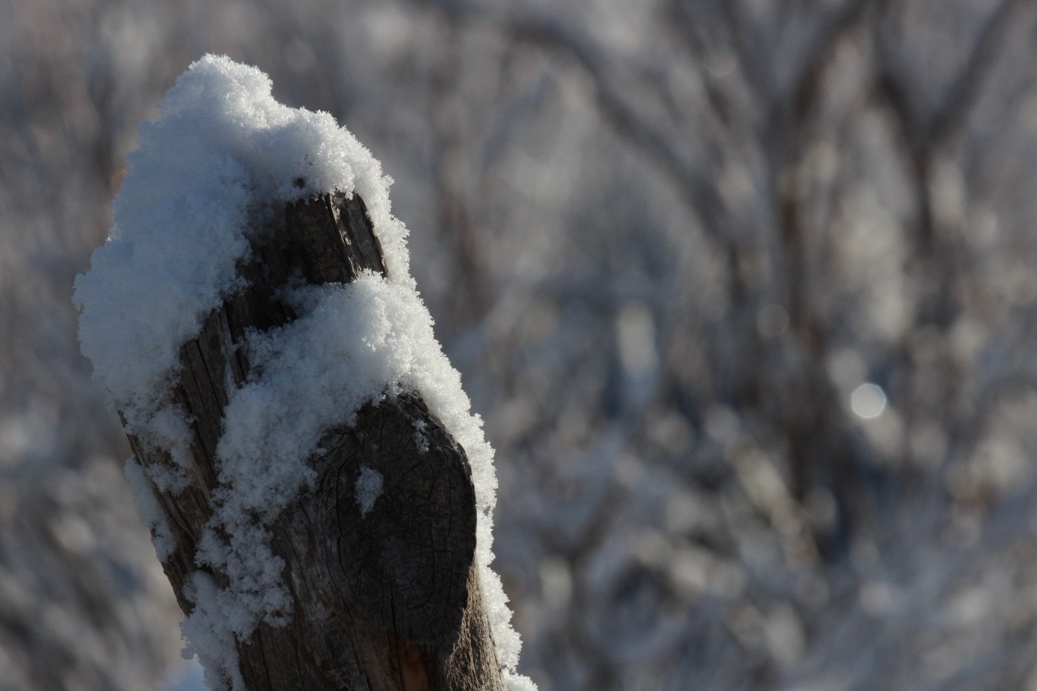
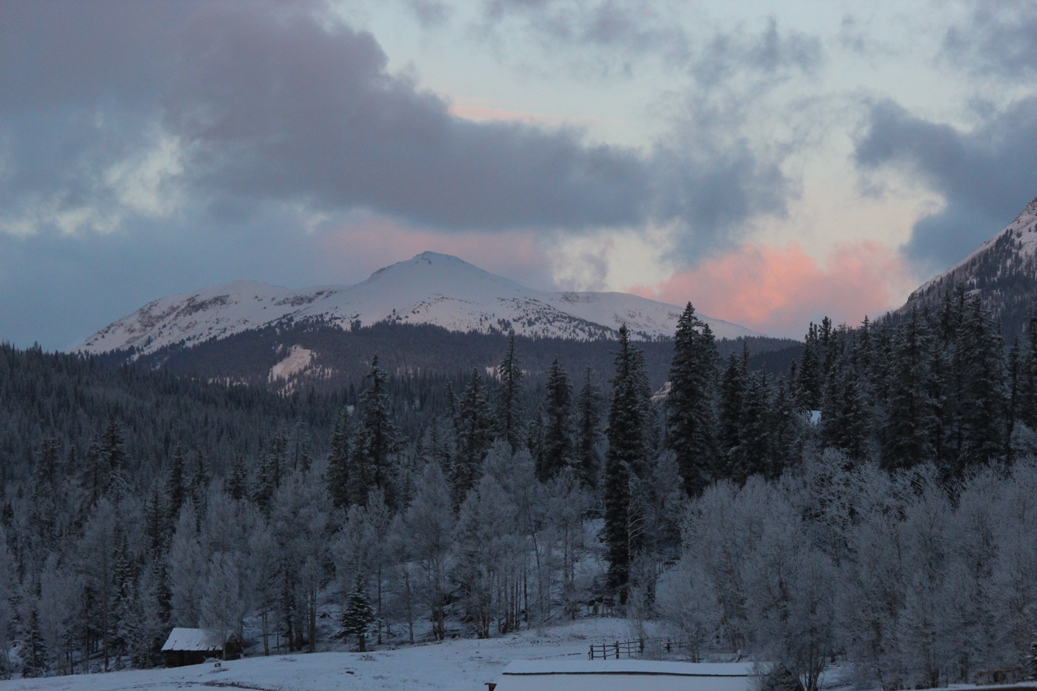
Frost already in the morning. Rain so hard you wonder if you’ll ever dry and suddenly fire becomes a treasured gift though I don’t know if I’ll ever look at thunderheads the same way and not see plumes of smoke rising from the raging flames. Our views are tainted. Maybe it’s just me.
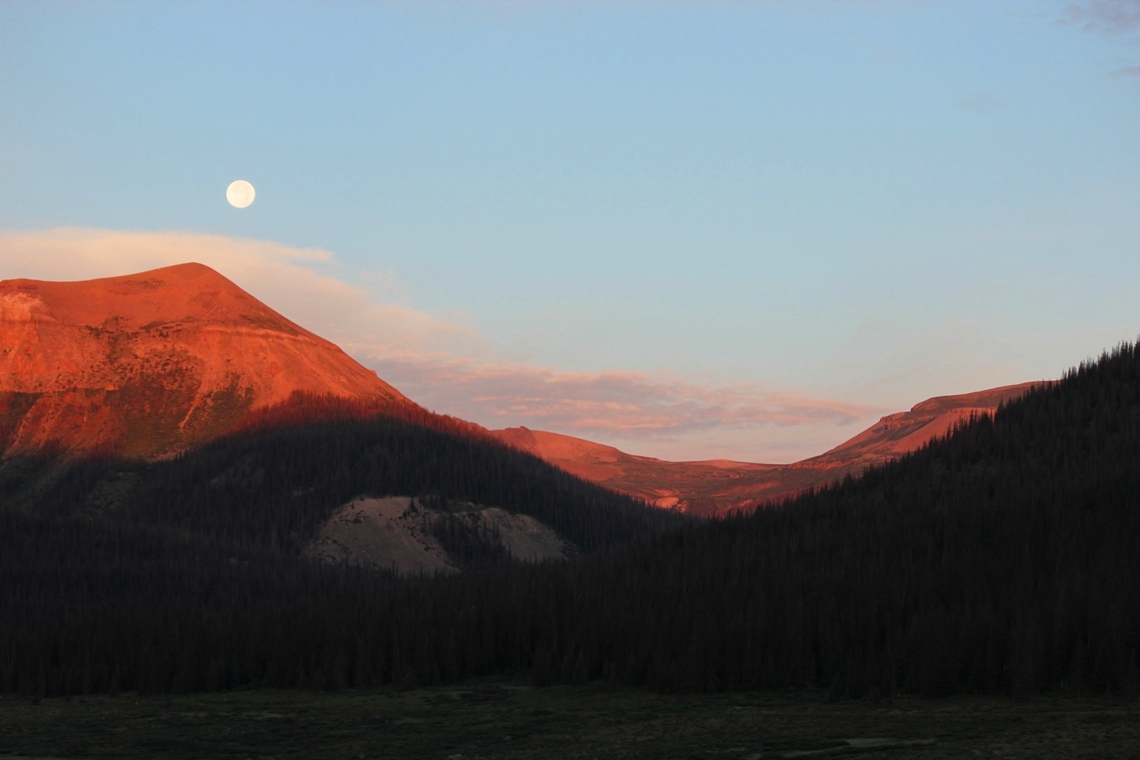
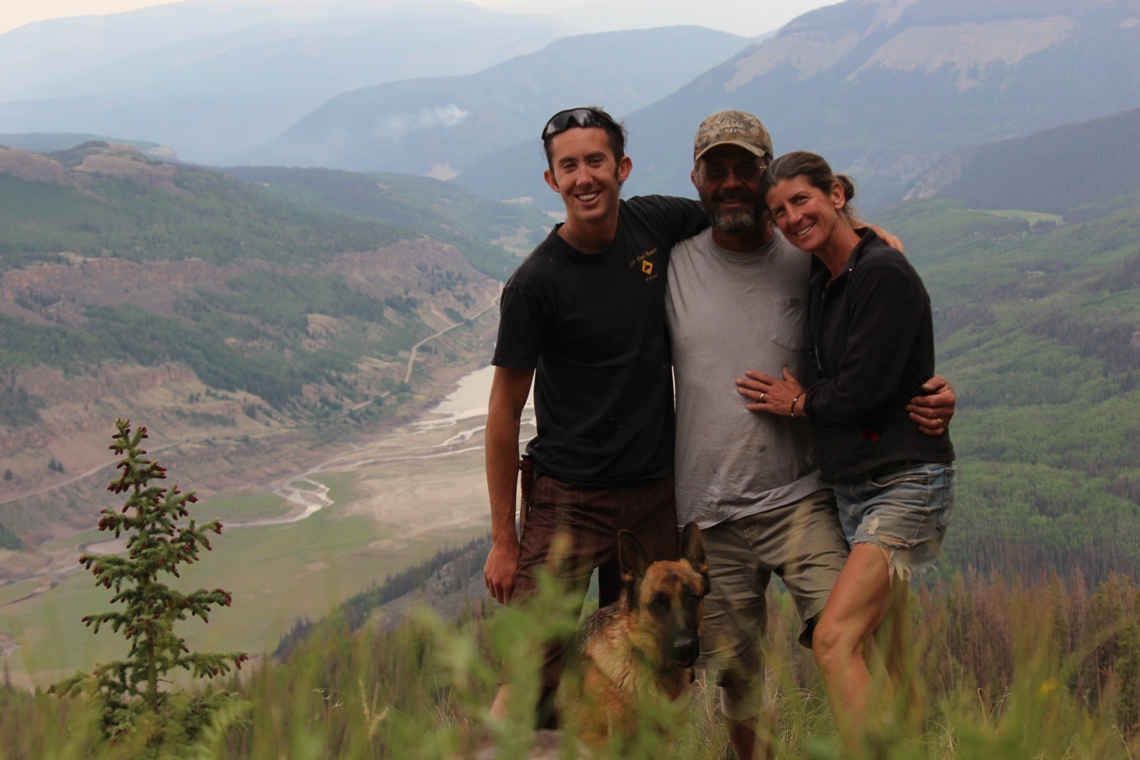
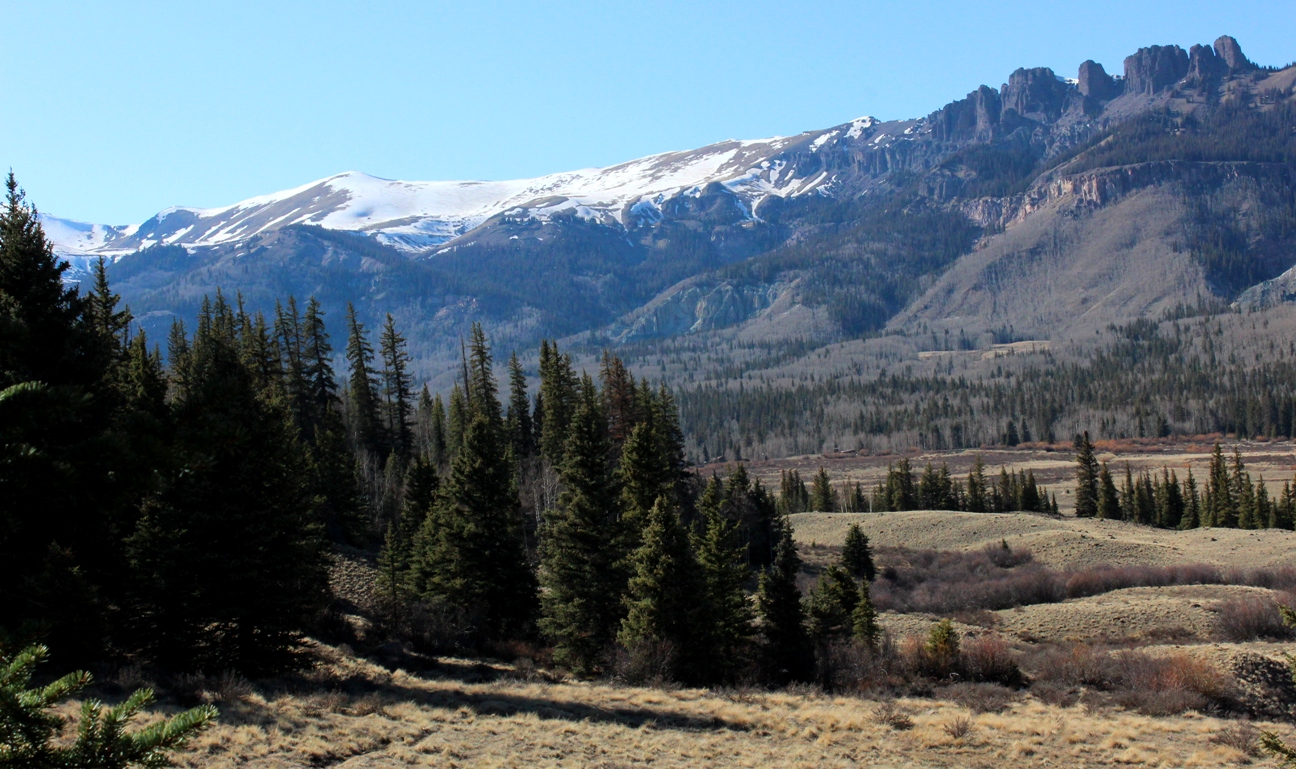
Get on with it. Dig. Sweat. Soak through. Cringe when you pause, rest against your shovel and watch another backpacker in the distance not figure out the way across the great Divide. The spine of the sleeping beast. I feel her roar, tilt back my head, and join in her wild howl. Maybe the backpacker wonders what scary beast lurks in this high country besides the usual fear of bears. It’s just me. Some crazy middle aged mountain mama out here digging ditch for a living.
~

~

~

~
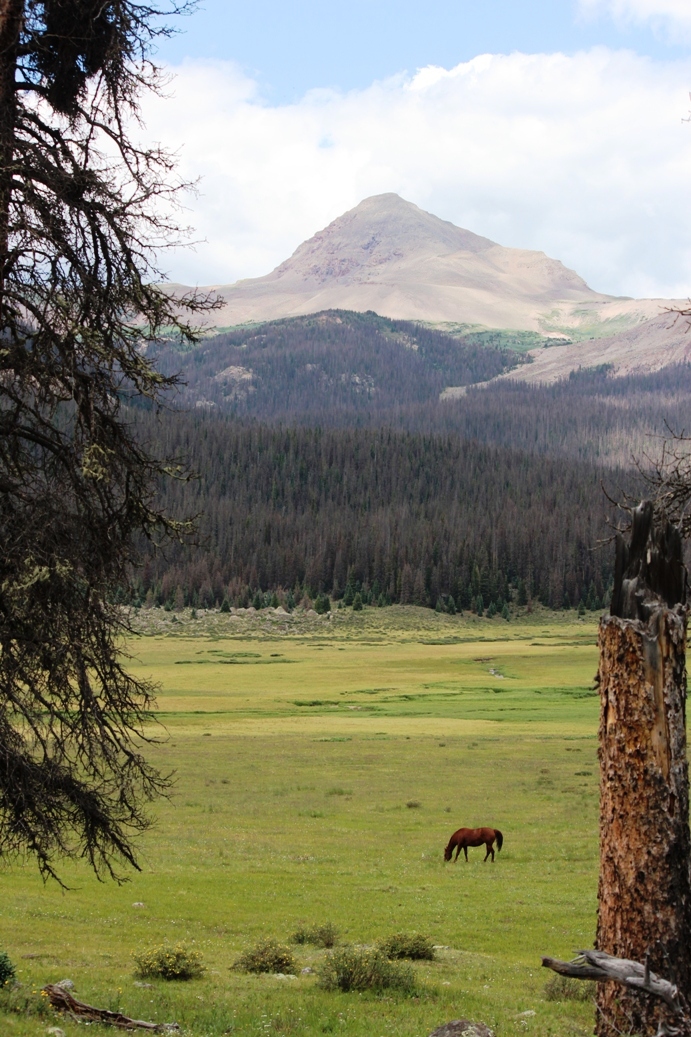
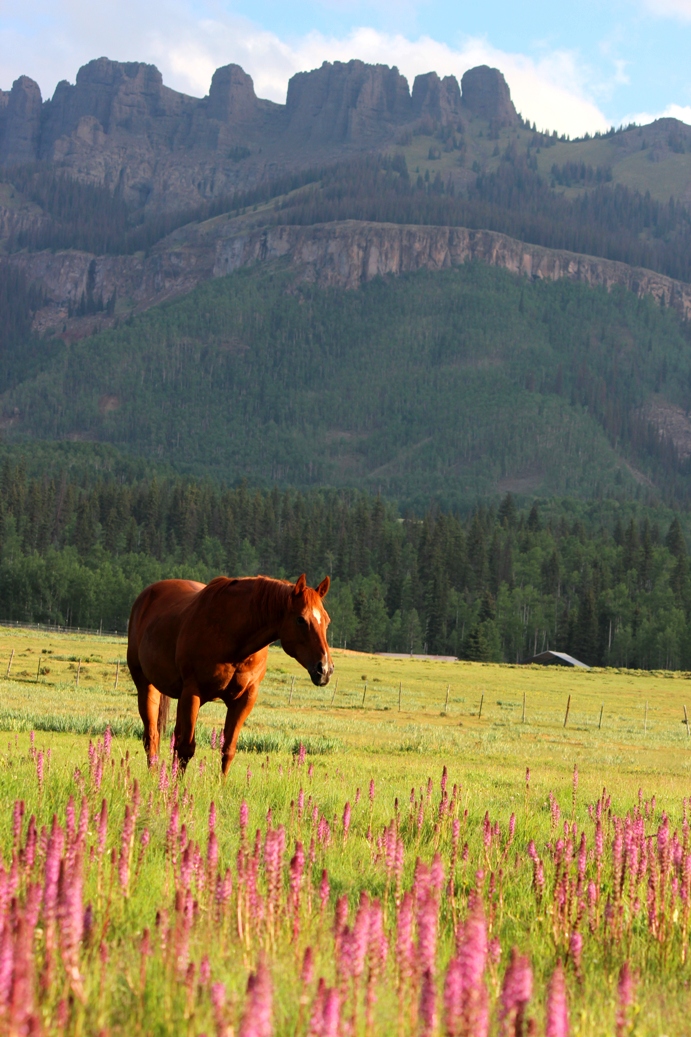
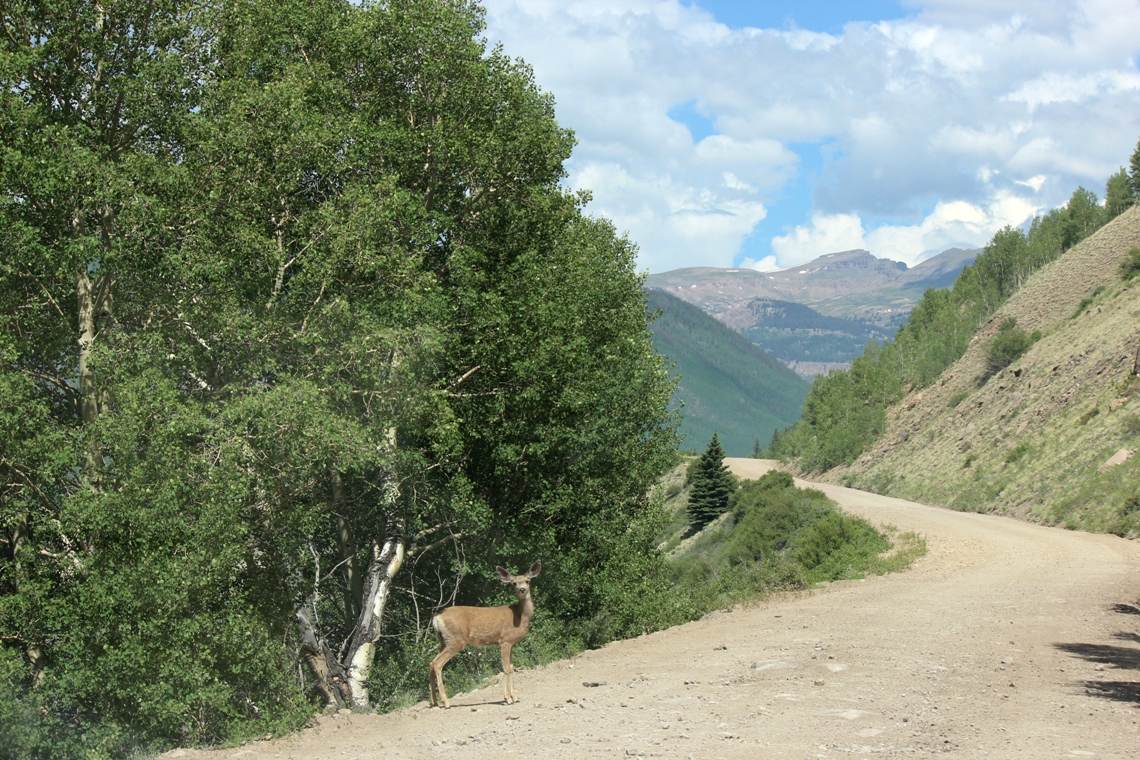
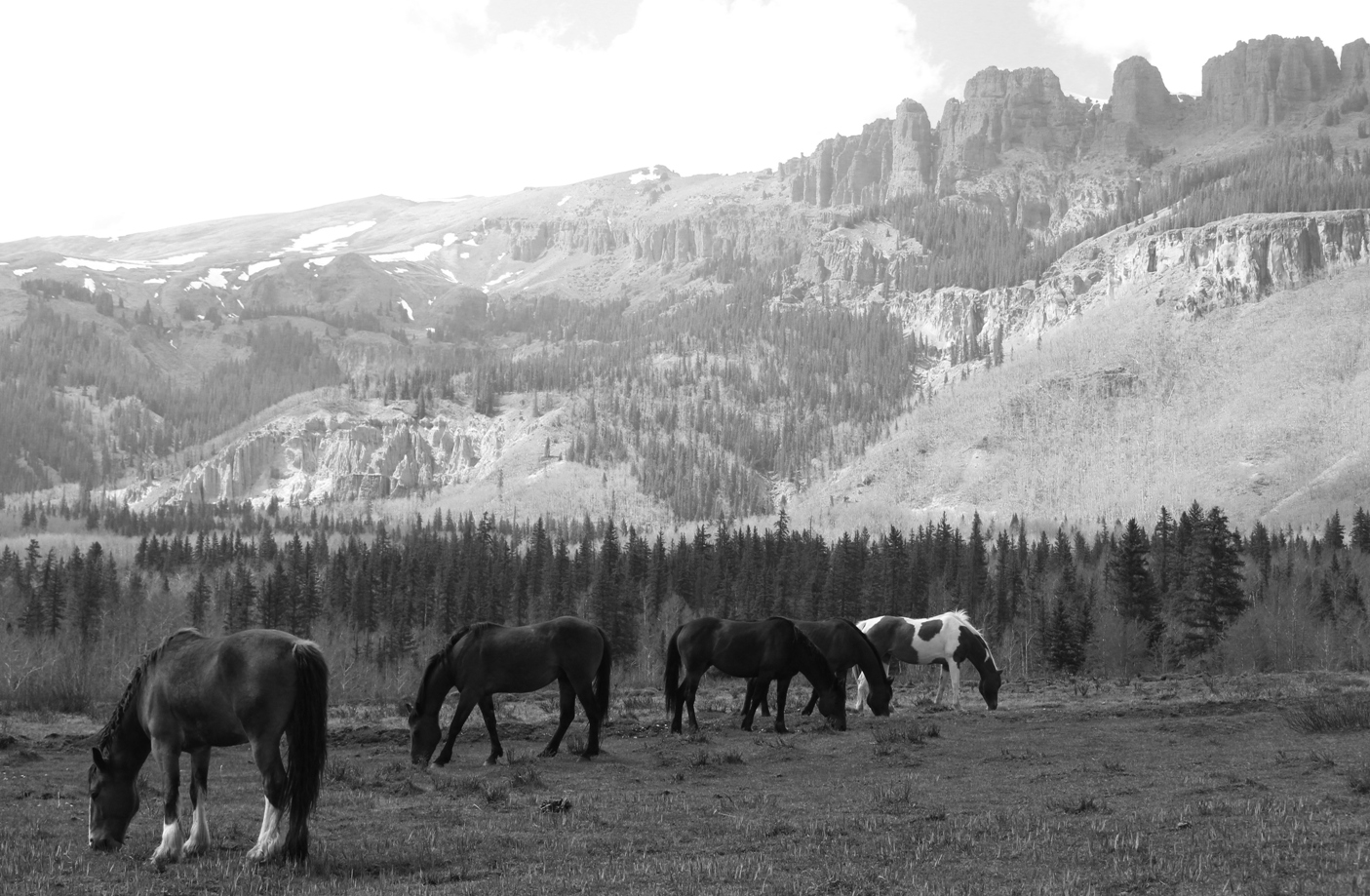
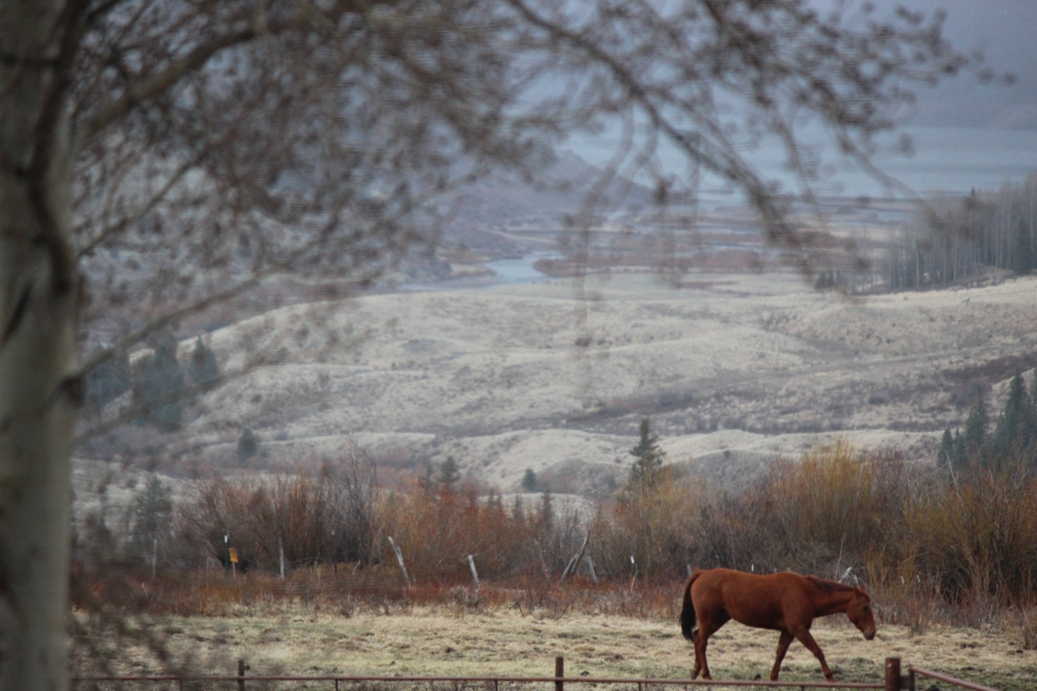
Wild life, changing seasons, strawberries beneath every step on the hill up from the horse pasture. In camp come does, bucks, bull moose, mama grouse, and Gunnar flushes out a few little ones that spook the horses as we lead them to the river for water.
Here’s life’s simple. It’s no secret, really. It’s about hard work, silence, the disturbance of airplanes, simple living, simple food. Everything tastes better when you’re tired.
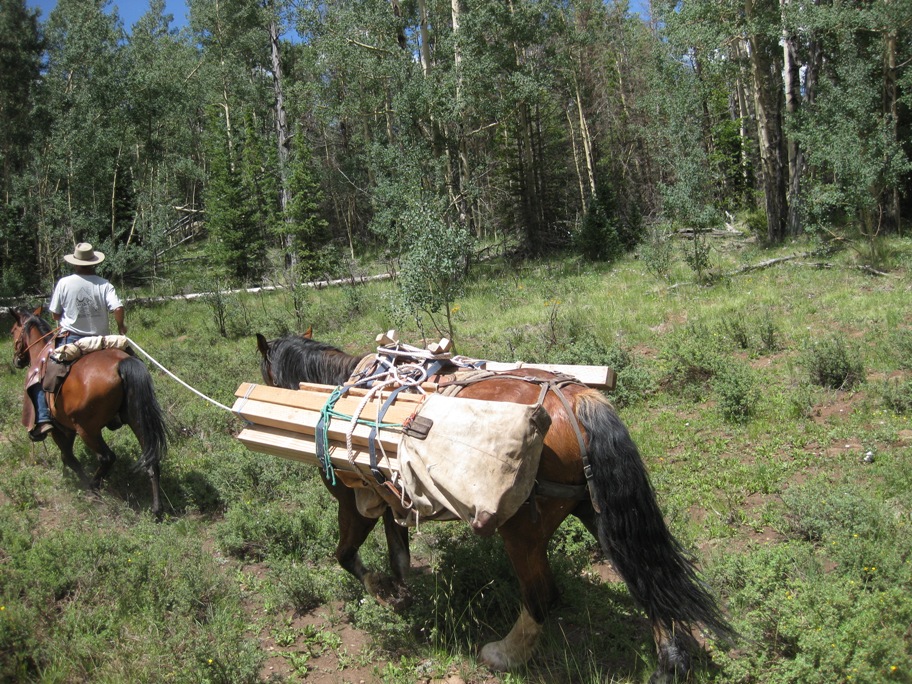
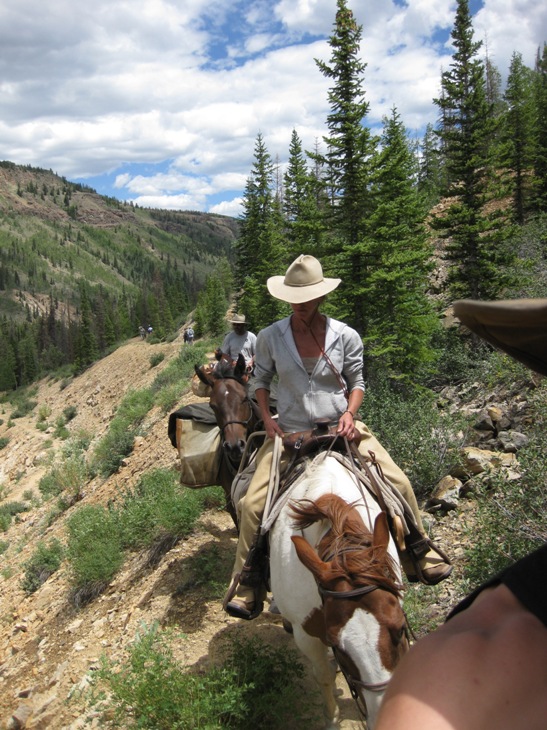
Dirt work, dirty work. This week Norman packs in two hundred pounds of lumber and we lay down our shovels, pick up our hammers and hand saws for two of our days here in the wilds during which time we reframe the diversion box that was sagging almost as bad as an old barn ready to fall over under the next load of snow.
~
~
~
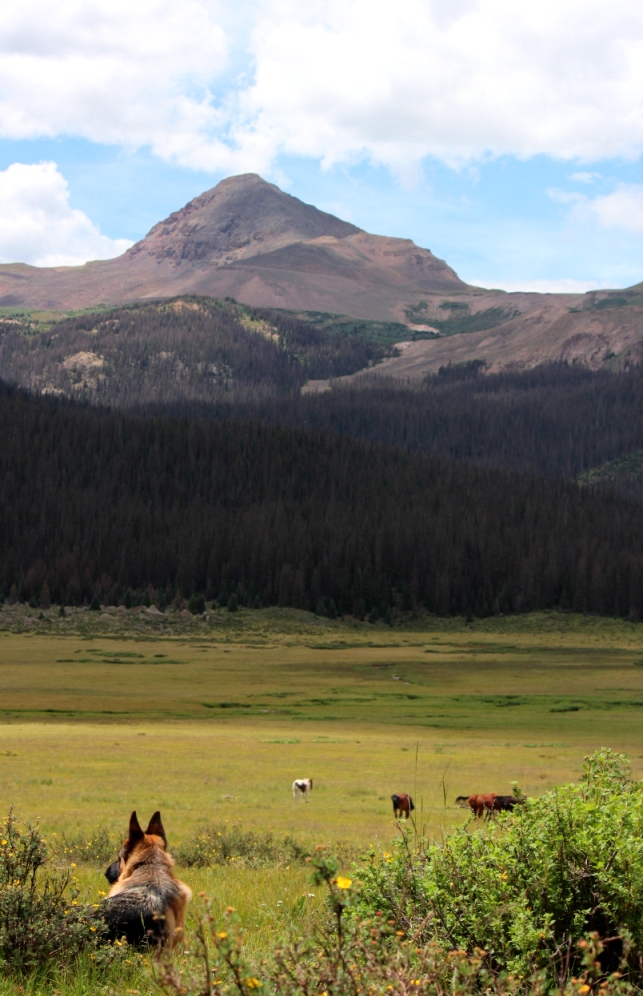
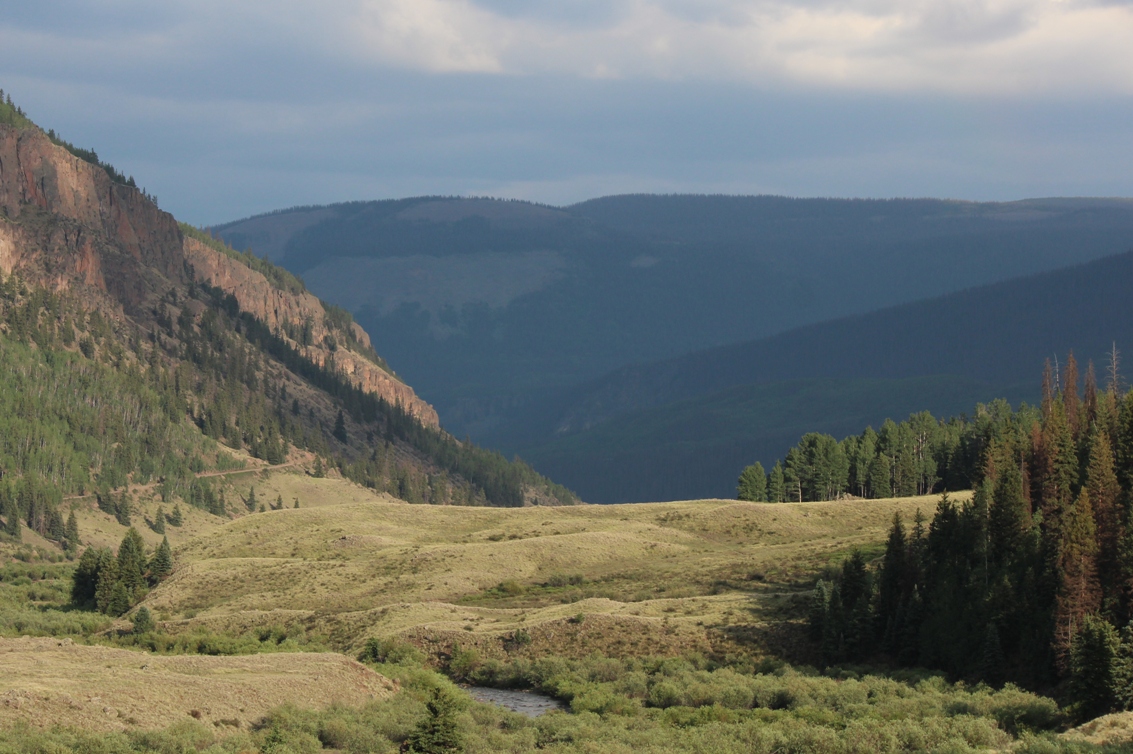
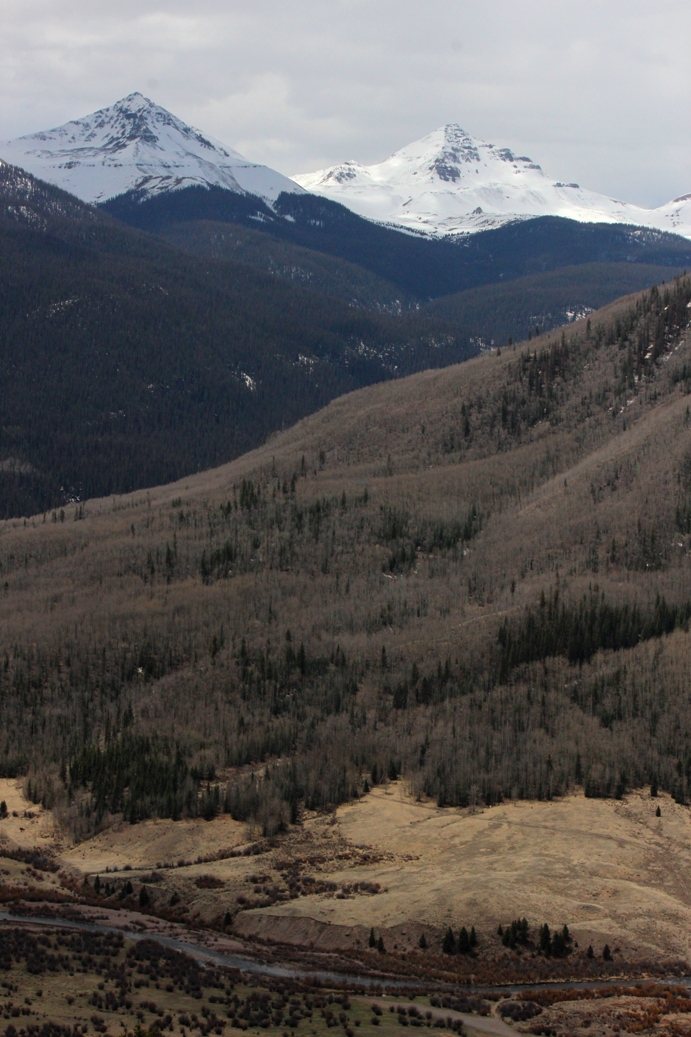
I’m out there and I want to get further. I fantasize about owning the valley. Maybe the whole mountain. I don’t want to see the bright white or fluorescent colored pin point prick of a backpacker a mile away. I want to be alone. With my boys, my critters, my hard work, the wind, the wilds. A part of the elements. Even the dirt. I’ll take it.
I never thought I needed money. Maybe I finally do. I want enough to buy a valley – both sides – so no one is in my view. And no one is near enough to hear, to roll their eyes as I run around howling like the wild woman I can be.
I don’t think it’s that I’m anti-social. I just like to be alone.
~
~
~
In praise of the chainsaw.
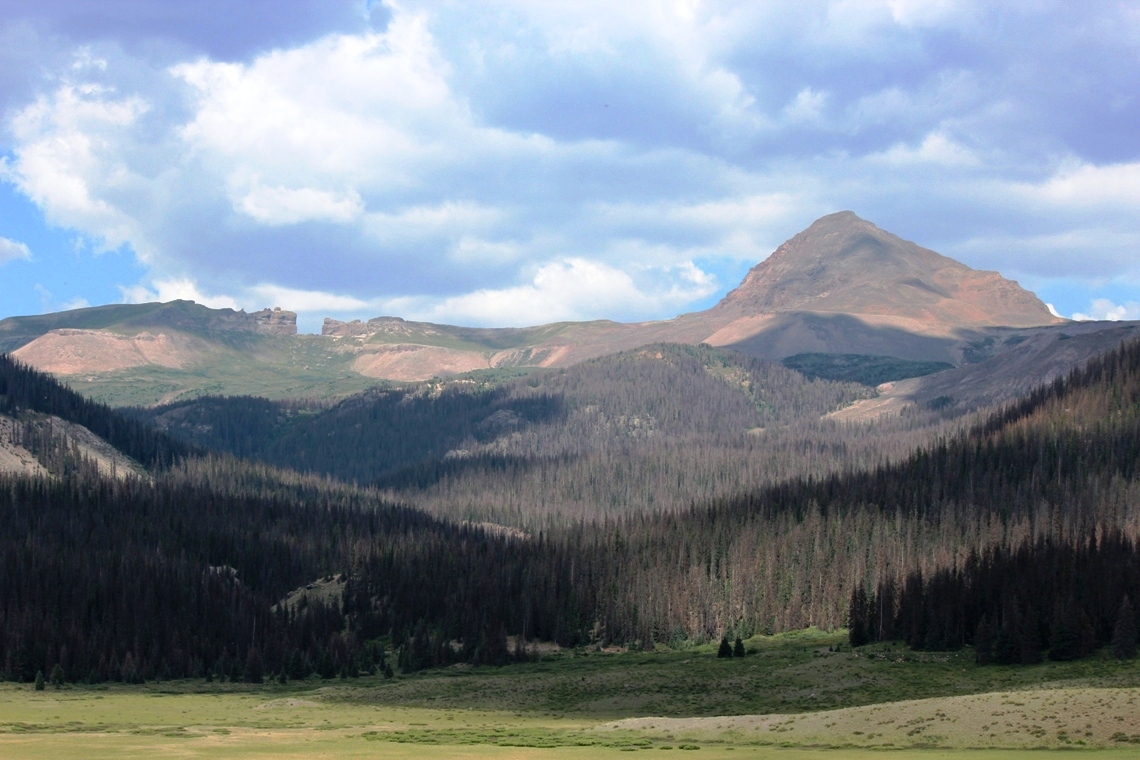
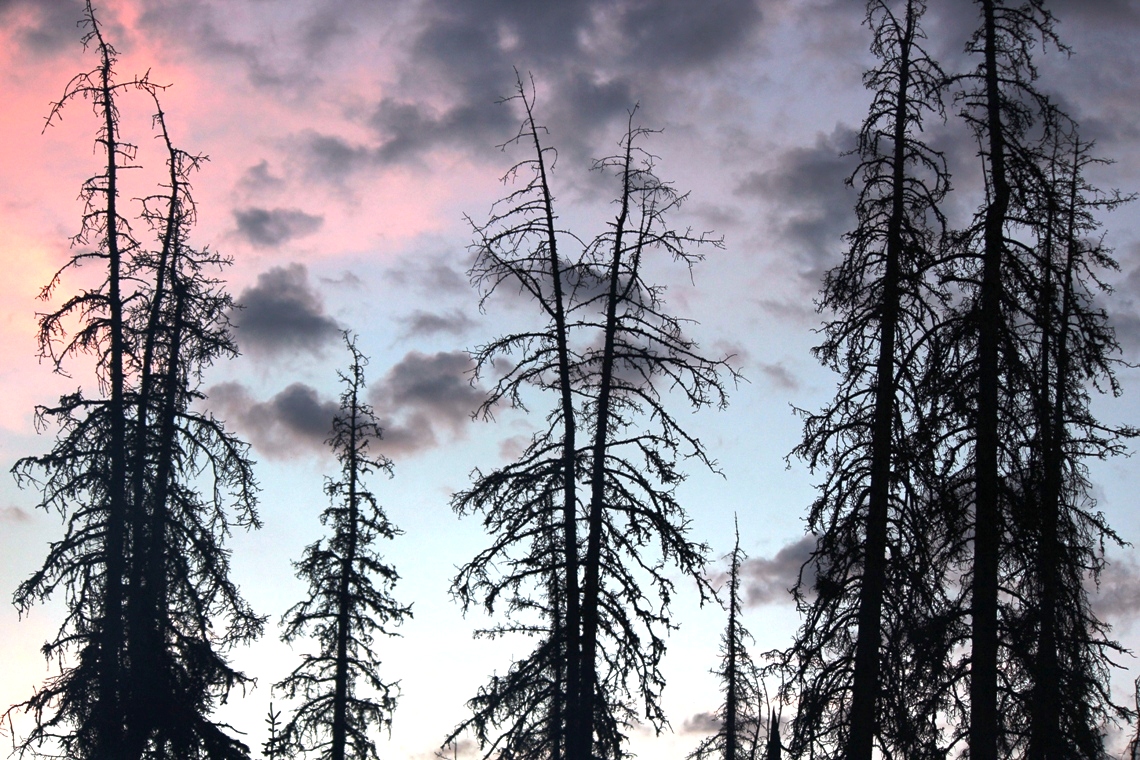
Sixty four. That’s the number of trees across the trail on the lower half mile of the North Fork of the Pine River. Most of those down are beetle killed. Trees dead, dried and snapped in the wind. A few are still green. Their needles now enough to catch the wind in this thinning forest.
Of course if the chainsaw were always allowed, like any motor or wheel, we’d be out of work in the Wilderness. Instead we have horses, shovels, the two person, cross cut saw where it’s all about rhythm. Part passion, exertion, sweat. And part Zen, losing your mind to the back and forth push and pull.
The trail is still open. In theory. No “closed” signs or reports tell you otherwise. Though crossing horseback might bring tears to your eyes and a few rips and tears to your horses’ legs trying to find a way over, around, through.
A part of the Divide system, it’s still not a popular section of trail. In peak season on a normal year, you might get three or four groups passing by on any given day, going up, going down. We know because we see. Our ditch crosses the base of the trail and every once in a while a curious backpacker or lost Forest Service Newbie takes the wrong turn and comes down the ditch instead of the trail. Water only flows down the ditch when “in priority.” Otherwise, the ditch is a dry channel. I guess I can see the possibility of someone mistaking it for one heck of a well used trail.
It’s not a popular section of the Wilderness. Our use numbers are low, elevation high. It’s far away, even to get to the trail head, away from any city, without cell phone service and internet access. This is the real back woods. The high country. Left for the hard core. Left.
Well, I haven’t even mentioned the chainsaw yet and this section was going to be about that.
Here’s the deal. The trees are dead and falling, and trails are being blocked far faster than a dandy group of young and ambitious Forest Service yes-men-and-women can get out there and clear them. The trails are becoming impassable. The point of the Wilderness, for man to come, travel lightly, enjoy the pristine and untrampled, and leave, is being lost. Man – or woman – and the few that do come this far – can barely get in there and get around. The place is a mess. It’s a disgrace in places, and getting worse fast.
So, here’s my proposal. Tell me what you think about this. As chainsaws are about 400% faster than my dear cross cut saw, what if, for say, one week at the beginning of the season, early season, you know, when no one is really out and about up here yet for the year, we let them (or better yet, they let us, if you really want this to be about efficiency, but I know it’s still about more, like rules, regulations, control and bureaucracy…) take in chainsaws for just a few days and clear the trails, open up the access, clean the place up, allow our minimal use to continue and the tradition and dedication that made these trails possible in the first place to carry on in a respectful manner, to land and man, wild and curious.
~

~
Now we’re back home. Guests have left early so there is an empty cabin with running hot water. Showers feel especially good when it’s been five days and you’ve been out there really working. So does bed.
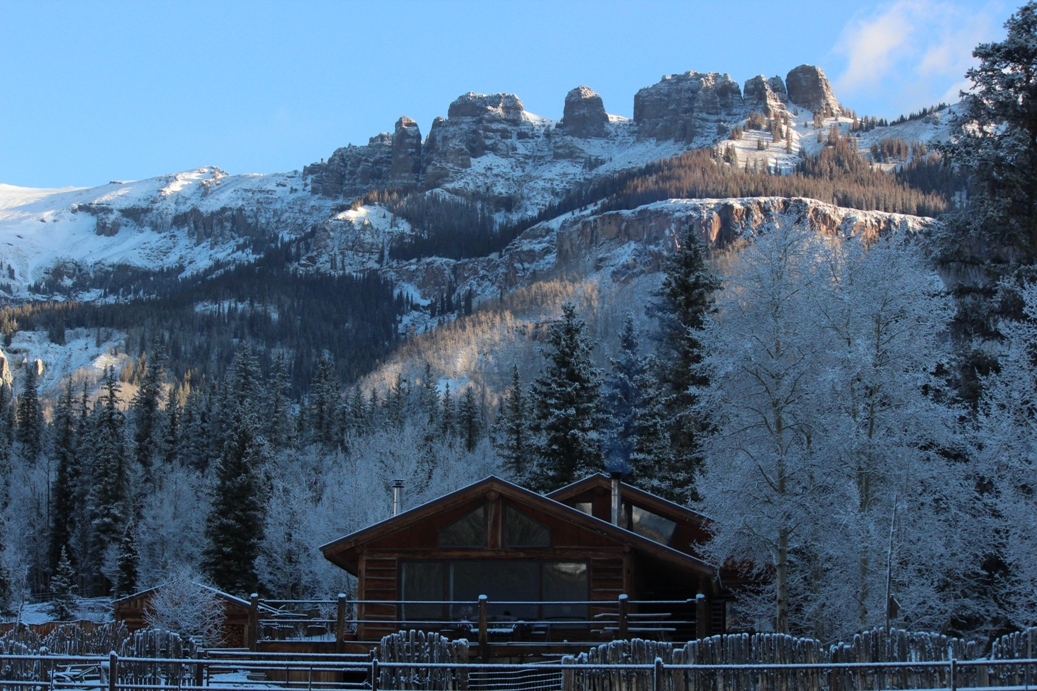
Home is still simple. For us now, a one room cabin, still propped up on blocks of firewood until we build something else, a little bigger, down here some day. For now, we have bunk beds. Forrest on the top; Bob and I down below. In the middle of the night a cat forgets we’re back and jumps from the top bunk and lands on my face. I awake to a bloody nose and can’t find a flashlight to find my way to a little water in the jug on the counter to wipe myself clean. Sometimes a little too cozy.
Though earlier I visited the outhouse in the dark of night with the door open to the sound of the river below and a spectacular show of distance lightning in the sky above. Beat that.
Simple pleasures. You think it sounds like fun, but do you really want to be here? For how long? Are you ready to give up your bed, toilet and kitchen sink, medical insurance, job security, regular payments towards your debt which has allowed you a bigger better life? Trade that for bugs and cold and wet and dirt and sore muscles and regular cuts and bruises and a bloody nose at best? Is it not enough to come here one week out of every year and dream about if for fifty others?
You may have more comforts and luxuries and fancy foods and nights on the town and you won’t get me to want to trade places.
I’ll take my dirty life.
~

~
~

~



















 Gin Getz