How do you define Success?

~

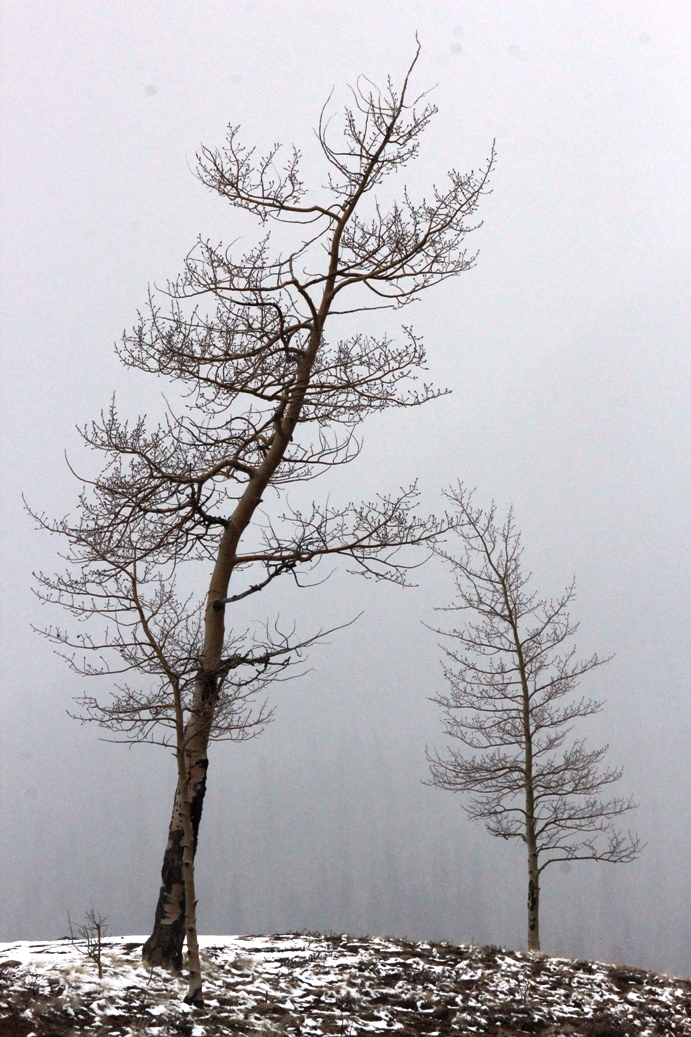
aspen in spring snow

~

For some really strange reason I have this inner calling to open my mouth and speak up for the wilds and wildlife and the mountains around me. Maybe it’s that David and Goliath thing. At times, it gets me in trouble and doesn’t always get me friends, but I can’t help myself, and feel morally obliged. I have to speak up  – maybe the only contrary voice out there – one little woman taking on a bunch of big boys.

Few of you will read this.  Fewer still will care.  And a few might even get a little riled up (safe to say, based on personal biases and connections held onto tightly).  Good.  Go ahead.  The truth can be disturbing…. Time to open your eyes, and your hearts, and look a little deeper, my friends.

Most of us believe what we want to believe.  I guess it’s part of human survival. From assumptions to core beliefs. And changing our minds is as rare as changing religion. I am not asking you to change your mind.  Only open it.

This is about the Canadian Lynx relocated to southern Colorado, and those that have worked to create a successful program… at what cost and for whom?  Now they have launched a review and I think we can safely guess what they will call their outcome.  Before you too are convinced of their self proclaimed success, please read on.

~

Success!

For whom, and at what expense?

~

I have nothing to lose in speaking up. Nothing riding on this but care and concern for those with whom I share this mountain and the wilds.  I also have nothing to gain.  No money, no reputation, no ego, nothing to prove to the public.

It’s been about ten years since I first voiced my concerns.  I imagine unrelated to my little voice from up on this big mountain, not too long after that, they left the remaining lynx alone.  Rumor had it the program ran out of funding, and public opinion was getting wise and getting mad.  They simply called their program “a success,” and left the mountain with their tail between their legs.  Along the way, they quietly removed their sign depicting the cute little lynx at the beginning of the road where it changes from pavement to dirt which was intended, I suppose, as a warning to people driving by. After all the trapping, touching and handling in the relocation and continued monitoring even after release, the lynx were known to walk towards humans up here, not run away.  That’s how most folks around these parts learned to identify the lynx, not to be confused with the wise and native bobcat.  Well, that and the darned collars.

I live 18 miles up that road, just beyond where they release the lynx that had been trapped, sedated, relocated, and “rehabbed” to adjust to our altitude, they say.   Not a lot of other people live here, especially in winter.  I think there’s one family about six miles away as the crow flies; otherwise, the nearest home is 18 miles away… back down by that sign. The lynx do live around me.  A few that made it.  I see their tracks, and keep my mouth shut and wish they would just hide so “they” wouldn’t come bother them again. But here “they” are, back at it.

And so, I am too. Voicing my concerns about a program that may have been born with the best of intentions. That was many moons (millions of dollars, and hundreds of lives) ago.   Now, if we dare to look deeply, we are forced to question:  who is this program really for, and who truly stands to gain from this process?

~

The program I am referring to is the relocation of Canadian Lynx to southern Colorado, an area that at best may have been the southernmost range recorded for this beautiful animal currently designated as a “threatened species” but often referred to incorrectly as “endangered.” I’ve even hear the species referred to as the Colorado Lynx, which I suppose would make this a new species all together, or simply a term of endearment for those wonderful creatures that were taken from their native Canada and actually survived here.

Now they’re doing a review.  Proving their success.  Yeah!  After how much time and money and losses, there are Canada lynx alive and well in Colorado!

Yet, we must not be fooled by the “facts” we are provided with, nor ruled solely on our emotions for cheering on what we want to be: the success of this wild animal.  Whose success are we really looking at?

What we have here is an ethical dilemma.  We’re playing a game, using a beautiful innocent creature as the pawn and one of the most unpopulated parts of the country as the playing ground. Who really are the players involved?  Though we all become involved as our heart strings are toyed with too…

~

Oddly enough, the “critical habit” for the Canadian Lynx in the Lower 48, as reported by US Fish and Wildlife, does not even go as far south as Colorado, not to mention southern Colorado, but includes Maine, Minnesota, Washington, Wyoming and Montana.

No matter. Here we are in the day of climate change and we’re thinking this is the thing to do:  let’s take an animal native to the eastern and western sides of Canada, and drop them off a thousand or two miles south in the middle of the mountains, and see what happens.

This week we have snow.  What about the rest of the winter? What about, as even “they“ have called it, the new normal?  We jokingly call this part of the southern San Juans The Banana Belt.  Compare us to northern BC, Alaska and Quebec where the animals originated, I’d say that’s not too far off.  No, we have no bananas. But here at the head of the Rio Grande and the end of the Four Corners region, we have strong sun and wonderful warm days in winter and high altitude unlike anything seen up north…

I may not be any wildlife “specialist” but it does not take such degrees to grant common sense.  It takes eyes, mind, and heart.  I’m here, and I see.  I’m not reporting from behind a desk from some big city far away.  I’m talking about my back yard.  No, I’m not the slick professional putting out the press releases to stir public interest and to support my cause.  I’m just a small woman with a big heart who is crying out to try to get some answers, open some eyes, and protect the wilds I’m lucky (or crazy) enough to live in.

~

And so, they came here. First because there was no public interference. Hinsdale and Mineral Counties are each about 96% public lands.  That means, of course, only 4% private, and so, not a lot of people, period. Those folks up north were not only more plentiful, but wise to potential restrictions like road closures such a program could bring, and would not cooperate.

Recently, I read a new twist to this theory. Their story changed.  Now they say they researched and chose this location because they found so many snowshoe hare around here it seemed like a great place to give it a try.  I’ve also heard they relocated snowshoe hare here too, so I don’t know what or who to believe any more.

I do know this. My aunt scoffed when years ago I first told her enthusiastically they were bringing the Canadian Lynx to Colorado.  She’s from upstate New York.  “They tried that here too,” she scowled, “but the lynx all left.”

Ours tried to leave too. But this time, the powers that be chose a location so far away, making it back home would be close to impossible. They found “our” lynx in Kansas, and I don’t remember where else.  Many died trying, on the side of the road.  Though more of them simply starved.

~

Proof that if you put enough money into a program, have enough ego to keep at it at all costs, and are willing to risk enough lives, you can make anything work.

~

Now, I’m just a middle aged lady who has called this mountain home for over a dozen years. Nothing fancy; nothing powerful. In fact, kind of small and usually pretty darned quiet. I’m a homebody and would rather walk or ride a horse than get in or on anything motorized. I don’t fish or hunt and I can’t even get myself to kill a rabbit. I’ve lived up here far beyond where a lady “should” with my husband, my dog, horses, cats, chickens and a wild goose that came to us last spring and hasn’t left.  We raised our son here and at 21, he now is wintering at the South Pole station – testament, I suppose, to how remote, removed and cold one assumes it can be here. But we’re comfortable.  We live simply and eek out a living between running a seasonal guest ranch, writing and taking on odd jobs.  I’m not here to get rich. I’m here just to be here. The wilds, wildlife and Wilderness (note the capital W) mean the world to me after my family and my own animals.

This is my home, and after all these years, and all the battles I have taken on to remain here, I have an incredibly intimate connection with and fierce attachment to the land.  And for that land, I have a moral obligation.  For that land, I have to speak up and do what I can to protect the land, wilds and wildlife.

~

Playing God

~

As humans, we have a tendency to (1) want to care for those we feel need care; (2) want to prove we can do it – whatever it is – at whatever cost; (3) never want to admit we are wrong; and (4) want to control our environment rather than simply be in it.

Combine these all together, and you have the perfect formula for this program.

~

In spite of waning public opinion and growing concerns with sightings of these normally elusive animals on  roads and/or seemingly starving, at some point, the powers that be called their own program “a success.”  I recall reading that “the success” was based on this:  there were more cats born that year than cats that died.  Oh my god.  Do you know how many kittens are in a litter?  Now do the math.  And see if you can figure this out:  how many deaths then were they thus responsible for each year?

And how many millions of dollars were poured into this program to support these efforts… and by whom?

How many millions were spent trapping live animals in Canada, and (we must hope) caring for them in transit, rehab and relocating in to Colorado. On top of that, how many millions more were spent on salaries and snowmobiles and flights, and fossil fuels used to track from the air and trap in the snow?

The only “facts” and “figures” I can find are those provided by the very same people operating this program.

How do we find the truth about these beautiful animals with which we’ve played god, uprooting them from their native lands and turning them out to see what would happen here?

With all the monies poured into this program on behalf of one species, did anyone consider the affect upon other species who now have to co-exist in these changing times, in this changing climate, such as the bobcat, the coyote, and the fox?  What impact would the “success” of the lynx have them?

I do care. About them all.

~

Keep trying… keep spending… money and life… sooner or later, it’s going to work!

~

Sure, some will make it.  Look at the moose.  They were never here before and were dropped off and for whatever crazy unknown reason, they are currently thriving. The lynx is not as lucky, but he’s still around.

Before you support or negate this program, I would suggest you try to find the facts.  What are the numbers?  The real numbers – not those readily provided by the program.  How many were released? How many died? How much money was spent?  Where did the money come from, and where did it go?

And while you’re at it, ask them this:  why?

~

Success, they have called it. I suppose after all the monies and lives expended, they have to. And who has thought to question? We are all guilty of wanting this to work so badly we were willing to forgo the facts.  Now we have to ask: success for whom, and at what expense?
Digging up dirt

~

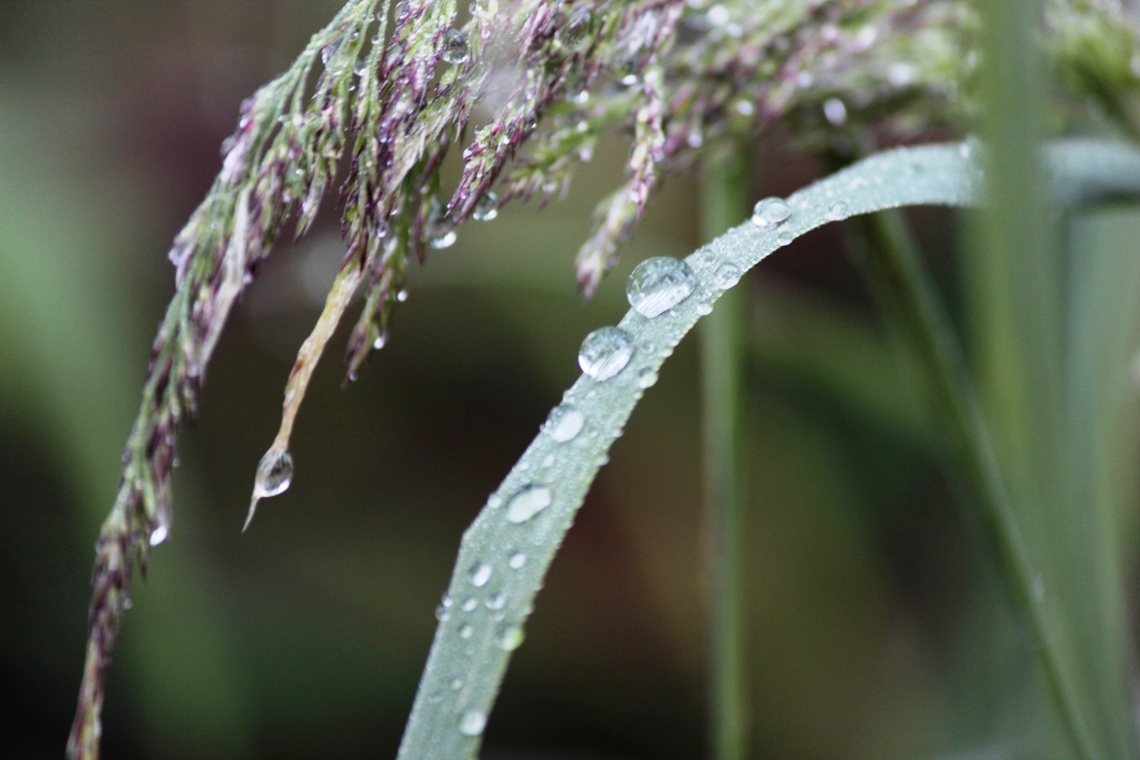
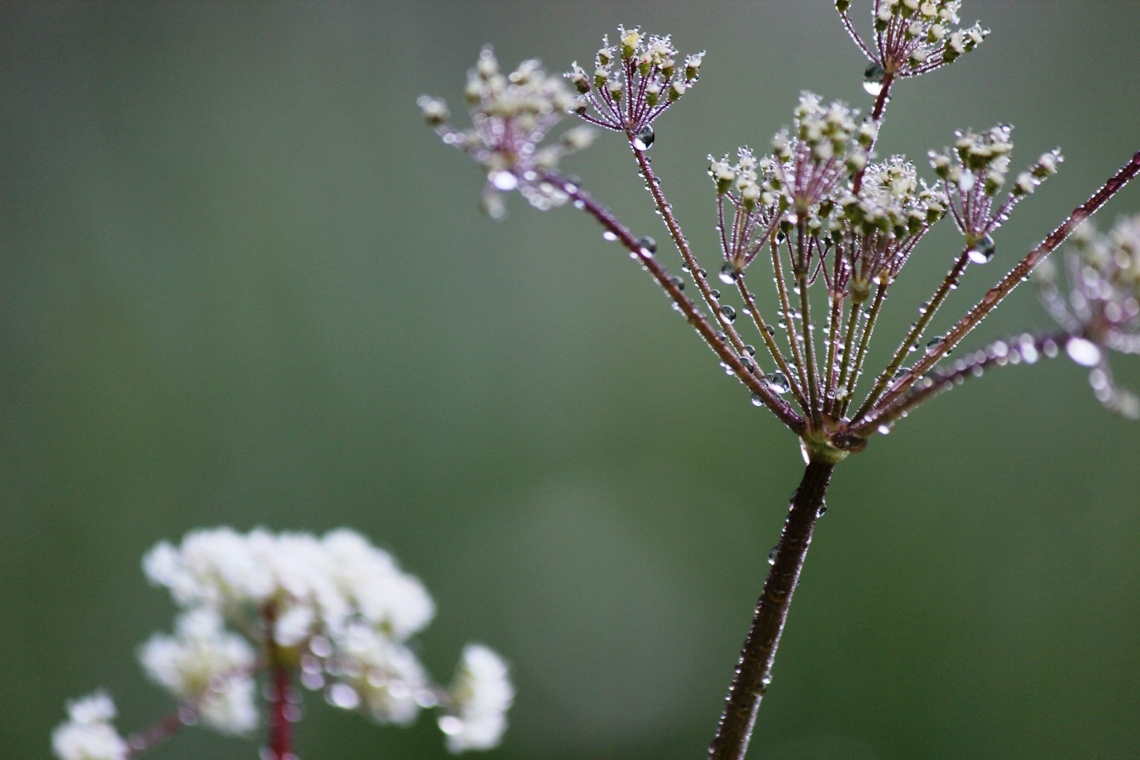
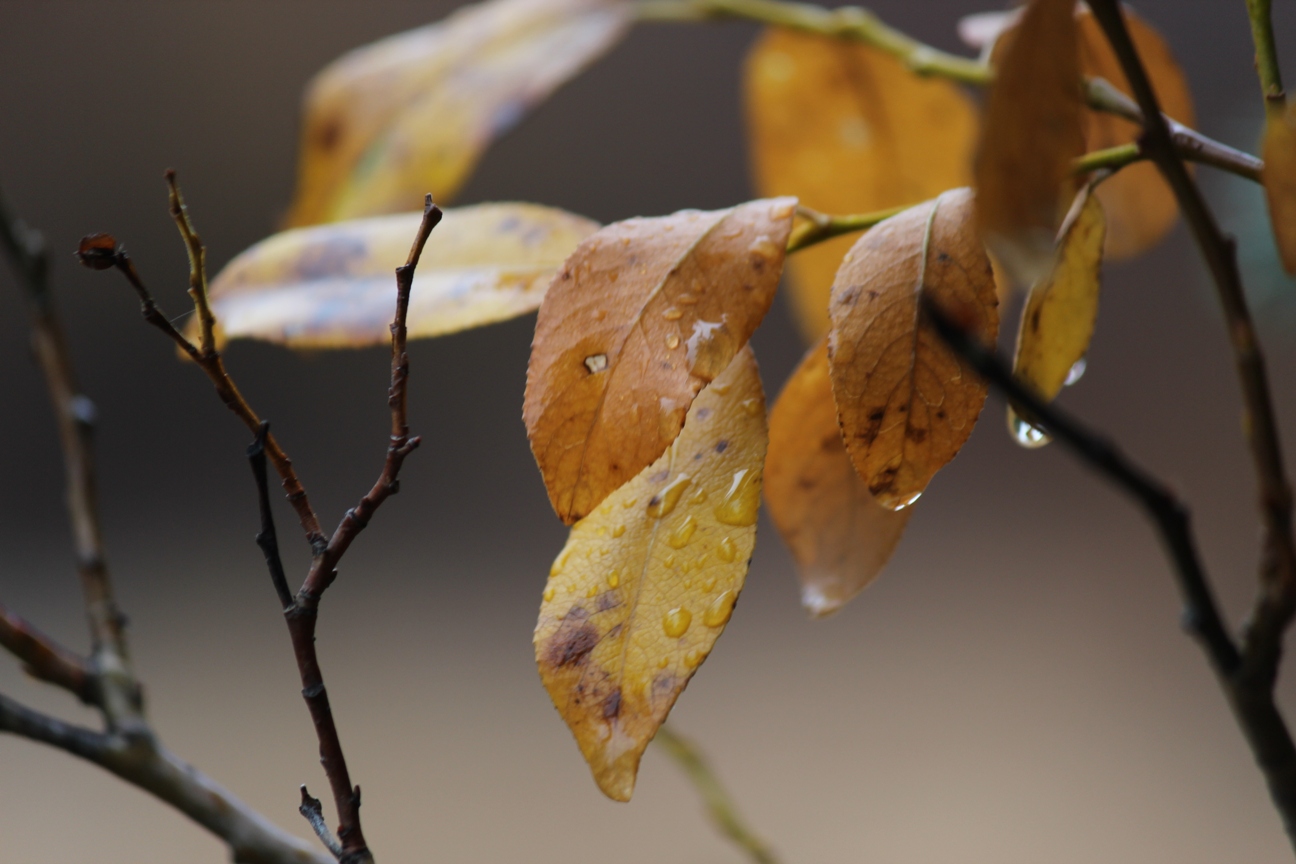
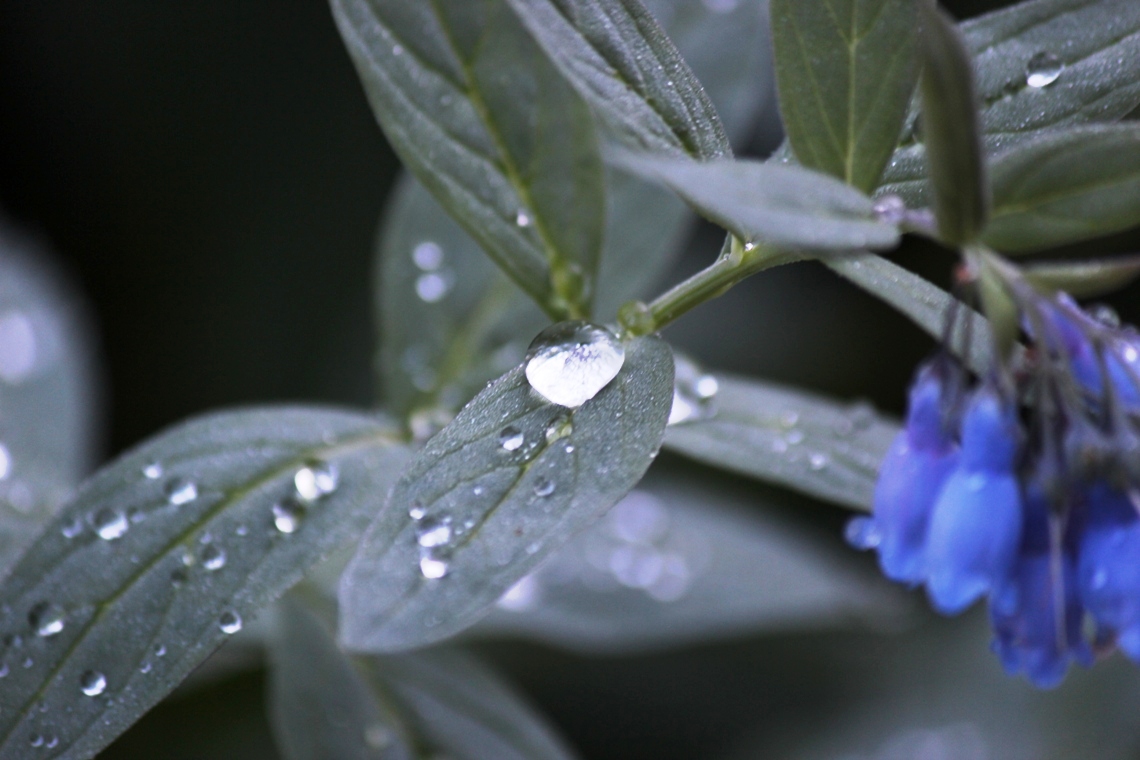
rain on leaf


~

rain on grass

~

Ditch Diaries.

Year Seven.

Trip One.

~

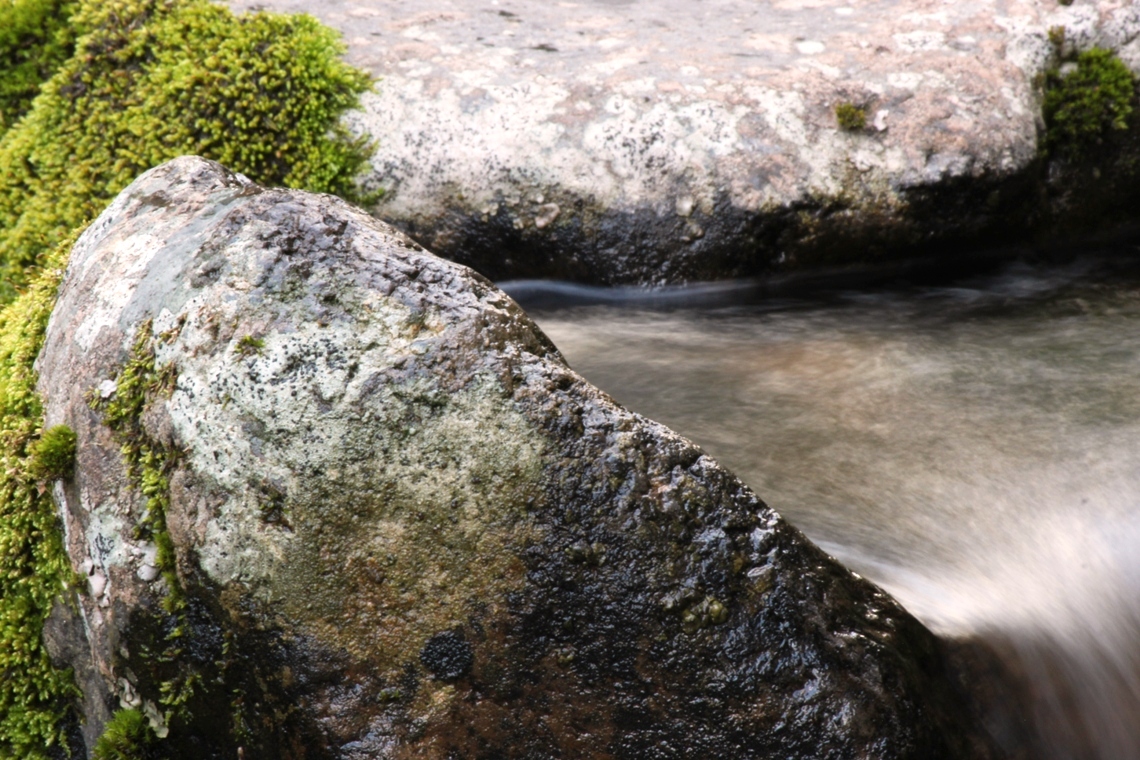
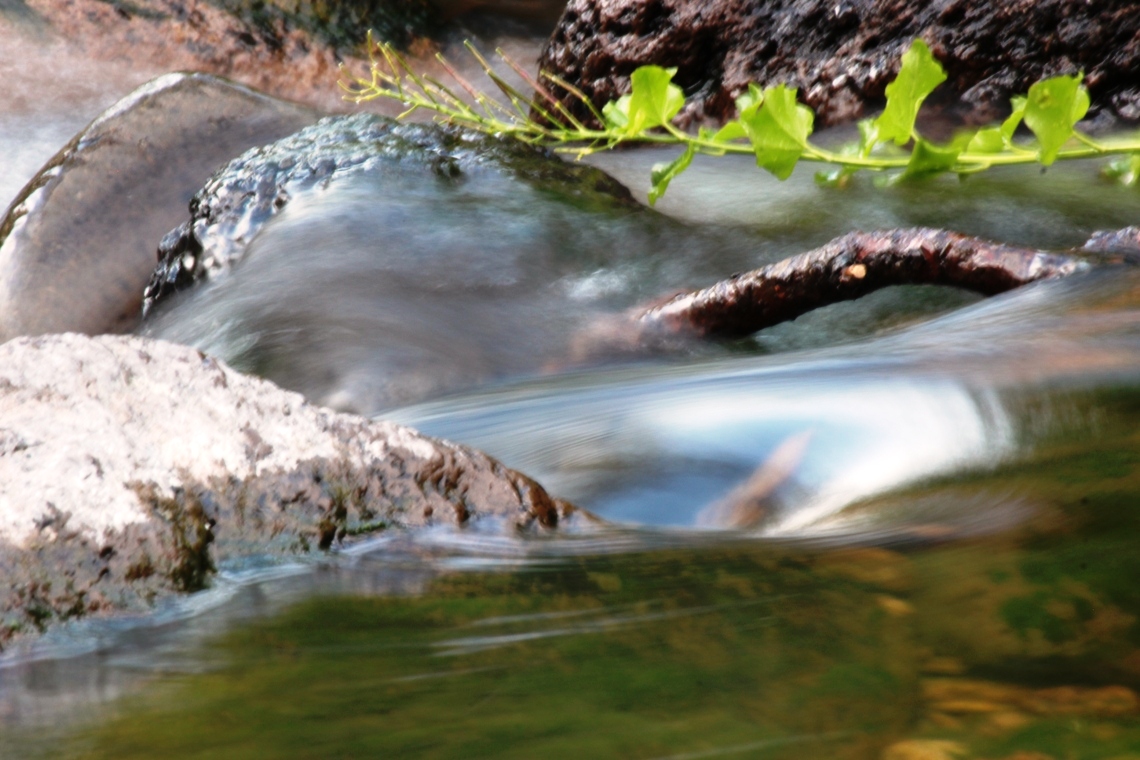
water running over rocks


~

a part of the ditch

~

There is nothing like this to clear the air, erase the past, tire the body until the mind finally stops thinking.

Hard work. Good, hard, dirty work, in the purest, simple sense.

Digging ditch.

Packing into the Wilderness by horse.  Just the three of us, six horses, and one bold dog to keep us all in line.  Shoveling, picking, dragging, slipping, saddling up, hauling, heaving, heavy breathing and plenty of dirt, sweat and soaking from the rain.  Sleeping an inch off the ground, getting comfortable with creepy, crawling, flying things, and tossing cleanliness out the window, if we had one.

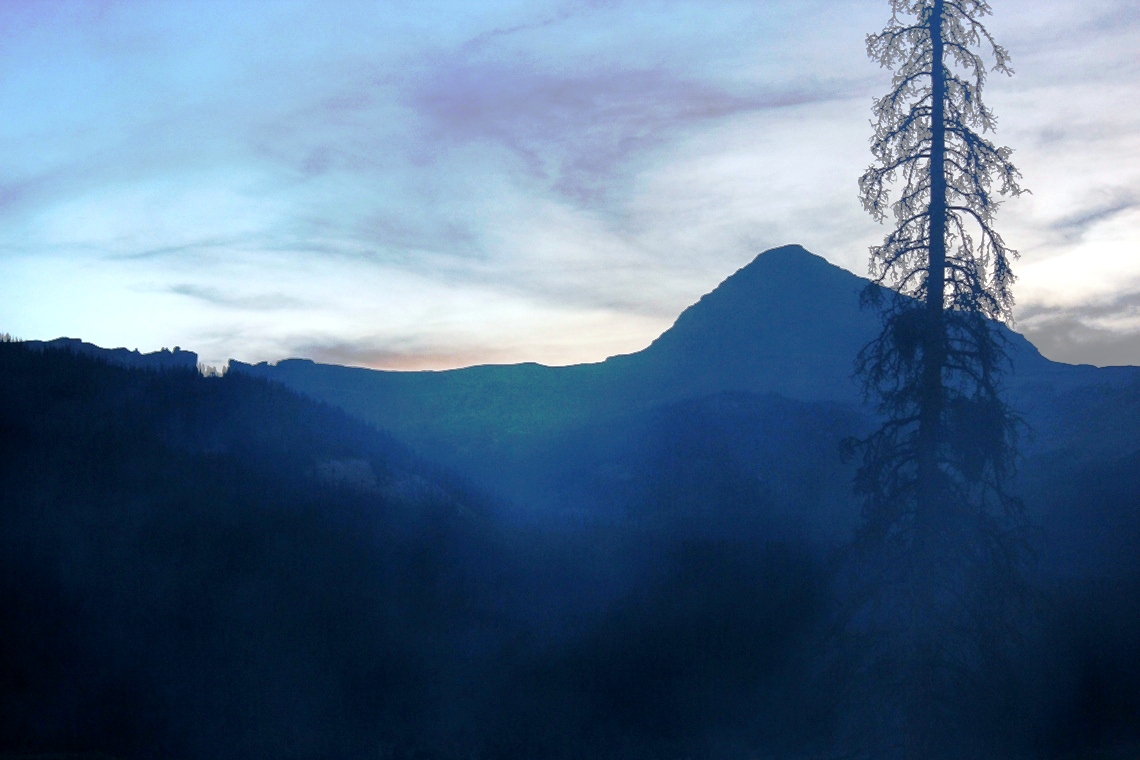
Lo and behold, there before us as we sit with our tin cups filled with cheap box wine and plates hot on our lap.  The Rio Grande Pyramid and Window before us.

~

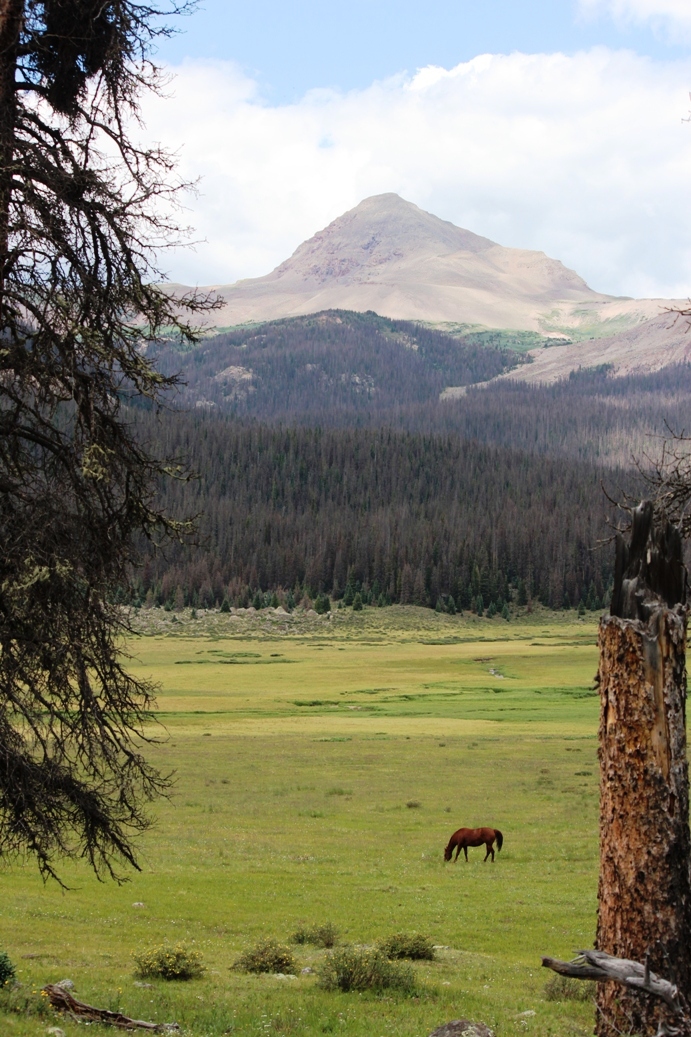
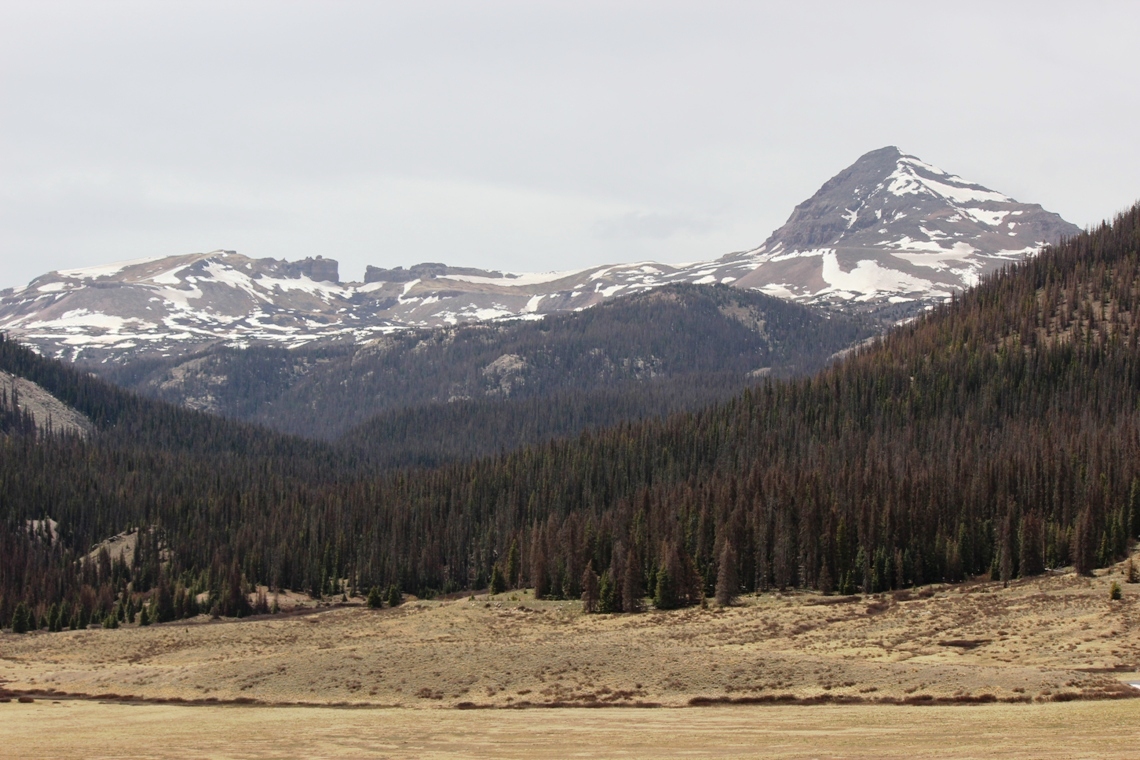
rio grande pyramid and window


~

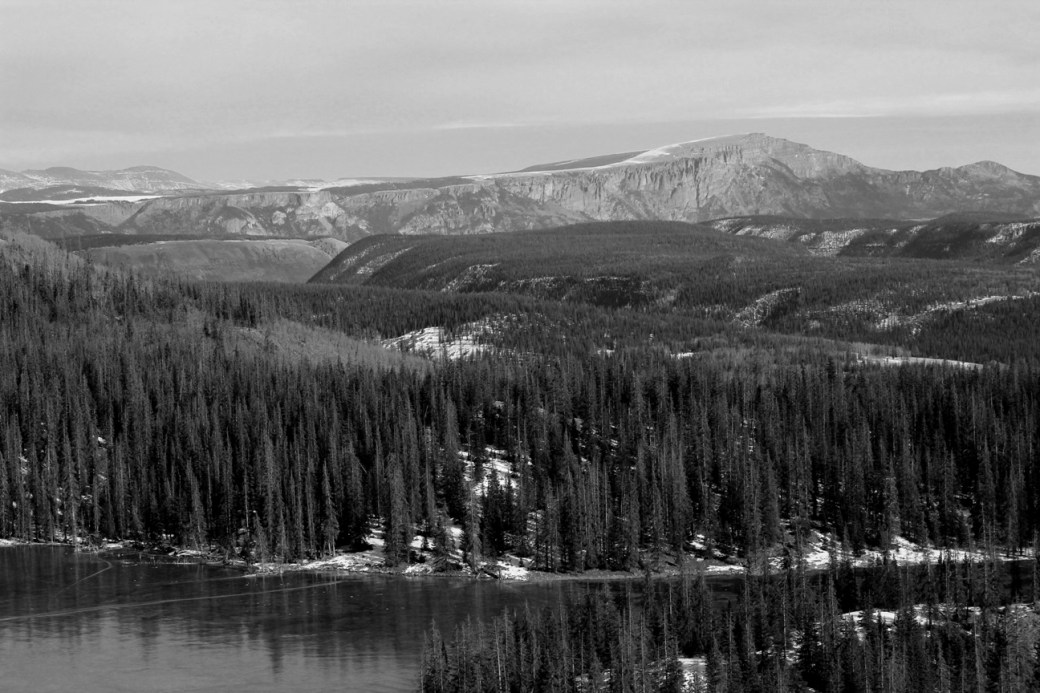
view from camp

~

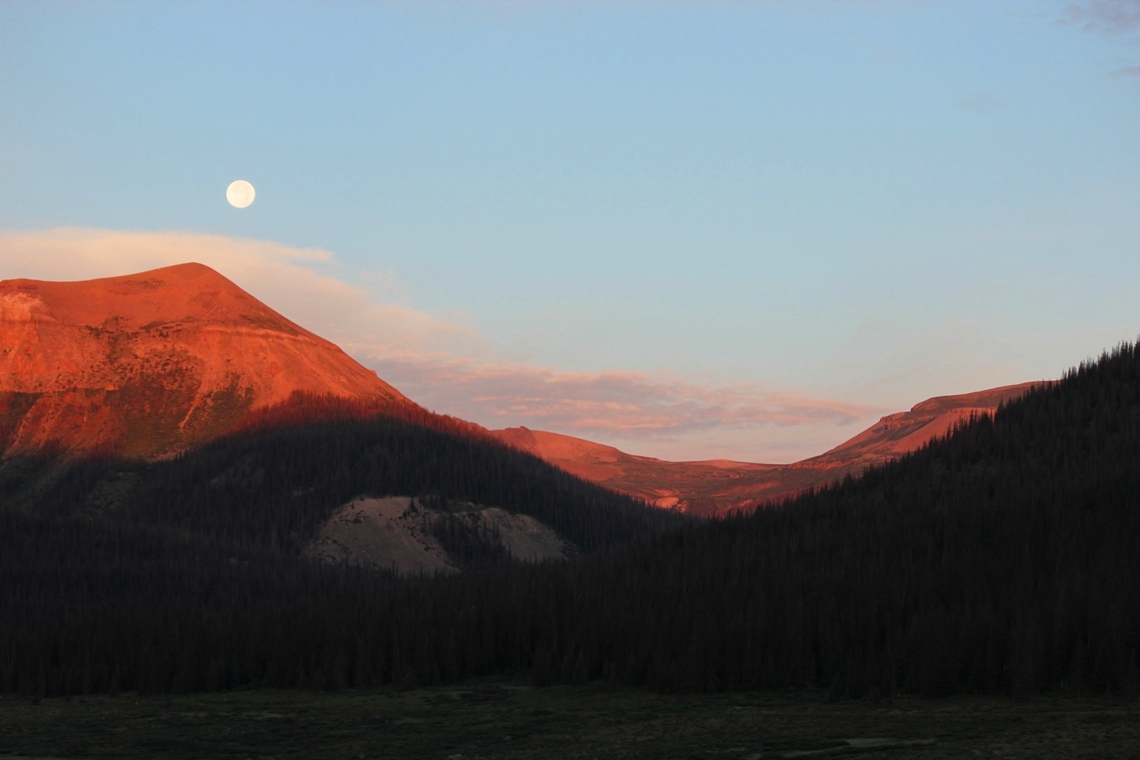
We’ve been doing this so long we’ve seen hillsides die and new flowers bloom, drought years and decent water years which means a lot of hours working in the rain, good grass for the horses and slim pickings, early frost and late blooming, grass stalks setting seeds weeks apart from what they did the year before, and waiting for the moon to set just so in middle of that Window.

We look at the ditch in terms of what year we worked on each section. Time told around shovels, slopes, slips and blisters. By the number of ibuprofen popped, packages of hamburger helper consumed, gloves worn through, and horses trained on the job.  How about the number of slip handles repaired, leather horse hobbles lost in the grass, corny jokes told in tired delirium and photos taken of that same incredible mountain looming so large before me as she does right now?

We set the tent up in the same old place.  Home away from home.  The horses put their heads down and proceed to graze before we even unload.  They know the deal.  The dog digs up an old bone and finds a faded red ball left behind from last year or the year before.

And yet nothing is ever the same.

~

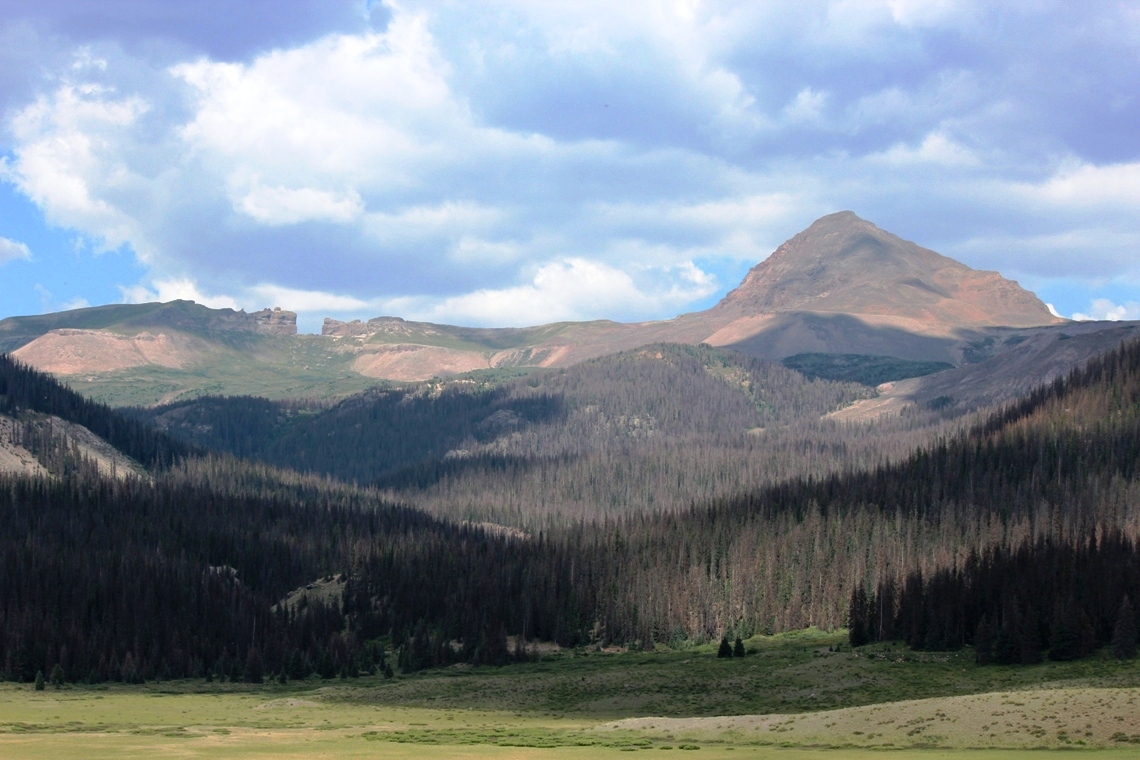
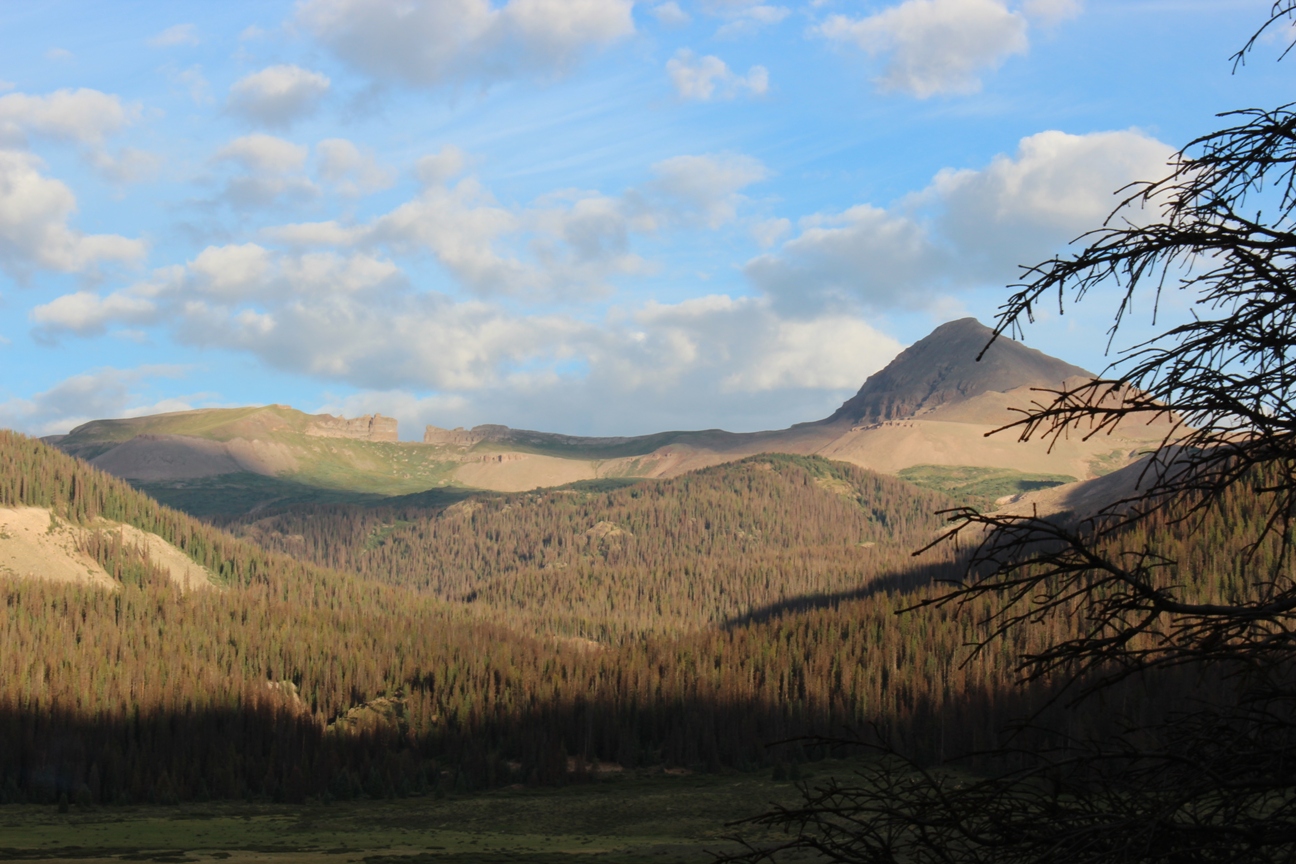
pyramid and window and beetle kill

~

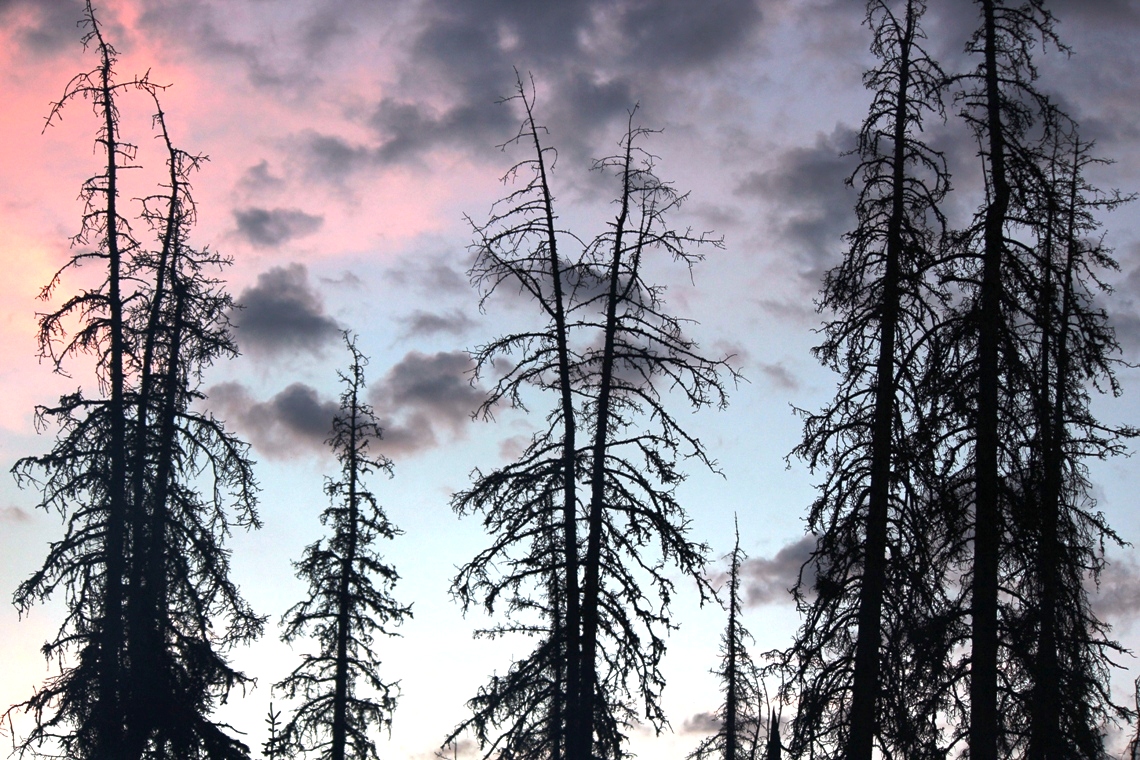
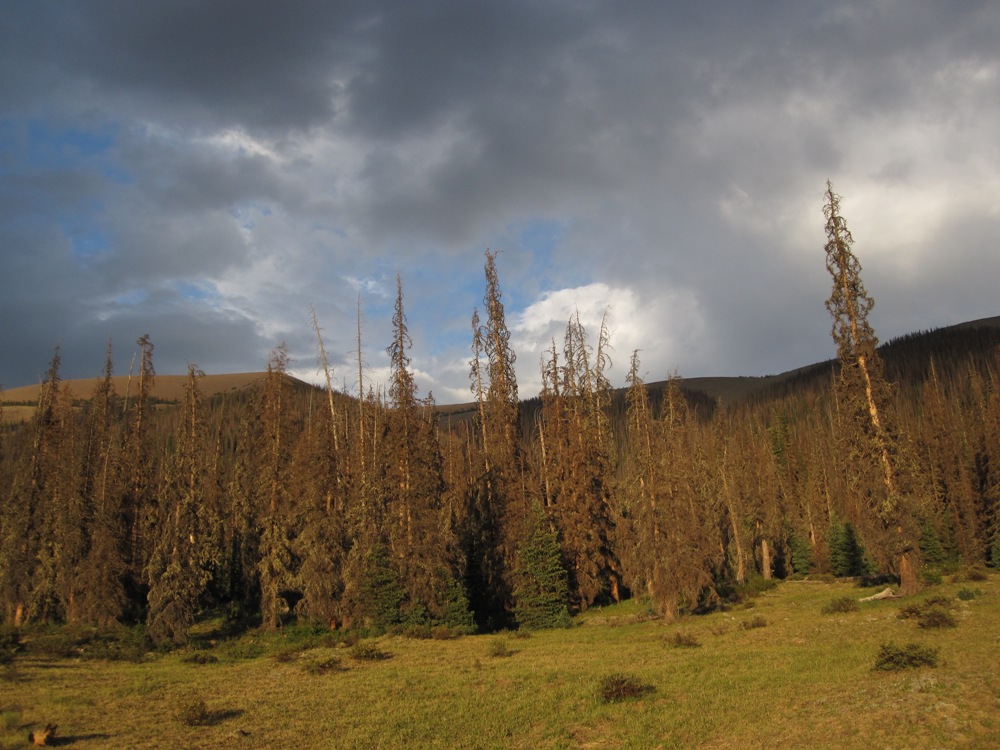
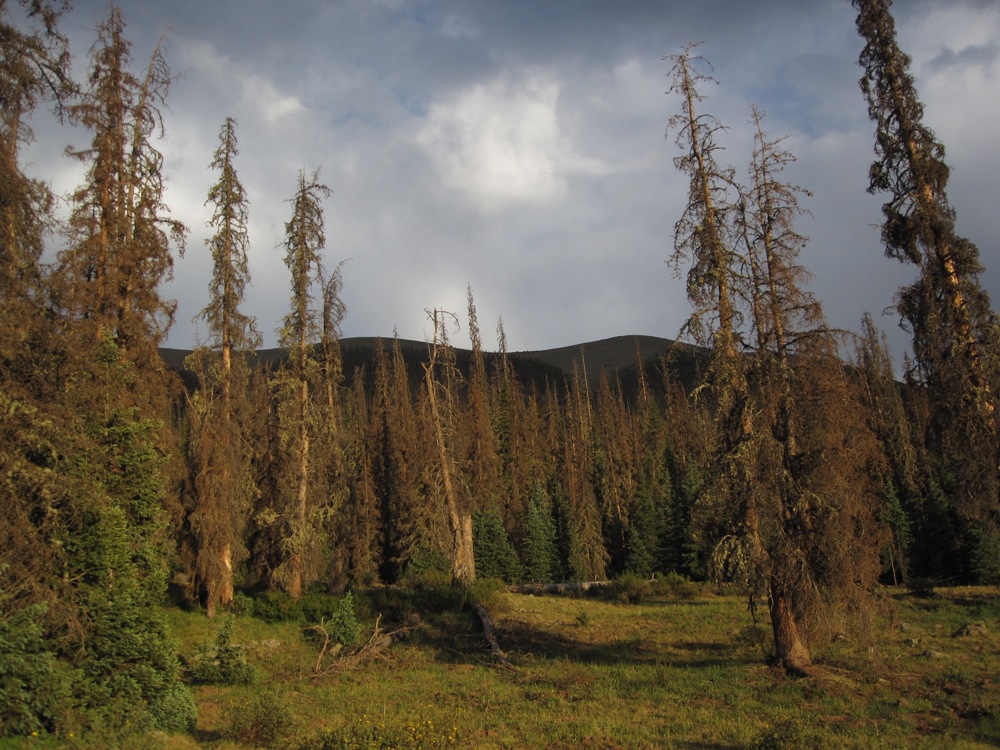
skeletons

~

Of course more trees have died. Now we count the devastation in terms of mountainsides ravaged, add it up by the miles of forest, not the actual trees.  You couldn’t count if you wanted to.  I don’t want to.

We sit by the fire in the evening with our wet socks off and tired feet drying and hear one fall in the distance.  Sounds like a gun shot.  Only for those of us working in the woods, far more frightening. We don’t say a word and look down at our toes.

This year the spring has gone dry.  The one by which we’ve camped for the past five years.  Each year a little less water.  This year, not enough to water a horse.  We have six here with us.  We walk further and let them drink at the river.  Norman, the gentle giant, pulls up his stake and walks there alone.  He’s usually back by the time we notice him missing. He never goes far.

Empty trails with the only tracks being that of the elk.  Eerie. This is peak season.  Not that it’s ever too crowded around here, and not that we are here to see people.  Really, not at all. But somehow, this time of year, they belong here.  Backpackers. Hiking the Divide.  A few days.  A week.  A month.  Maybe the whole trail in one long season, Mexico to Canada. Somewhere in the distance.  Bright colors and big backs. Part of the landscape.  Like afternoon monsoons, early morning dew, and deer slipping in between the timber as we lead our horses out to graze.

Where are the moose this year that have in the past been a regular part of our weekly viewing?  Neither home nor here.  I worry about these things, too. Has the low snow taken its toll on this species as it has on the Canadian Lynx trapped up there and brought down here, and did we really think they might remain?  Those that didn’t high tail it and try to head home, slowly starve.  Beautiful creatures with which we’ve played God.  Despite the trauma of trapping, transporting and being dumped in an area hit so hard by climate change, we still say we’re doing good.  I’ve yet to hear someone say this is good for the animal.  I only hope my beloved moose, slow and lumbering through the willows in the snow banks and one of the few brave enough to tough out the winters here with us, will choose to remain, and maybe even thrive.

For the first time we see repulsive brown sacks squirming in the willows, an infestation of fuzzy caterpillars, little white cocoons.  Miller moths.  We have not seen them here before. Not this high. The willows, already weakened from the ongoing drought, are suffering further still as their branches are stripped to feed the chrysalis.

They don’t belong.  Out of place, as grotesque as initials carved into the trees by passing tourists who somehow think this is ok.  It’s not graffiti because it’s on a living tree? *
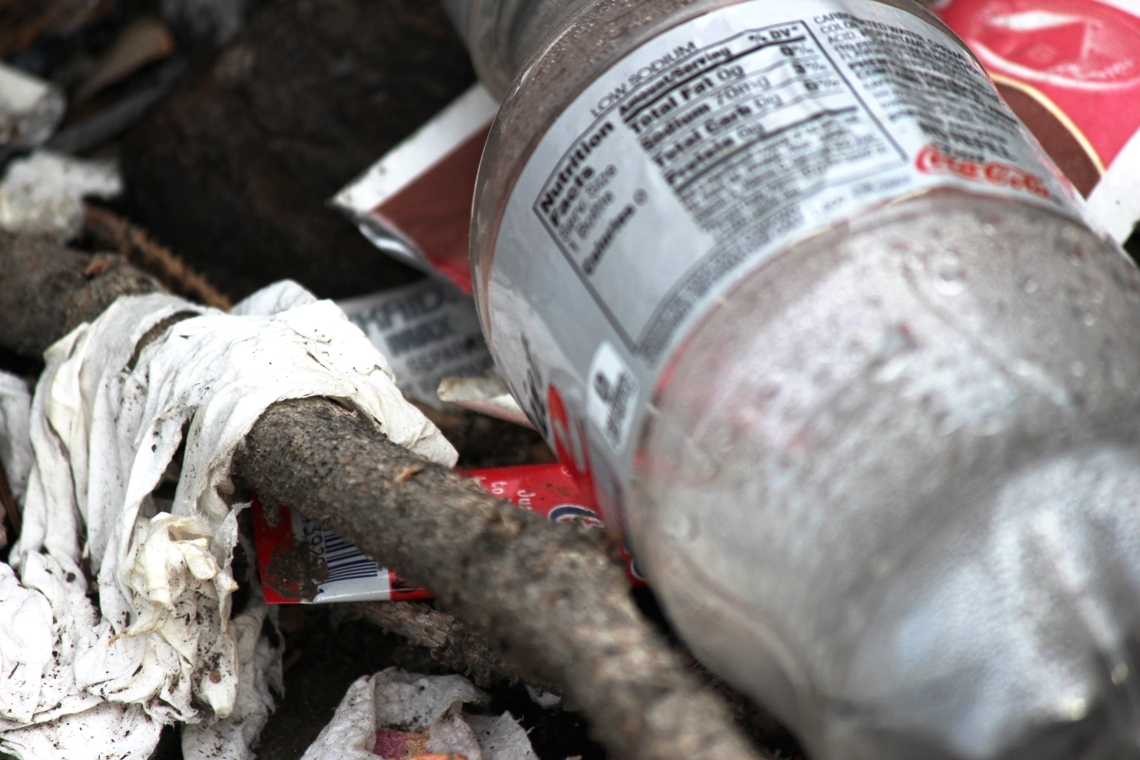
And trash.  Tell me this, please.  Who would come this far only to leave their garbage here?  Some things are better left back home. Perhaps some people, too.  And tell me this, too: who the hell packs in Diet Coke to the Wilderness?
~

trash

~

full moon setting

~

water flowing down river

~

I’m having trouble bouncing back, seeing the beauty, finding the good.  The fire burned a part of me too.  I bet if I went to town (which chances are I won’t for a while) I’d hear others say the same.

It was hard.  We all lost something.  A part of the forest.  A part of us.  Something we all deemed sacred.  Why we are here.  Our connection has been burned.  If we feel deeply enough, we feel the loss.  We are left somehow lost, lacking, incomplete.

It’s time to heal.  Rebuild.  We can’t go back but we can move on. Do you know how?  I can’t wait for time to heal it all.  I need to do something now.

Get me back to work.  Stop worrying about litter and trashy folks, forget for a while about finances, fires, future decisions, and blasts from the past still haunting me.  For now, just grab a shovel and get to work.  For now, nothing else matters except moving dirt.

~

flowers


~

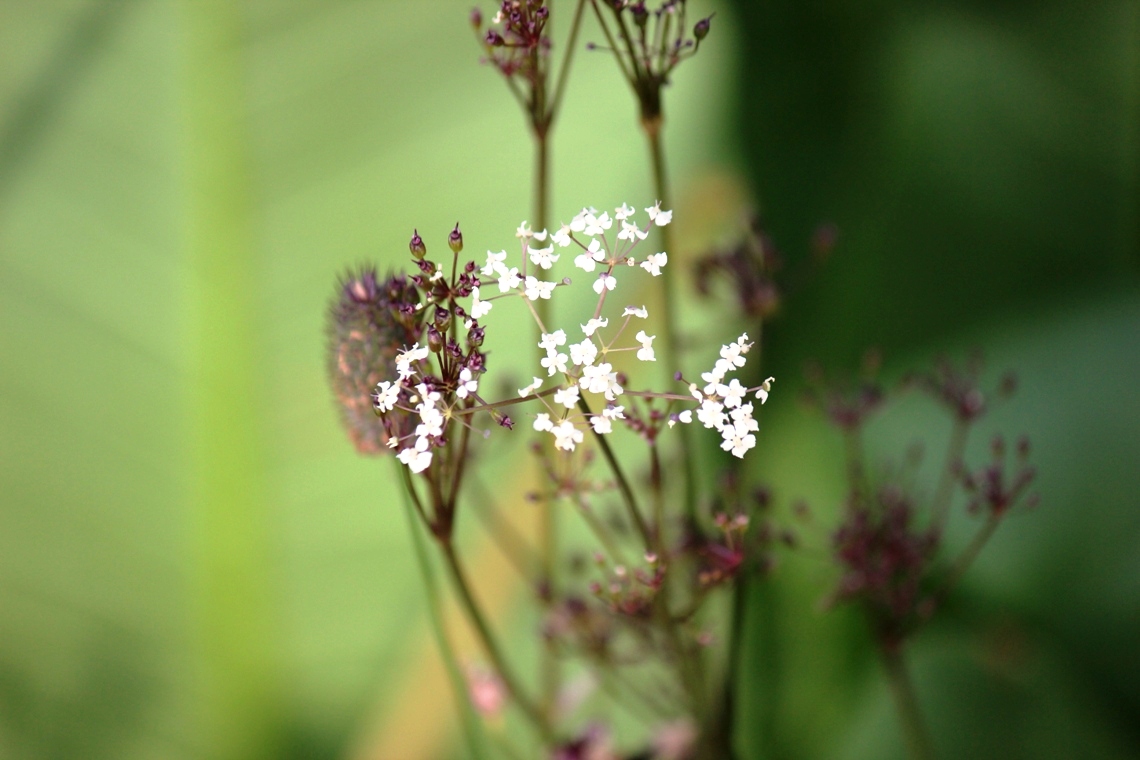
rain on white flower

~


* Forgive me, as I know of one exception where such a memorial is sincerely a sad but welcome part of this land.

Smoldering

~

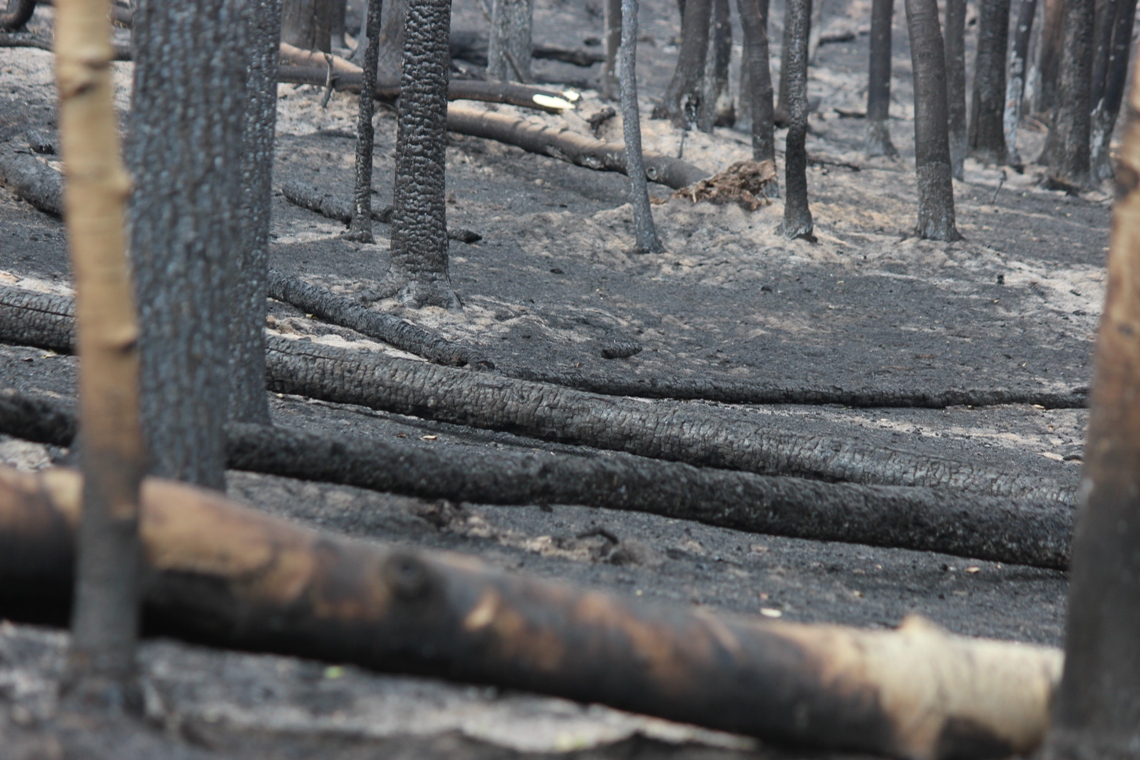
after the fire

~

Ashes to ashes. 

Now they are laid to rest.  We watched them die their slow death. Screaming, unheard.  Which, I ask you, is a sadder time?  Witnessing then the swelling fatality or now the inevitable funeral? 

Grief.  When shall be the time of mourning?  And how shall the mountains heal? 

Two days ago I find a squirrel in the toilet of one of our vacant guest cabins.  Bob lifts him out by the little scruff of his soggy neck and we are pretty sure we are too late.  He is barely breathing.  I tap his bony back to see if he’ll cough up water.  He appears lifeless in my hands, cold and wet and limp. I hold him against me, and walk out into the sun. I sit there with the little guy to my chest until he starts to shiver.  I think that is a good sign.  It is something. Movement.  Life.  After a while, he moves his front paws and blinks his eyes.  I wrap him in my shirt and set him in a safe corner of the yard.  We are late for lunch.  Forrest will be worried.  What more can I do? When we return an hour later, we expect to find him there, again cold, this time dead.  Instead we find the shirt empty.

I don’t know why I tell you this, or why I did this.  I do not like ground squirrels.  The tourists find them cute, feed the rodents, and leave.  The squirrels remain much longer, devastate my garden, the flower pots, get into the cabins and make a mess. (Ending up in toilets has happened more than once before.)

I think you should know.  Or maybe, I just need to remind myself.  Maybe I’m just glad to finally share some good news.  That squirrel lives.

~

Maybe it’s just today.  Moods are fluctuating like the plumes of smoke.  You can’t help but feel sad and tense and although everything looks the same from here, the eerie silence reminds you it’s not, and all you can do is watch and wait.

I’m feeling sorry for myself.  Silly me.  How selfish.  I know.  I try to tell myself.  Get over it. This too will pass.  Think of how darned lucky I am.  I know.  I know.  I know.

We head down the road.  My first time down the mountain since Memorial Day, best I can figure.  I need to get some answers.  Tourists are writing with questions.  Their one week a summer away from Texas vacation is at stake.  I should understand how much this matters.

It feels cold, or maybe it’s just me. There’s cloud cover, real clouds and smoke, both, you can smell and feel them in the still, stuffy air.  Black sticks and ashen earth. Charred hillsides play a patchwork with untouched stretches.  Wafts of something smoldering.

I don’t know what to think or say and I don’t want anyone to see me cry.  Not even my husband.  So I turn my head, don’t think, stare blankly as we drive on.  I look out like it’s just a movie, passing by. Unreal.  I can remain untouched.

We approach the road block.  Keeping people out, and here we have been in.  I can see from the side of their truck they are from Arizona. They are big men, yet soft spoken to me. Sympathetic to the inconvenience and loss this has brought to my family, home and business. That doesn’t really matter, I want to say.  How do I tell them how I feel?  How sorry I am at their loss, their colleagues, their bereavement brought so close to our homes as our bravest stand beside them?  Life!  My God, I know that is what matters.

I say nothing.  I don’t know what to say.  I know I will cry.  My eyes swell and each look at me with such compassion and I can’t find the words to tell them “No, I am sorry for you… I have lost nothing that really matters,” though I wish I could.  I look both in their eyes. Deep.  I hope they feel it and  know my silence is not enough.  But what is the alternative?  A middle age woman breaking down before them?  My husband puts the truck in gear and slowly drives on and I roll up the window instead.

There are deer sleeping at the side of the road. Fire trucks from Arizona, Utah, Wyoming, northern Colorado.  Finally, a familiar face, turns and walks away when all I wanted was a smile, a nod of recognition, the understanding that we all get through this best we can.  I don’t get that.  I think that’s what I came for.  There’s nothing else I need.

I return to the mountain and mourn not only what so many have lost, but what I am left with.

~

on the way home

~

It is not over yet.  The road simply smolders, the raging path already burned its greedy swath of over thirty six thousand acres to the east and south of us.

Here I can almost hear the fat lady singing.

Here there are blue skies in morning, rain clouds pass us by in afternoons, the Milky Way dancing like tempting muses overhead at night as we step outside to brush our teeth (we have no bathroom here) and the only smell of smoke comes from the chimney of the old wood cook stove.

Here where the trees are not charred, only left to stand the eerie red your eyes still read as green.

Here we are left with the silent cry of dying trees.

There, a ghostly wail in plumes of smoke.

~

Some days it seems all you can do is not cry, or if I could cry enough, would my tears help douse the flames. But they do not, and my heart aches for the trees and all those who have lost so much and those that are giving so much of themselves to stop this wild burning.

What have we done?  What have we been waiting for?  Didn’t we all know they would burn?

Is a million acres of dead standing trees enough?

Will these fires wake us up?

~

beetle kill

~

Don’t you remember when?  When the trees were still green here and we first saw those sprawls of dying, crying trees, the old pinon, down in Carson, New Mexico.  And I, like you, stood around and did nothing more than watch as the death continued to spread until now I may not see flames and smoke from my front porch, but I am still surrounded by death.  Someday, dare I say it, won’t this too have to burn?

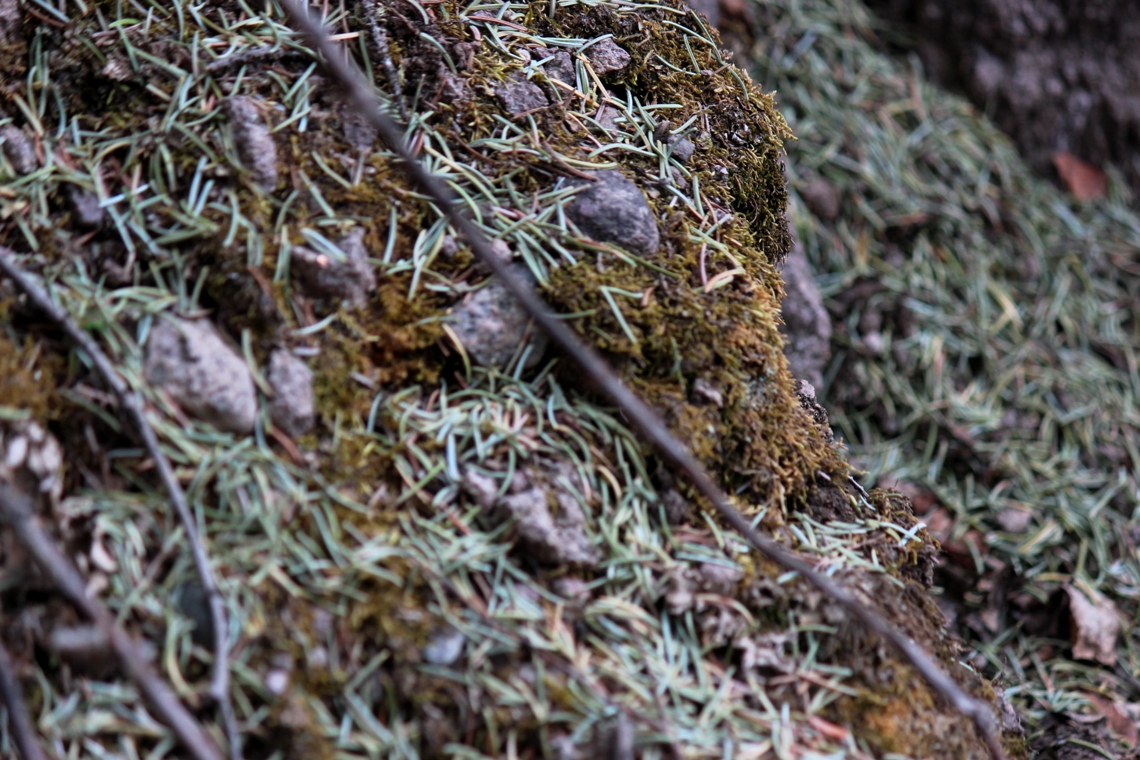
The forest around me still stands.  Not live, but standing.  90% of our spruce have died and over 15% of our Aspen. This part is obvious.  But stop for a moment, and look closer.  The damage is much deeper.  Look at your cool, shady trail that is now in the sun. That spring that used to flow is dry and the bog you just walked across is now solid ground. And the saddest but hardest to see and I bet few have noticed:  the moss on once sheltered hillsides is now exposed, choked by pale green needles fallen from dying trees, flaking off rocks in large dusty chucks when the wind blows.

~

needles and moss

~

Haven’t you noticed the change?

All it takes is looking.  Nothing fancy.  No special tools or skills.  Right now, I don’t care about who or why.  But don’t tell me my climate is not changing.  It already has.  And it’s not done yet.

This here is one mad mountain mama.  Does anger help?  I think it’s better than acceptance, doing nothing, brushing the bad stuff under the carpet and pretending it’s all OK.  It’s not OK.  So… do something about it.  What?  What can I do?

A month ago, I wrote a friend.  Another woman who writes.  She is also read.  She is published.  Big time and the real deal.  People listen to her.  I do.  I ask for her voice, but she tells me I have to use my own. She is already screaming.  OK, I tell her.  I will try.  I will speak softly, though few will listen.  Most won’t agree.  Some will be angry, and maybe a few might even be hurt.

But this won’t be about me. This won’t be about you. Right now, for just a moment, this will be about the trees.

~

The trees. I’m talking about the beetle kill devastation that has hit the entire Rocky Mountain region from New Mexico to Canada.  I’m talking about seeing every stand of dark timber on every mountain surrounding my home turn from green to brown.  I’m talking about seeing the Weminuche Wilderness forest die.  I see it from my kitchen window as I sit in the comfort of my house with a cup of coffee and wonder why. This isn’t science. This just is.

“It’s natural,” they say with a stupid smile to a room full of yes-men shaking their heads in agreement.

Remember what they told us:

It won’t go over 9,000 feet.

It won’t go over 10,500.

It won’t burn as well as a live stand.

And my favorite, when in doubt, use this one, old reliable:  It’s natural.

(Excuse me for stating the obvious, but I look around and say, no, the results of these beetles getting in two breeding cycles in one extended season year after year does not seem very natural to me.)

And above all, do NOT let the elephant out of the closet.  Let us not mention climate change.

~

Instead, let’s wait and see.  Push papers, have meetings, make plans and policy, change plans and policy, keep calm, try to maintain control and cover your ass.  Leave it to a scientific study.  An environmental impact report.  A thirty thousand acre “test zone” they are watching to see what happens with beetle kill while we’ve just watched almost a hundred thousand acres in this part of Colorado alone show us what happens. Beetle kill burns.  Thanks.  I didn’t know.  Pardon the sarcasm. I told you I was mad.

Don’t upset the public or stir the waters. Waters that are now being used to douse the flames and maybe then will wash down charred slopes and clog our rivers, silt the creeks and what will it do to the fish?

Sit on your hands and at the end of the day watch while a million acres of trees are consumed, first to beetles…

~

for karen

~

From a letter I wrote a month ago:

“The trees are dying.  Not just a few. All of them. The spruce trees.  All the way up to timber line.  Entire hillside, thousands of acres, dying a slow death.  The beetles are small as a grain of rice. Who would have guessed something so small could do so much damage that will last for generations to come? 

The forests are dying, and we’re amassing miles and miles of curing fuel for an inevitable fire. And this is Wilderness. So we’ll let it burn. 

Now the Forest Service is talking about starting the fire.* They have no idea how huge this will be. They never really know but it seems to be their job to speak as if they’re certain until they are proven wrong and then change their stance. They say these things safe from behind their desk while we are here living with it, in it, crying with the loss and now scared of what will happen next.

We use this wood to cook with and heat our home.  I know how well it burns.  I’m not sitting around looking at facts and figures and talking big and trying to ease the troubled mind of the public.  I’m here living with it and it’s sadder than you can possibly imagine to be surrounded by such death, frustrating to hear the fabrications and incompetency around us by those denying the change has anything to do with the bigger picture, and horrid to think of what is going to happen, because something is going to happen, and it’s going to be more terrible than just sitting around staring at a bunch of dead trees starting to blow over and create a lovely pile of fuel across a half a million acres that is the Weminuche Wilderness.

Of course there is much more I could say, much I could share with you to give you a wide array of facts, figures, guesses and lies concerning the causes and creation of this disaster, and more important, so much I could show you just from my kitchen window without any words at all.

Can you help be the voice that these mountains are crying for and I am not strong enough to be?

There is a story here that must be written. Will you write it?”

My voice may not be heard.

And now, am I not too late?

~

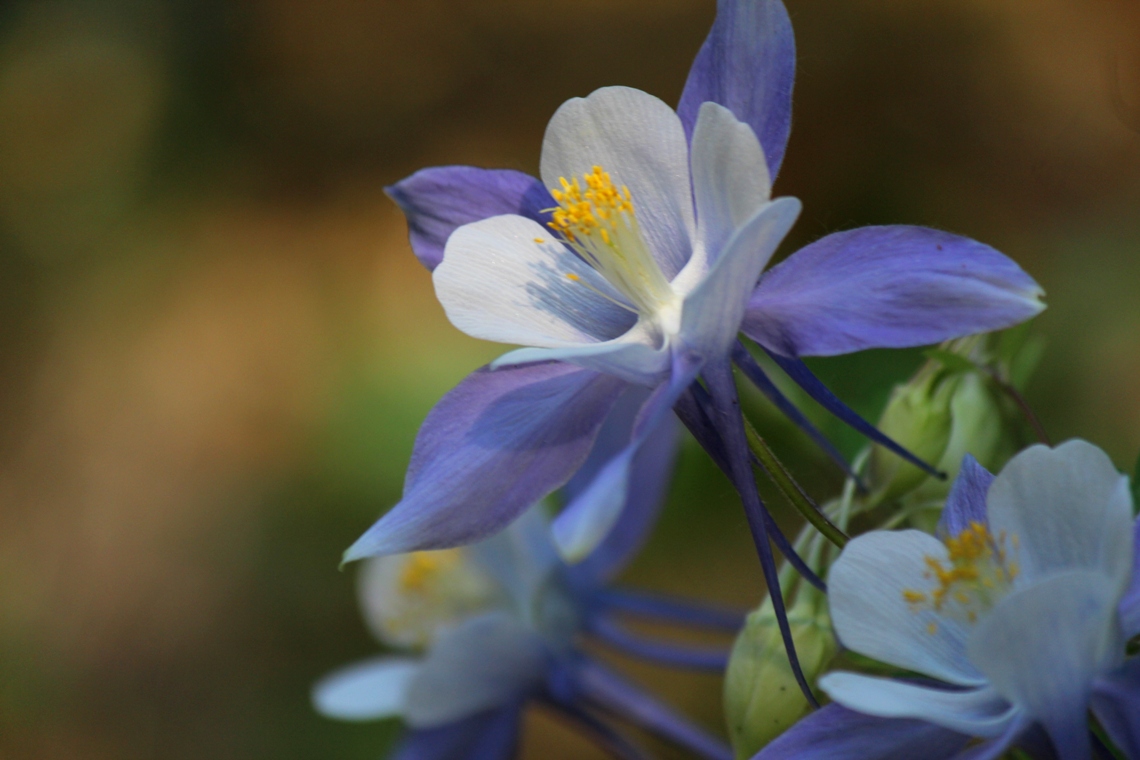
columbine

~

*For the record, the Papoose Fire was started in the Weminuche Wilderness by lightning strike.

A bunch of pretty pictures and one not so happy poem

~

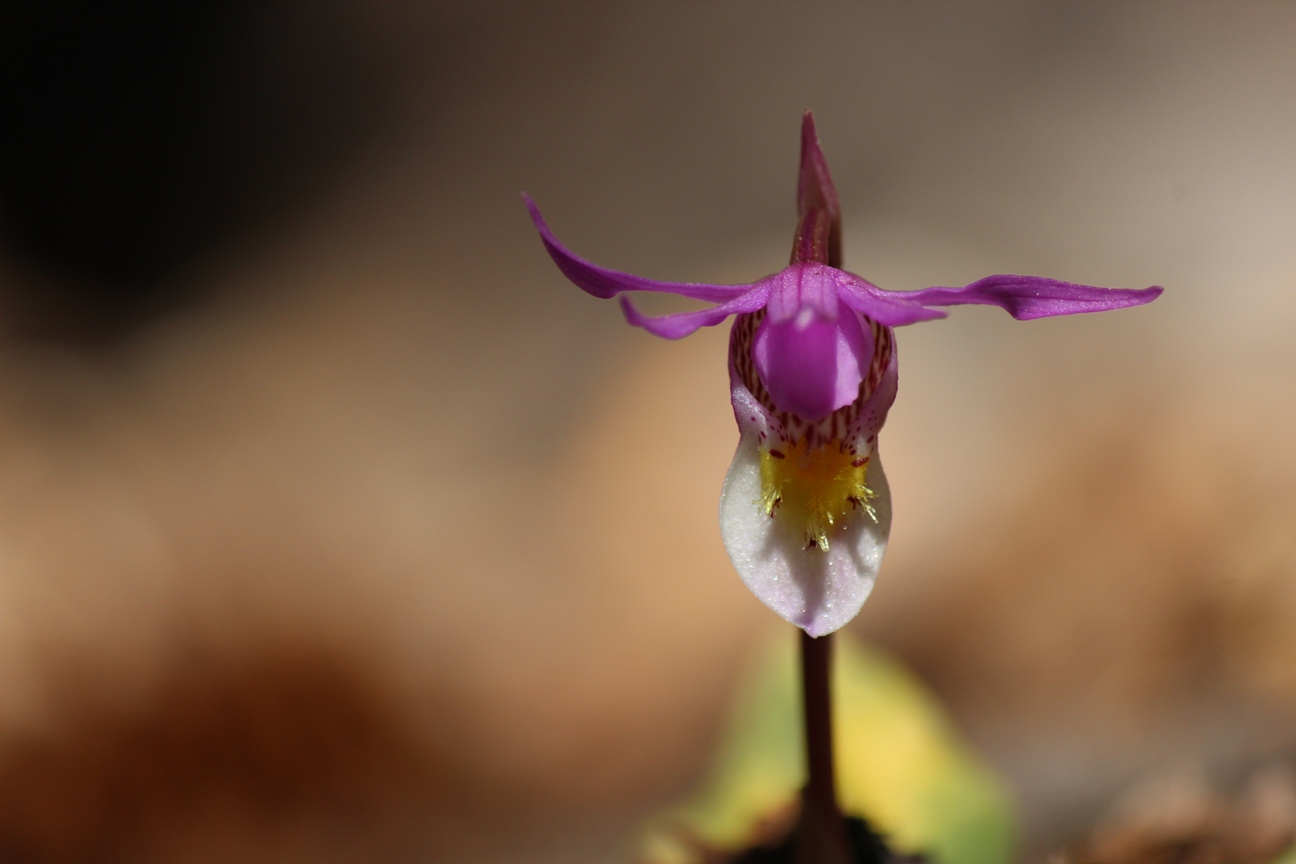
calypso orchid

~

come back weminuche

~

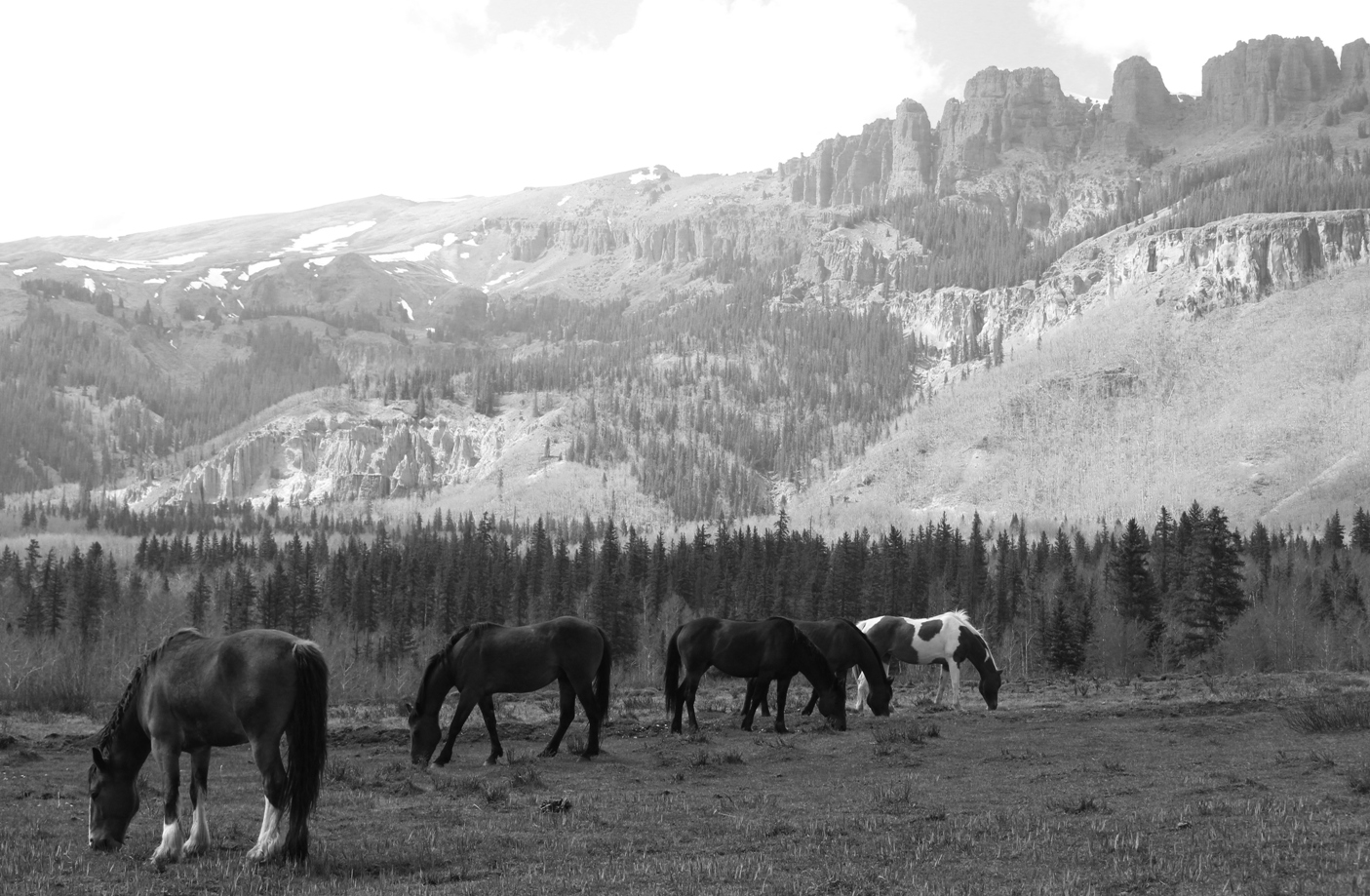
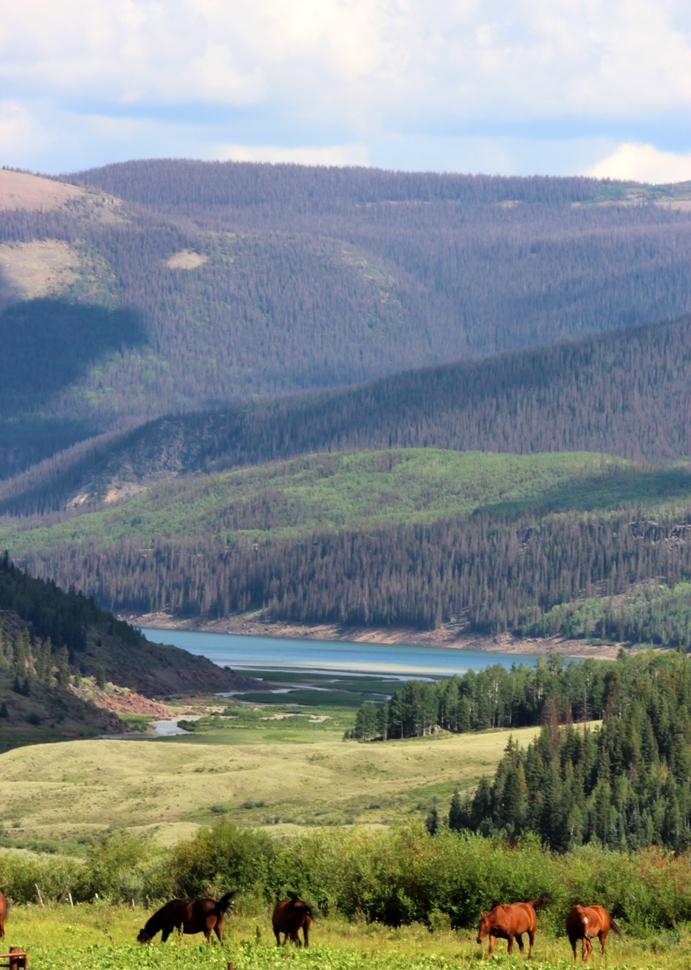
horses on pasture

~

last light on dead trees

~

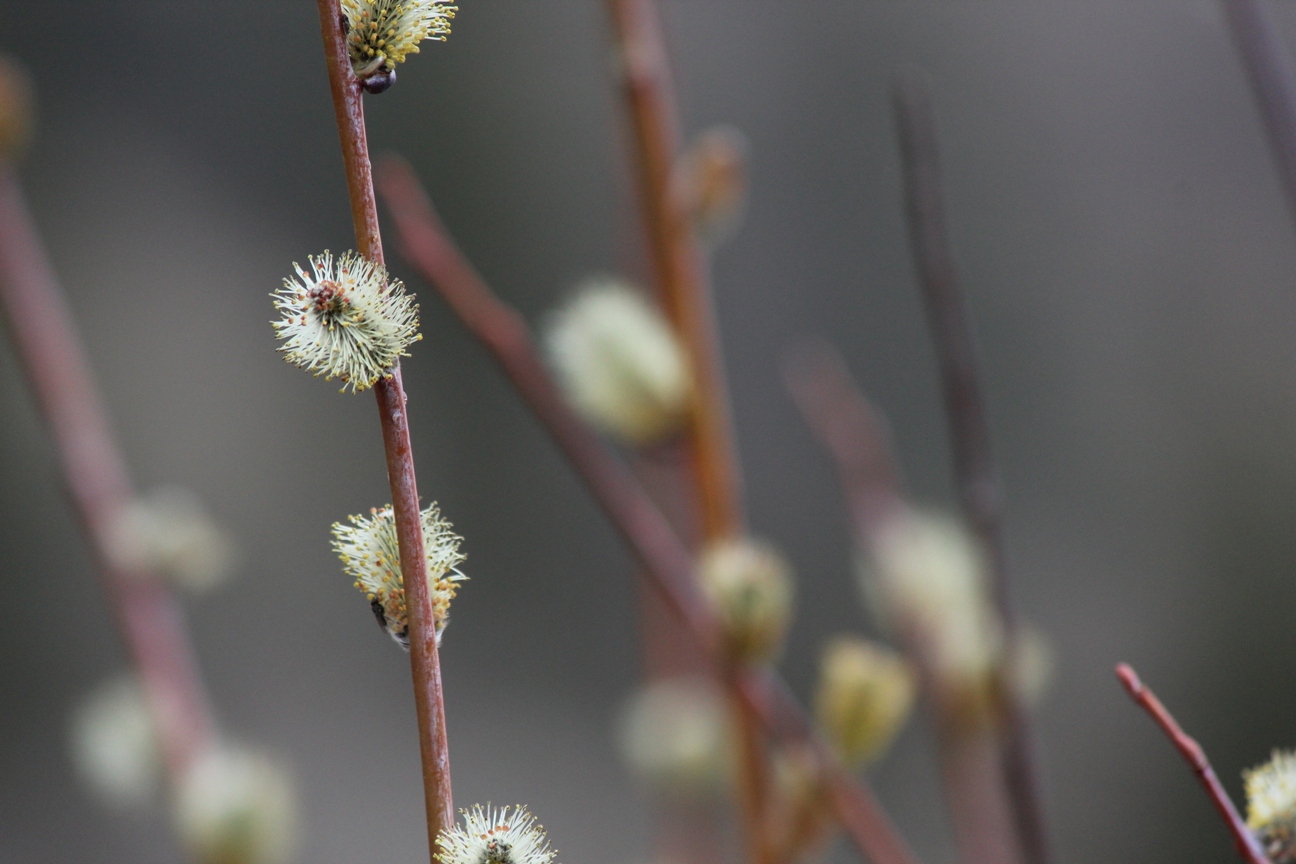
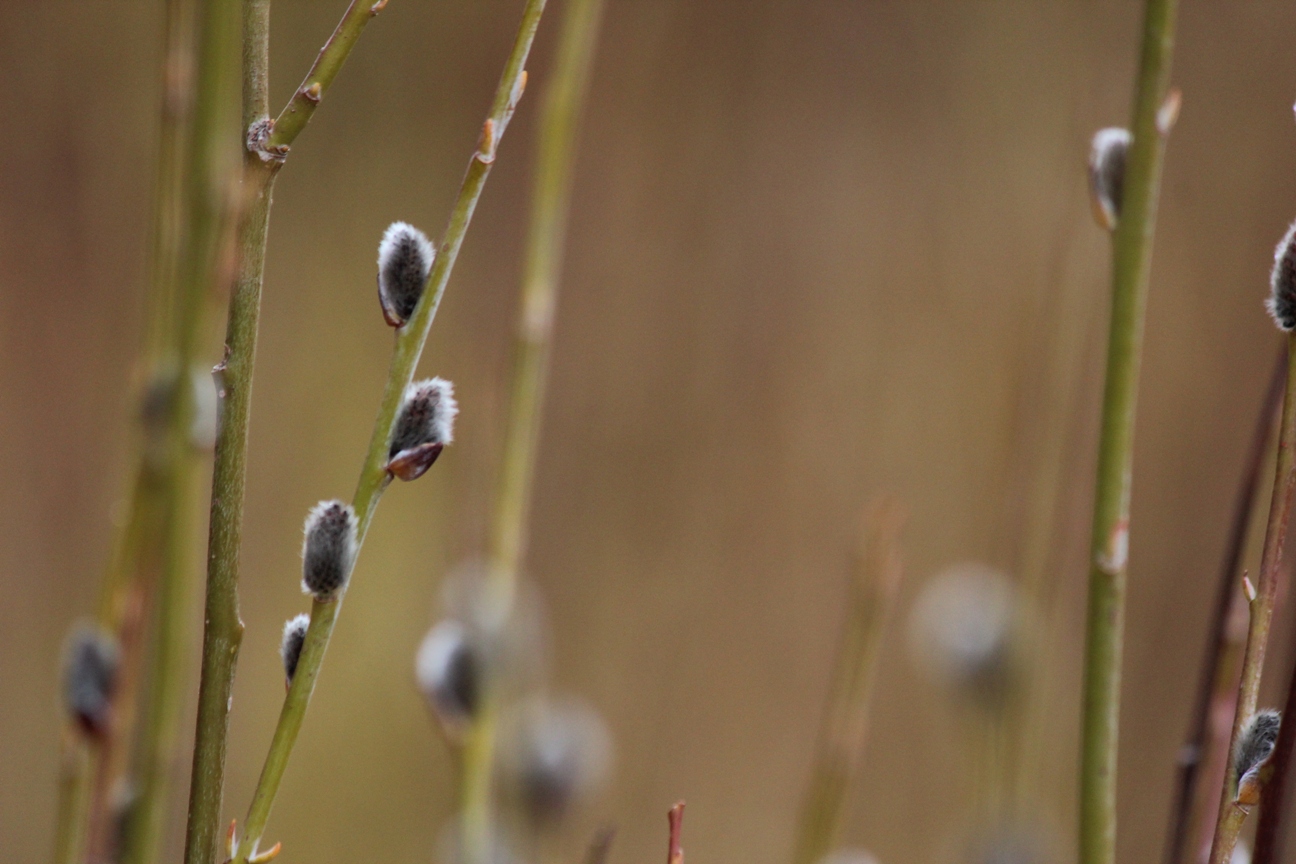
pussy willow 2

~

pussy willow

~

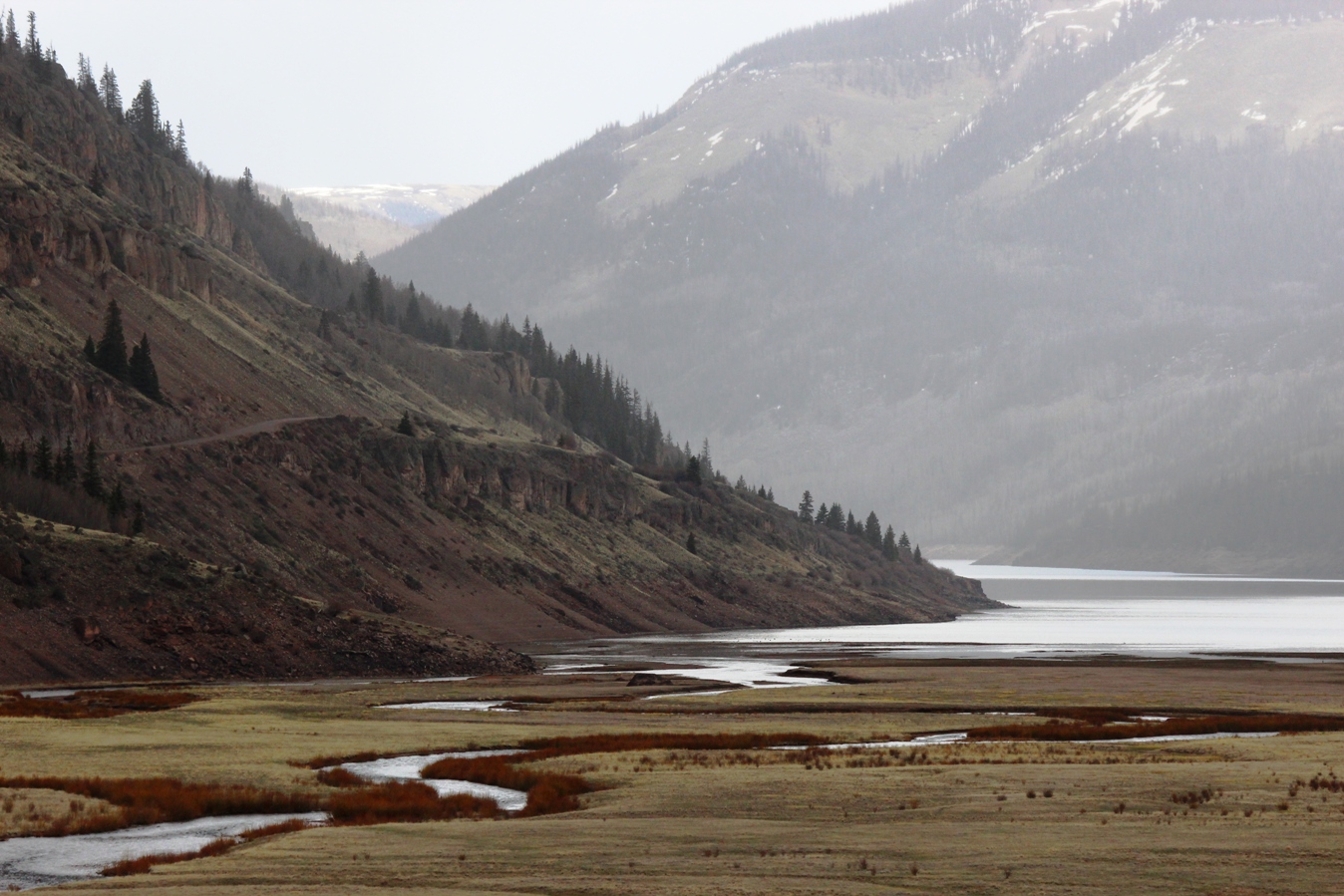
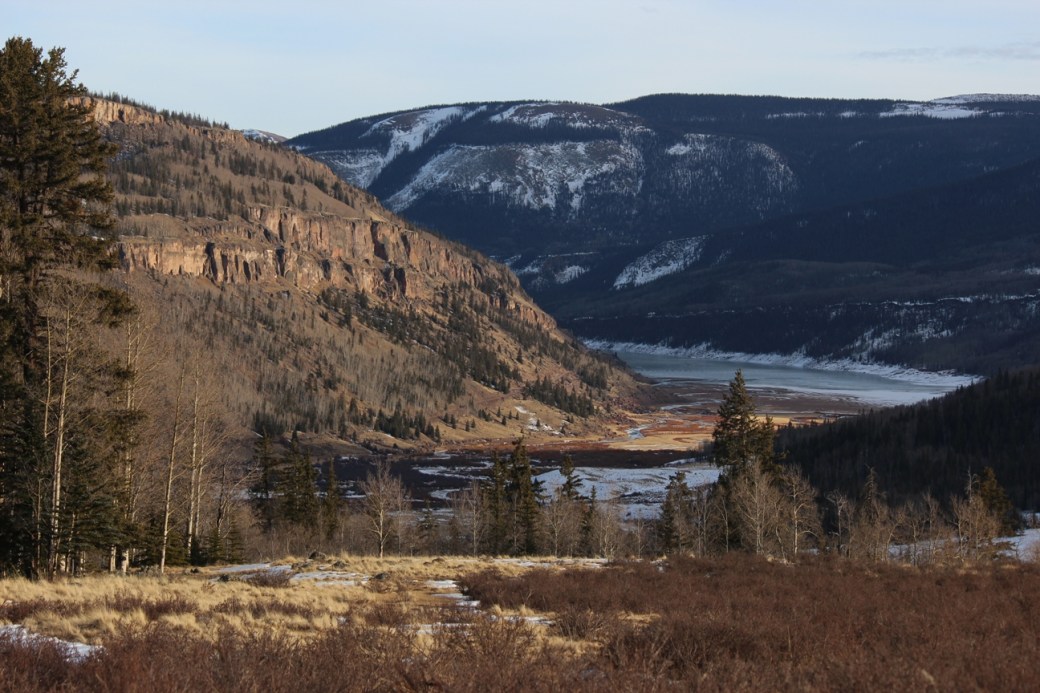
reservoir flats

~

rio grande spring

~

tresjur and indi

~

view from the office

~

Thoughts in spring time

And the sun shines

and warms and

tells us it’s all ok

and we smile and

Look around as aspen leaves

open and green the hillsides

that otherwise remind me

of death

And the light is high and flat

and my cheeks burn

and we say, yes, this is how

it should be, but

something deep inside

is nagging and we try

not to listen but

it won’t go

away.  And then

we have another

glass of wine and wonder

if we can wash it

away but all it does is

make it louder and then

We want the rain and

the snow and the clouds and

darkness and want to turn

within and feel instead of

see and then we know we’ll

find what we are looking

for.  Do you know? I wonder

if I ever will.

~

On these trees

~

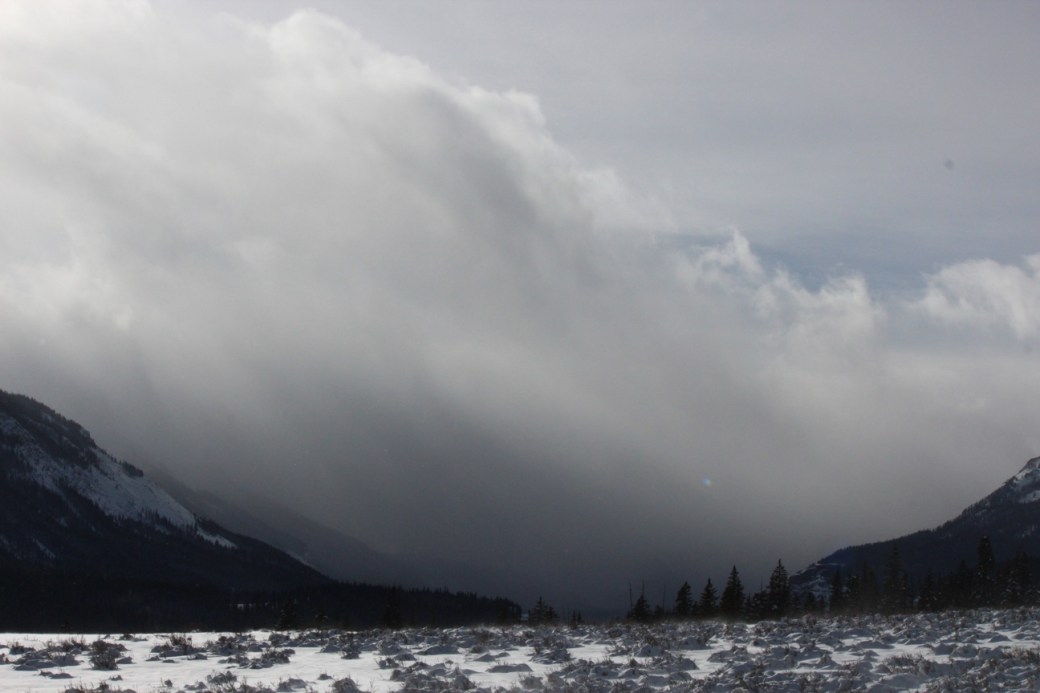
clouds to the west

~

The rhythm of movement. Lost in thought, and trying not to think. Just observe. The beauty and silence of the early winter on the mountain. Over cast sky and hills flattened without shadows, broken by dried bunch grass and the leafless cinquefoil poking through thin snow. Speckled hillsides where we expect by now to see smooth white. Don’t think about the continued drought. Don’t think. Just observe.
Cold hands. I struggle to press the shutter with my mittens on. As clumsy as boxer mits. Such contrast to the delicate subjects before me.

~

beetle killed blue spruce

~
Dead trees. And dying ones. Sending out their last sap in a losing battle.
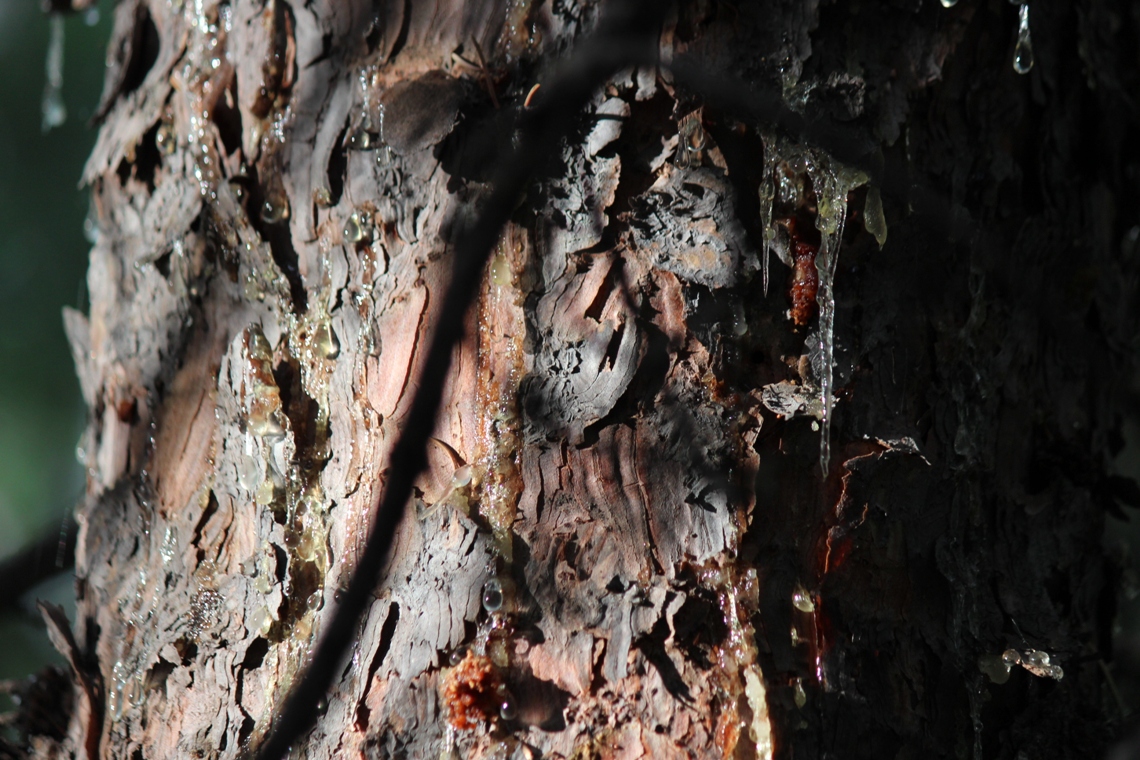
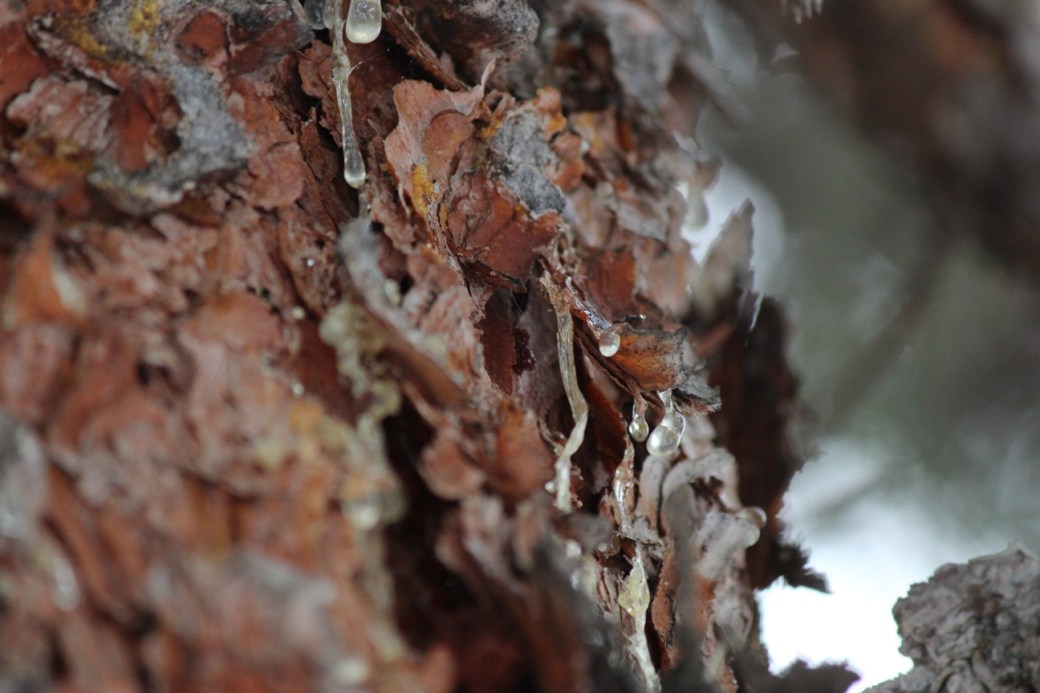
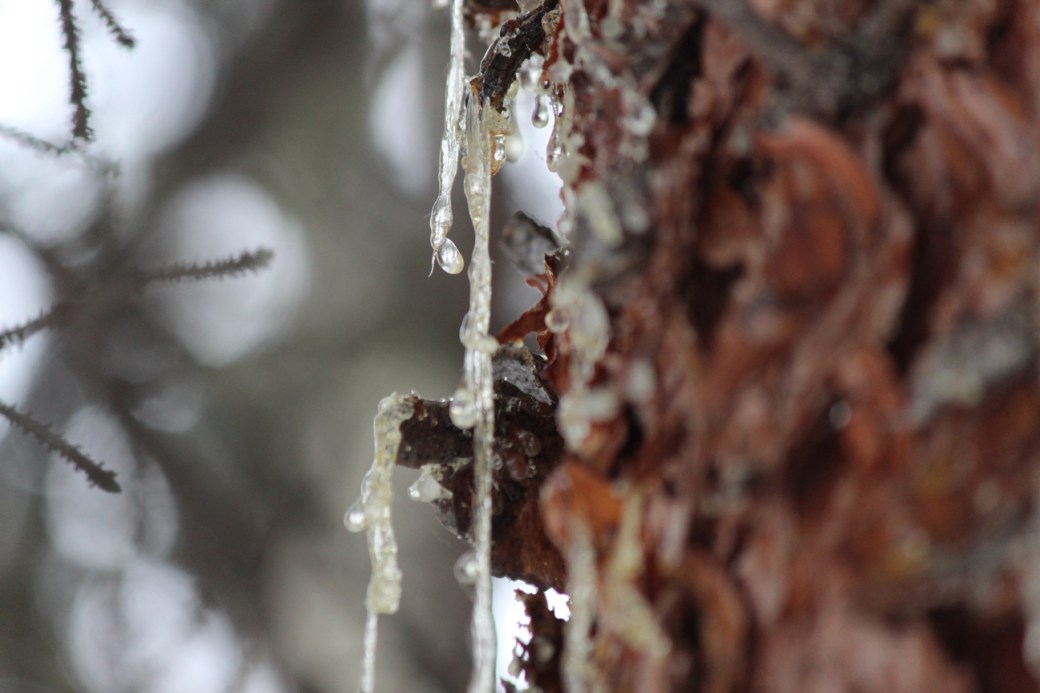
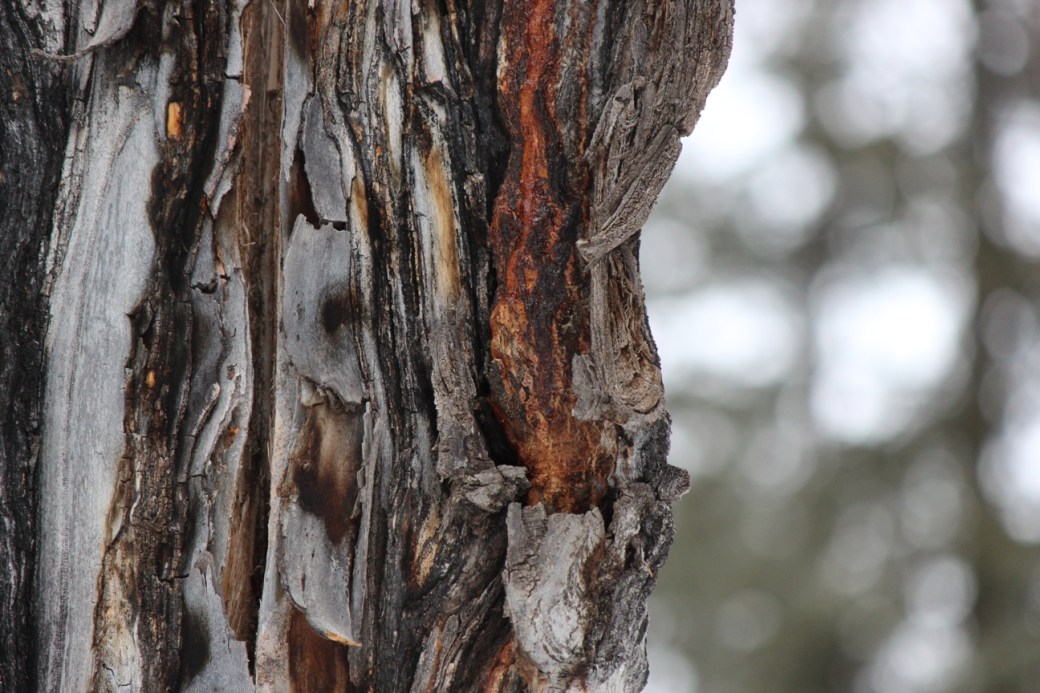
Beetle kill. Part of learning to see, finding the beauty in the beast. Getting used to it. Living with it. Knowing the tell-tale signs. Pin holes, loose bark, dried and heavy sap runs. This is Cutting Edge science. They look for answers. I wish they had them. I am learning to see reality. We are seeing changes yet undocumented, not yet understood. We learn to live it, not analyze it. We use our eyes, our heart. We listen to the falling needles on cold ground in spring and brush a tiny black beetle off our shirt in early summer. We walk trails silent from the layer of needles spread out before us like sand leading the way to the beach. Needles that once were shade. The view is opening.

~

running sap 2

~
It’s big, hundreds of thousands acres around me, but I am going to look close.
Some days it gets to me. Looking up at the rolling hillsides of brown blue spruce. Looking closer, say, at one pin hole or piece of slipping bark, is easier.

~

running sap

~
Living in a land I used to think was one of the last to be affected in this country, kind of like the late bloomer. Behind the times, if I may say. But now we find ourselves ahead of the game. Water issues. Drought. The aquifer drying up. Farmers paid not to grow. Entire forests dying. This is the forefront. There is nothing to refer to except for today.
We learn to listen with our eyes, our hearts, and let the so-called experts spit in the wind. Hopefully not too close to you or me.
I’m a dark timber kind of woman. A wood sprite of sorts who hides in the big heavy trees where my spirit is free and soars. I found my grandmother wisdom in the old growth fir, and my passionate bliss among the vanilla scented ponderosa pine. I’m not a silken bark aspen kind of lady putting out a fanfare of garish delight one season, and letting loose my leaves for half the year. That said, I have grown to love a hillside blending one into the other. That is Colorado.

~

dead aspen 2

~
At last count, Colorado lost 17% of our aspen. The aspen, some say, will be replaced by the conifer. They said that before the conifer began to die. Now some say the aspen will replace the conifer. I say no one knows. Such claims bring false hope. Can’t the land be beautiful for how she chooses to be? Ah… but are these changes her choice, or her reaction to our changing world?
All we can do is watch them slowly die, a quiet death, without fanfare. It doesn’t take a scientist to tell me. It only takes my eyes.
I see it. Plain as day. Plain as death.
Perhaps it is meant to be a mystery after all.
Have I lost my way again? What happened to quieting my mind and just observing?
How hard it is to just breathe.

~

dead aspen

~

Mother to mother

finger mesa

`

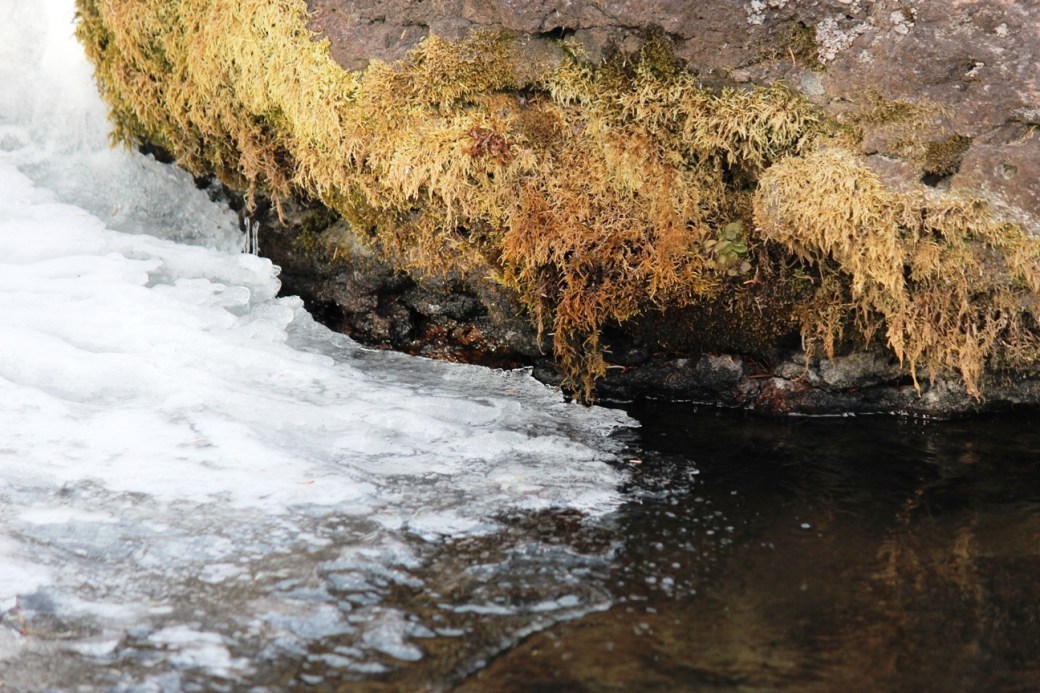
moss rock water ice

`

You await your god to give you his blood
while we bleed ours onto the earth
and pour four tears
In times of drought

The blindness of being
of choosing to see only
the last green tree
In forest of falling needles

Like the mother who has two children
and after the first one dies
remains happy
Because the other lives

If I choose hope
I am off the hook

As if optimism were a fair replacement
For truth

`

last of open waters

`

ready for snow

`

Ode to a Christmas tree

early dec 2

`

You get an appreciation for life when you’re surrounded by death, you know? Trees are that way for me.

Although decorating for and celebrating Christmas is something I love, the Christmas tree part just had never worked out well for me. First, Forrest was raised in the far north of California where in winter the only action on the one-lane hair-pin turn road beside the rare sighting of one of the reportedly two hundred people who lived scattered in those hills and you hope on those rare times the driver was not drunk and remained on the road which of course was not always the case, was the logging trucks on days they could make it through mud slides, the occasional snow storm, and ice slick like a buttered pan in the sharp curves of the dark draws. Clear cuts like patchwork quilts secretly surrounded us. We would walk through fields that were once forest. It was a way of life there, a steady source of income for as long as the trees were there and then they would move on.

Now we live amongst Beetle kill. Hundreds of thousands of acres dying around my home. The tip of the iceberg visible from the window I look out right now. A hillside more brown and grey than green. And I know next year will even be worse. These little beetles leave a mighty large wake behind them.

The idea of cutting a tree for pleasure is not very pleasurable right now. For years, we cut Christmas branches. Big boughs off of the underside of the giant trees from the Pacific Northwest. Asked the tree for forgiveness, dragged it home through the mud and rain, then hung it up with bailing wire attached to the uninsulated wall you could see right through to sunlight if there ever was, which was not too often in winter.

Here, even before the trees started dying, we set up a fake tree. Saved from the landfill. No one ever seemed to notice. Who would guess, these folks living so far away on the mountain wouldn’t even take one tree? We couldn’t. I guess that’s why we live here, and those that only think about taking… leave. (Ahhhhh… the mountain heaves a huge sigh of relief….)

The trees up here don’t need thinning. Man’s intervention, from what I see from this window, and any other window I’ve looked out of, has been more than plenty. Maybe leave the forest alone for a while. Though now you know it’s too late for that. We’ve got a half a million acres of matchsticks curing out there now.

But… if I may for a moment try to justify my actions… Forrest is coming home for Christmas. I want the house to be festive. You’ve got to have a Christmas tree. The big old trees I could normally poach a lower branch from are mostly already dead. Bob and I discuss bringing home a Beetle kill tree. A tree skeleton, brown and dried and stripped of needles. A sign of the times. Maybe start something new. Kind of misses the holiday cheer, we decide.

Let’s get a tree that needs to be gone, we say. You know, find one too close to the road. Nope. Nothing. OK, one too close to the trail? We walk for over a mile. This one is too big. This one too sparse. This one has enough room, see, you could ride a horse around it. Leave it. It’s hard to kill when you care so much. We keep walking.

We find a tree that I know from personal experience is one you have to kick your boots from the stirrups and lift up your legs to ride through. And that’s even riding my little Arabian. What if I ride Big Fat Mamma Tres, or heaven forbid, the draft horse Norman? Really, it should go. We’re convinced. This isn’t murder. It’s necessary. It has a purpose.

We took it. Dragged it home well over a mile from the horse trail across river.  It’s here now dressed up with colored lights that we can’t plug in because it is cloudy today. The downfall of solar electricity. A bit of a bummer after nothing but blue skies for what seemed like months. Grey skies today, and not even the reward of snow.

`

early dec

`

It is dry. Too dry. Remember, I live at an elevation of almost 10,000 feet. It’s supposed to be winter here by now, big time, and this snow which is not here is what should feed the river next year. The headwaters of the Rio Grande, wild and free above and around me. The drought continues. Ten years and counting. This year appears to be the worst yet. Warmest, driest.

Mid day and the horses are out grazing on last seasons grasses now dried and brown. The hawks sweep low and are rewarded with moles and voles still above ground finding no solace beneath the leafless cinquefoil.

`

early dec 4

`


Farewell to open waters


Still I trust the process
as longer nights will
shed more darkness that
turns the river solid

or so it should

these things must
Come
but have not yet

I am waiting to walk
on frozen waters
that now melt in the heat of
day passionless grey

skies skim over
Meaning nothing more
than the promise of returning

to blue
Which where I find myself

now unable to escape

the slow process of
silencing the river

watching sand
Fall between open fingers
That try to hold onto

What will not remain

the mountain turns
soundless as the river
freezes over and my

future lies before somewhere
in the twisted silver path thick

I think of mercury from a broken
thermometer dropped on a hard
wood floor and

Shattered

Holding no more weight than
a leaf from last season
scattered in the wind

waiting

I watch hillsides
fade to grass pale as snow

and shiver

`

early dec 3

`

Hush

`

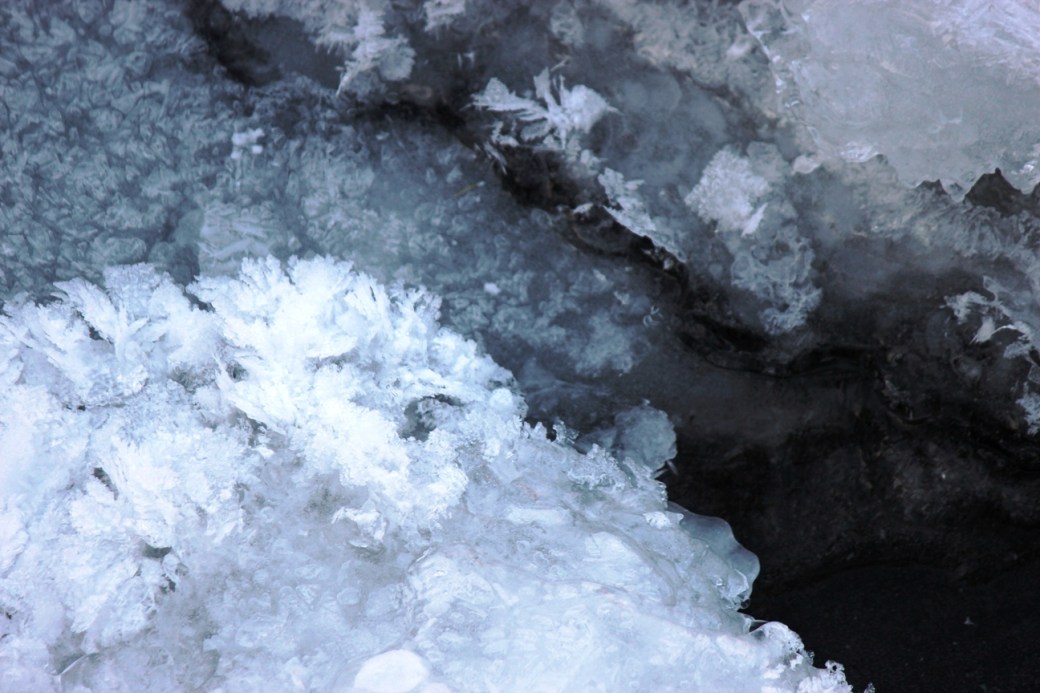
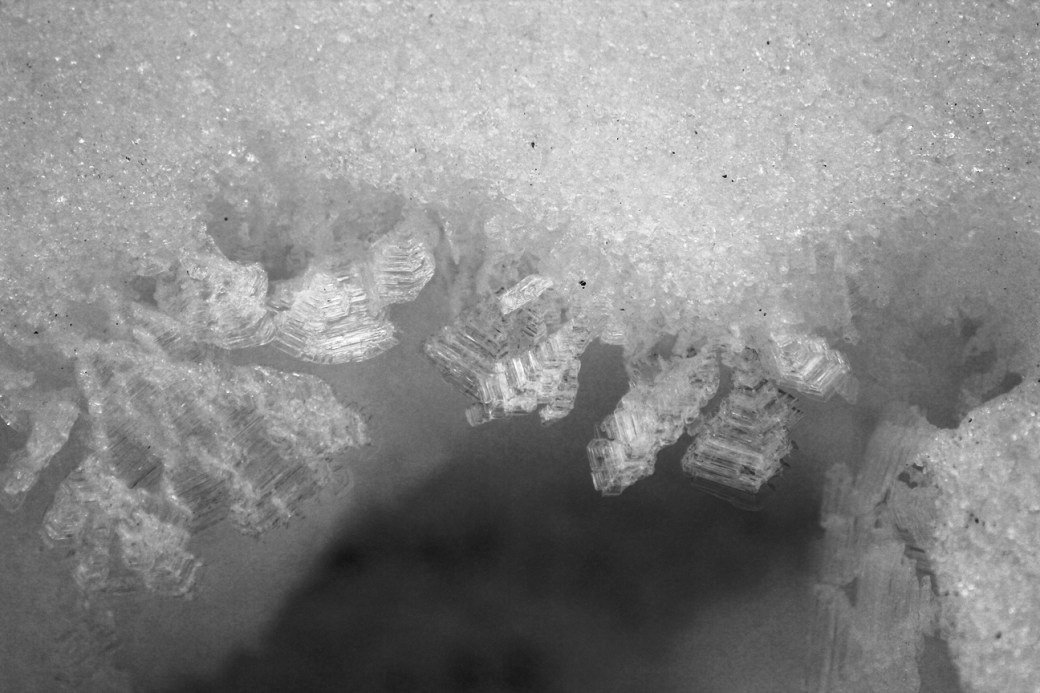
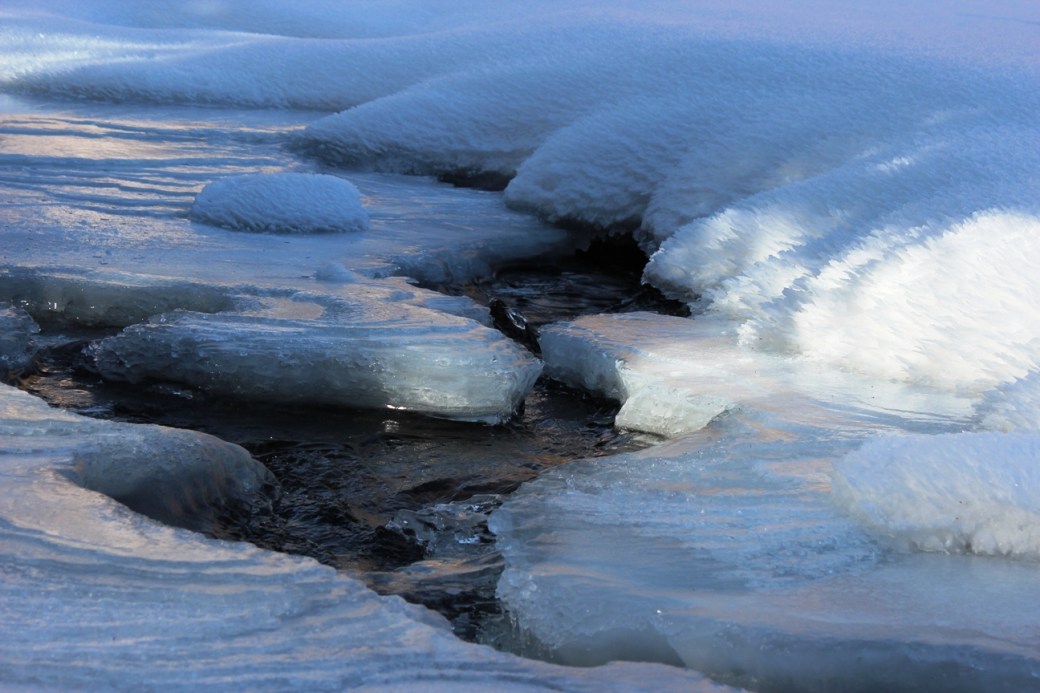
textures in the ice

`

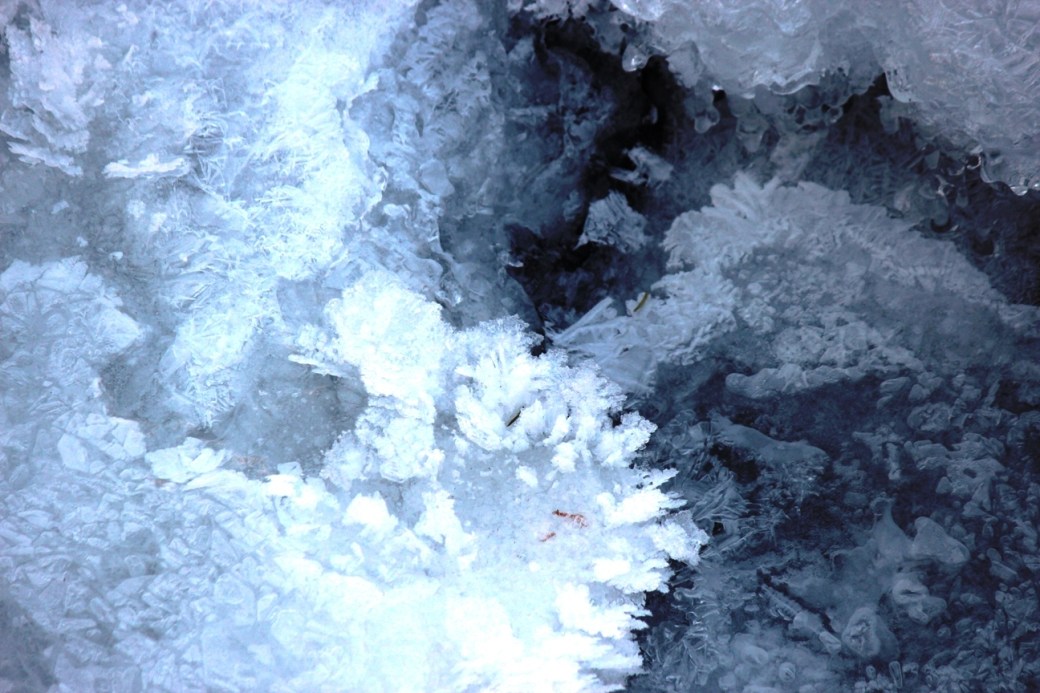
textures in the ice 2

`

textures in the ice 3

`

Down by the
Muted river
Where hoar frost grows thick

Winter blossoms
Swelling
In frozen embrace under

Trees undressed
And you and I
In so many layers

Still cold
Though our hands touch
Through thick mittens

We pause over frozen waters
As the raven flies above
And the snow around us is

Marred by the last tracks of elk
Only there can we hear
The cry of moving waters

With depth greater than
Words we share
That shatter the silence

`

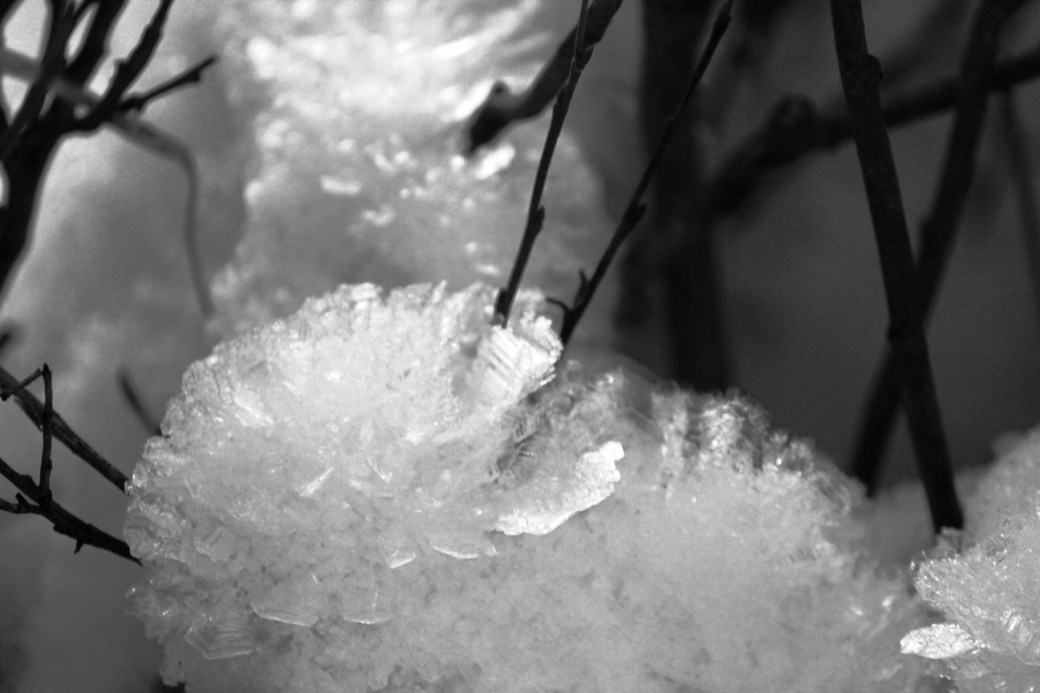
winter blossoms

`

winter blossoms 2

`

winter blossoms 3

`

I read somewhere recently of the horse being the dolphin of the land
Then may I call this heavy frost the fish scales of winter

`

winter blossoms 4

`

winter blossoms 5

`

winter blossoms 6

`

If you walked with me now along the north facing slope, perhaps you’d never notice.

The snow from a few weeks ago has held, now dry and packed, we walk on top with our boots and take twenty steps before falling in. This aged snow now turning to these fascinating crystalline fields of frost. In the trees you might think it odd that the snow is dappled with pine needles. Scattered randomly like in a childs drawing of cows in a field. Do you know what that means? The trees above are dying. Beetle kills. Needles fall like rain drops in the wind.

Perhaps we stop by a live Blue Spruce. It would be a small one. The little ones have not all been taken. At least, not yet. We notice the aroma.

Sap. Sweet life. A smell I have almost forgotten. For now it is rare.

We stop and close our eyes and soak it in, the sweet breath of the tree, inhaling to the depth of our soul. And we smile.

`

winter blossoms 7

`

weed seed

`


Changing views

Rain turns to hail turns to snow

Winter’s white line blending with brown

A slow sad march down the mountain

Covering the last of summers stories

Faded like a sepia portrait of an old cowboy


Yesterday today tomorrow

You may say bad things comes in threes

I’d rather think of body, mind and soul

Nothing is not connected

Though too often we find ourselves alone

Seemingly old words shared with a new friend:

“As I write, I am down at the Little Cabin, our one room cabin built of old round logs, set out on the bluff above the river. Big Haus, our main home for now, is being used for the last big event of the season, so we’ve chosen to hide away down here, and I love it. A small satellite dish and solar panel which charges a battery which in turn is inverted to household power allows me the use of the computer and internet, though we have the old wood cook stove giving us heat, and candles and kerosene lamps at night by which we work. There is an outhouse nearby and when the rain and hail (and soon to be snow) are not as loud on the metal roof as they are right now, I can hear the song of the Rio Grande just below us.”

Get away, far away…

I wonder at times if I am running away?  Or running to something just out of reach?

A new view, looking out of these old weathered eight-pane windows.   Snow beneath the beetle killed spruce trees.  Rolling waves of light and dark, subtle shades and repeated variation, hillside after hillside fading from green to grey.  It’s only a matter of time.

Are we better off not looking?

Yet even blindfolded, would you feel the tears of the trees dropping their needles upon you as we stumble through the last of the shade?

Listen to the wilds cry

Listen to the wilds cry

Confessions heard in dying trees

An intimate look at a big forest ravaged by tiny beetles

If anyone had told me ten years ago that the hills as far as I can see and beyond would be filled with such death, that I’d be surrounded by miles and miles of mountain hillsides draped with dying trees, up to the top of tree line on both sides of the Divide… I would never have believed.

I believe now.  For this is what I see.

Green turned red, brown and grey.

We try to be optimistic.  See the few green trees remaining.  Some smaller Spruce, and of course, the Aspen.  Glimmers of hope.

It’s not enough.  Look at the rest.  It’s dead. Dead, damn it, dead!  We are living surrounded by death.

I try to find the beauty in it all, and if the light is just right, it’s there, you can see the softness in the setting sun on the dying needles.  A more open view when you’re in the woods.  But really, that’s it.  It’s dead, death, and lots of it. It gets to you some times.

Genocide of the mountain and we sit back and say there is nothing we can do.  Rape of the land I love.

It’s not that bad, you say.  There’s still so much beauty, so much goodness, so much life.  Oh, I know.  I see it every day.  I do my best to appreciate.  Wildflowers, grasses seeding out, steel grey clouds, trout surfacing the river, captivating colors in the rocks, a rainbow, a sunset, the flash of the blue bird on the old cedar post.  But there is also so much death.  And dark clouds do get gloomy, intriguing as they may at first appear.

Cheer up, you say, it’s still so beautiful and always will be.  Oh, I promise you, I know and I see, very clear and very deep.  For I am here, remaining when your fairy tell ends.  This is our home, our reality.  So how can I turn a blind eye to this devastation?

I saw a stand of smaller trees, two, three, four inches in diameter, standing dead with tell tale signs of beetle kill.  Dripping sap turned hard, pin holds and chipping bark, needles falling off like rain, teardrops of the wilds as I ride by horseback and brush too close to death.  I tip my rim forward and let the needles fall onto my horse’s mane and neck.  He is used to this.

This was not supposed to happen.  None of this was.  I remember the first such ravaged land I saw, devastated by the beetles, back fifteen years ago or so in Carson, New Mexico.  Didn’t know what it was back then, as we watched the four and five hundred year old pinon trees that were here when the Spanish settled, wither away in one season.

I’ve heard all the “expert” opinions, and know it’s just a guessing game.  It will only get the pinon, or perhaps the ponderosa, scotch, limber, lodge pole, fir, bristlecone, spruce…  It will only kill up to eight thousand, then nine thousand, ten thousand feet…

Last year they even told us once it’s dead it might not burn as bad.  Colorado learned the hard way this year.  I don’t want to call it all “lies.”  The intentions of the so-called know-it-alls might be good.

Face it.  No one knows.  I’m tired of hearing predictions that don’t pan out and ideas to fix the forest or save one single tree that just won’t work when the entire view – yes, miles and miles and miles, how many millions of trees – die before me.

Death.  That’s the problem.  It’s not that it is ugly per se, though most of us who live in it still have a heck of time finding true beauty in the rolling red hillsides or one individual, unique dead standing tree, just one more in a forest of so many.  The problem is that the hills and mountains that once sang with life and promise now stand silent, stripped and exposed like a bleeding heart.  Our trees have been raped and killed.  And not just one or two or a hundred or so.  But mile after mile, mountain after mountain, millions and millions and millions of trees.

Dead.  Don’t tell me it’s a natural cycle and it’s all going to be OK.  I’ve heard enough of that.  You’ve proven you have no idea what you’re talking about, what is happening. But it’s happening.  It’s happened. These trees are dead.  These mountains are dying.  It’s death and it’s ugly and it’s real. So stop sugar coating the view before me because I take off the green tinted glasses and I see red and brown and grey.

I’m tired of lies.  Of guesses.  Of ignorance for which I am guilty too.  I’m tired of listening for what I want to hear, taking solace in the latest glimmers of hope like blind faith, as the plague continues to spread and we place our bets on how far it will go next year.

My child’s children will never see these mountains as tall and green and lush and majestic as I once did.  But no longer do.  Now I see red.  I am red with anger.  The mountain may silently weep.  But I can rage loud as the color red.


(…to be continued)


OK, friends, readers and passer-bys, on that happy note… I’m off again this week for another round of ditch camp.  See you at the end of the week.