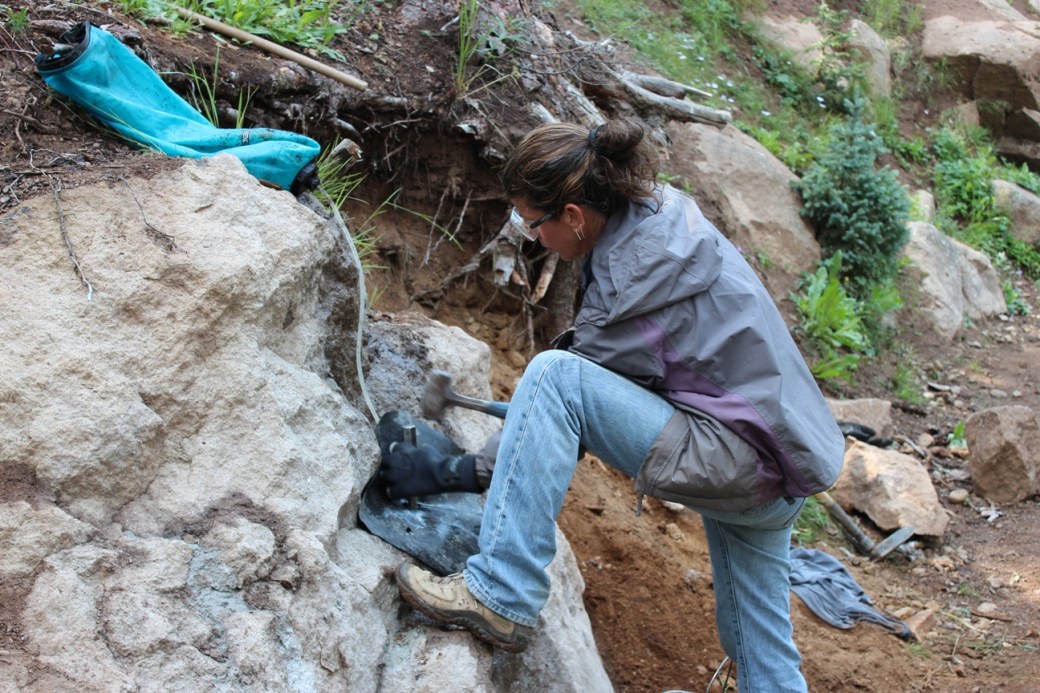
Ditch Diaries

Week 3, Day 1

Missed working here last week due to the unexpected encounter between mountain lion and horse.  Left us with the feeling (the reality!) of more work to do in less time.  One worries if one can do it.  Will my body hold out?  I know the miners and loggers and true pioneer folks did much harder for much longer.  Perhaps we humans have softened.  My son tells me I’m pretty tough as he rubs the muscles in my back which don’t seem to release, relax and let go.  Muscle memory.  I imagine soaking in a hot bath and hope my muscles will ease under the almost painful pressure of his hands.

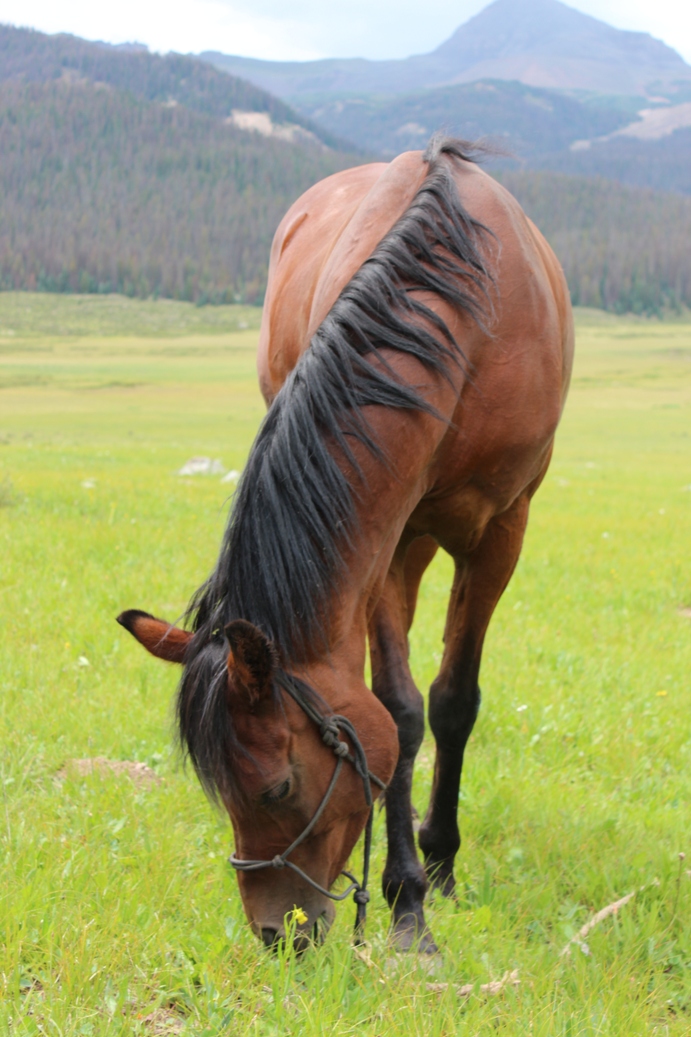
Riding in to camp this morning.  A challenge. The trailhead we use blocked with tourists in their RVs asking for directions, work men scrambling about, drilling rigs, back hoes and water trucks and I don’t know what all we had to ride through.  I pretend it’s an Extreme Challenge race for my horse, Flying Crow, and he’s winning. Guides us through the worst of it. Success! I’m proud of him.

Finally. And finally, I’m proud of my training. Some days.  Two steps forward, one step back.  Always a process. Working with this little Arab, training him as a stallion, has been a huge lesson in patience, trust and learning to read the horse.  It is working.  I have never had a more difficult horse to work with.  His natural balance of flight and distrust and questioning everything (“Do you really mean it?”  “Do I have to go there?”  “Will it bite?”  and the most often he tells me with his not so subtle body language, “But why?”).  I once read that Arabians are for people who really love horses, and really can ride.  You have to do both to put up with these guys sometimes.  It’s not easy.  Not the training, not the testing of your skills, knowledge, love and patience, not the ride.  And it’s not boring.  Always interesting. Always a challenge.  So there we go, through our Extreme Challenge.  And winning ribbons.  Though of course, only in my imagination, for there is no winning circle in the wilds.  You just make it through or not.

We made it.


Day 2

Lunch break.  Extended.

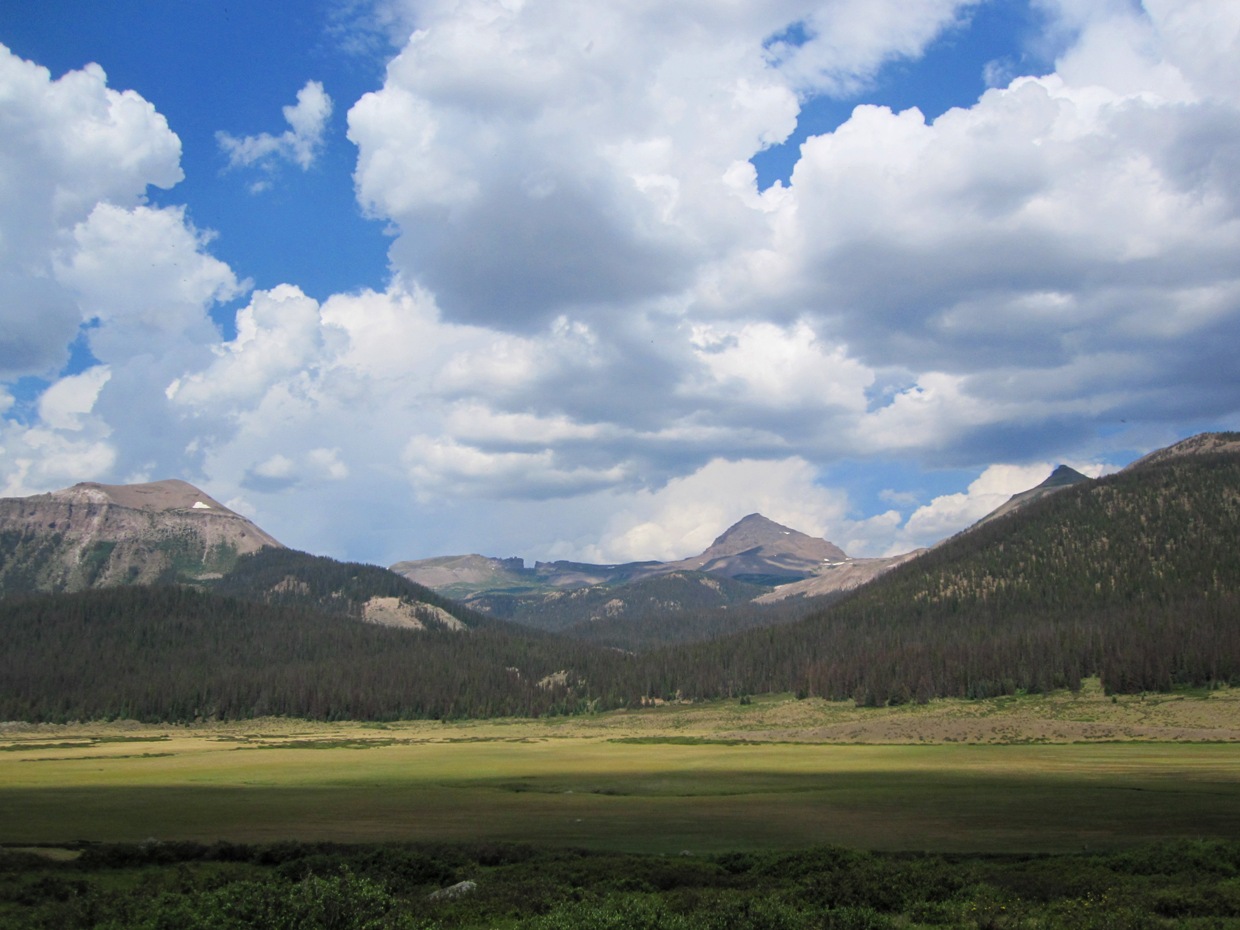
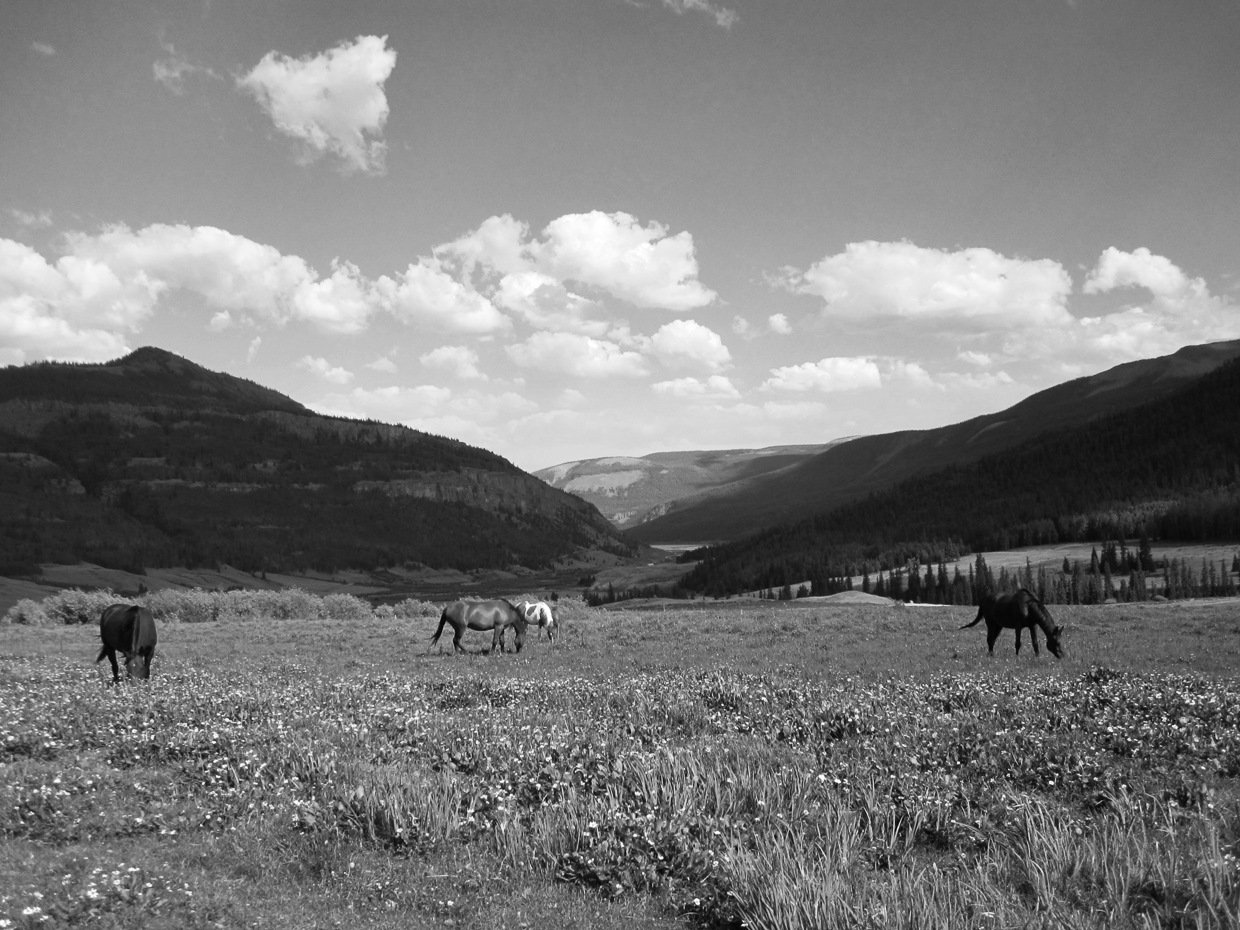
We sit in the sun by our tent watching our little herd of horses graze in the pasture below us and a formidable flock of charcoal grey clouds form above, into what appears a solid bank, rolling high and heavy over the Window and Pyramid, approaching our valley.

In minutes we are overcome, in shadow, embraced by portending doom.  The storm arrives.

Now horses safe in the trees and we in our tent, we listen to the clap of thunder arrive at the same time as the lightning flashes.  No time to count, “one mississippi…”  Sound vibrations roll back and forth across the valley, a game of ping pong between the two mountains.

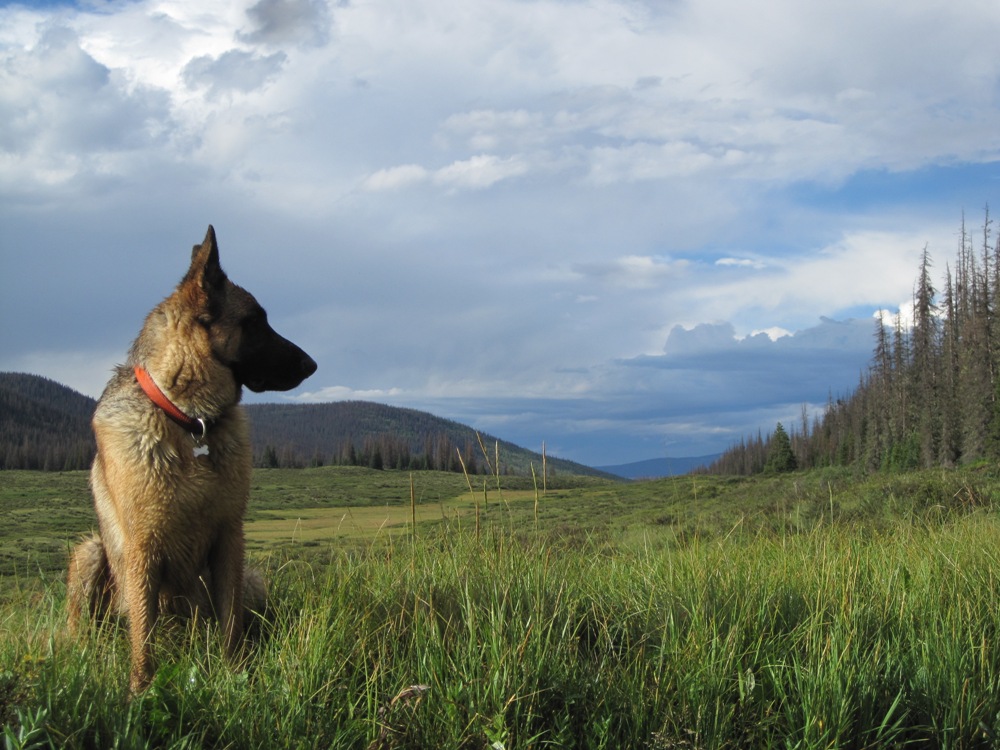
Gunnar sits at the open doorway of the tent, knowing it will pass but quite content to wait this one out as the rain on the top of the tent turns louder and the ground turns white with hail.

Time and again the tapping overhead slows and the sky lightens and we prepare to head back to work, only to be confronted with thunder so loud you jolt and clap your hands over your ears at each blinding flash of lightning.  These clouds seem to be seeking a path up and over the Divide but instead roll around from side to side, circling above us, above the valley, round after round of intense storm.

Wait it out.  This too shall pass, I remember the words of a dear friend quoting her mother.  We will have plenty of time to complete our work.

The boys have dozed off. Even Gunnar left his post by the door and is sharing the bed with Bob.  Me, I refuse to give in to heavy eyelids.  I want to get back to work.  But holding the pen becomes harder and harder, my written words scribbled and incomplete, and I give in to the sweetness of a brief afternoon nap.


Day 3

Night time.  The Big Dipper just to the north of the Pyramid.  Stars so close you feel surrounded, embraced, overwhelmed, very, very small.  It all looks so big.  Unanswered questions overhead.  Unlimited curiosity, unlimited view, unlimited world of which we are a very small, very quiet part.

Today in the ditch.  A small group of backpackers asking the way.  The trail has been all but closed.  Dead trees fallen.  The newest findings of this changing environment.  Fifty one across the trail in the first mile above where the trail crosses the ditch.
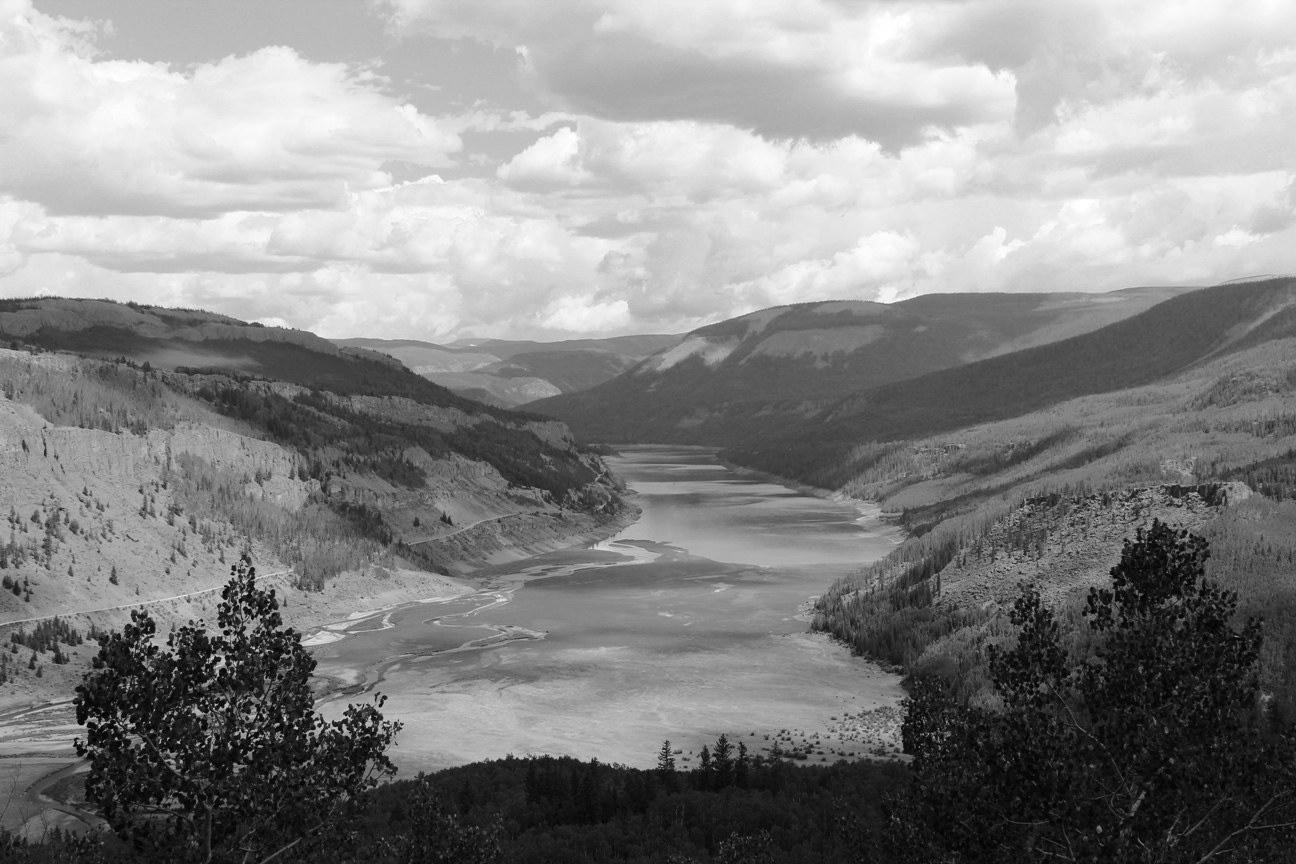
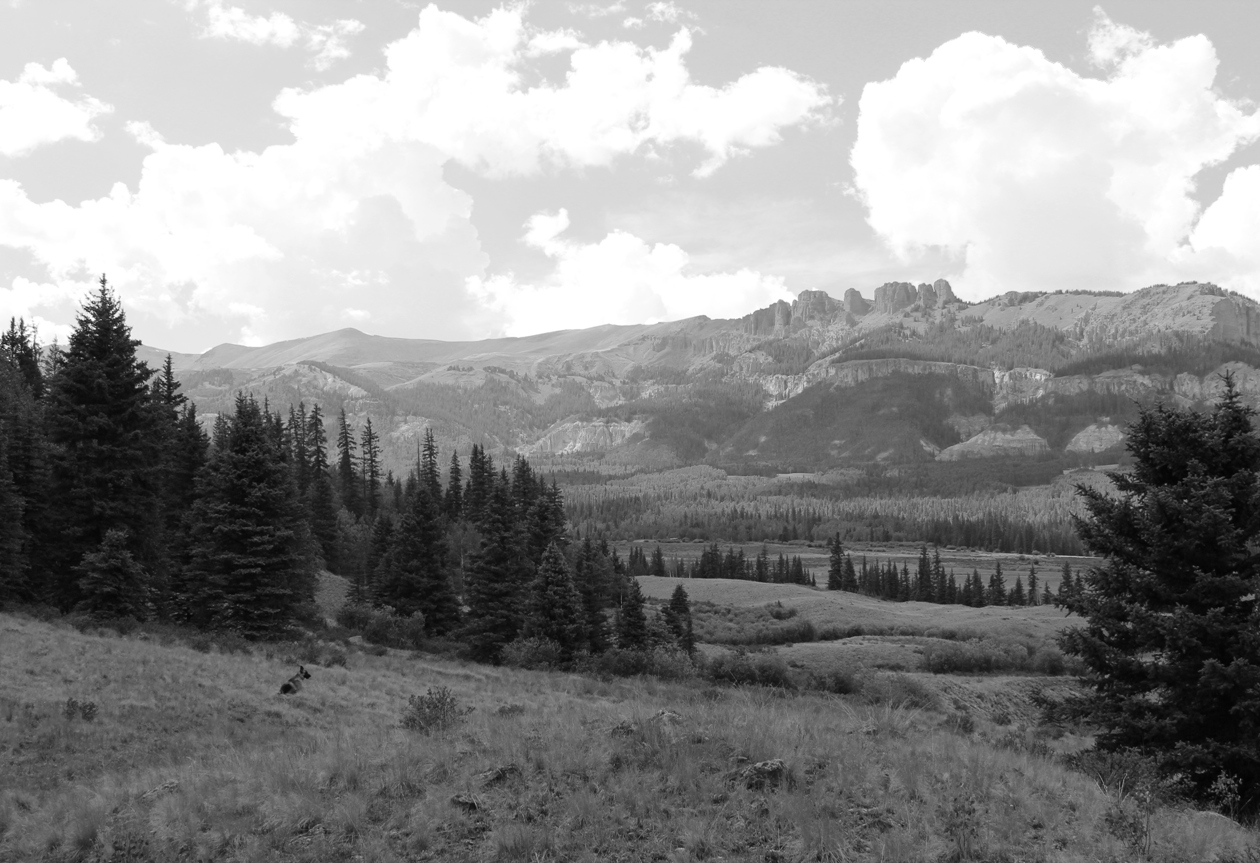
They are already tired.  Yesterday, downed trees pushed them off the trail, finding their own way three and a half miles through the timber this side of the Rio Grande Pyramid.  I am impressed they find their way without the trail. We see so many completely trumped when the visible trail becomes uncertain.  There is comfort in the worn path.  These kids relied on common sense and a sense of direction, two of the most valuable wilderness skills.

We lead them to the trail, point out the route and reassure them that if they make it through this first mile, things do get better.  At least, as far as we’ve gone.  They are going farther.  The Continental Divide trail, they are doing, from Stony Pass to Wolf Creek.  I think the highest continuous section of the Divide.  And the most truly incredible, like being out there beneath the stars, looking up and out at this huge and beautiful world beyond what you’ve ever seen before.

Their journey would have taken them on a two or three hour section above treeline today.  Mid day, when they would have been up and out there in the wide wild openness, another violent storm befalls the mountain.  I thought of these kids, and somehow was not worried.  Somehow I thought if anything, they would be so filled with wonder by the magnificence of it all, by the sheer immensity of the beauty and power of the storm and nature, and respectful of the simplicity and powerlessness of ourselves out there in it.


Day 4

Dinner bubbling on the woodstove.  Here where work can be so hard even Hamburger Helper tastes great.  Standing over the little stove, stirring. Keeping on my wet boots for that one last trip to bring in the horses from pasture.  Wet feet.  Forever cold and wet they feel here sometimes.  I prefer to cook with cold wet feet then allow my feet to dry, and then have to stick them back in wet boots.  How good it will feel when I’m done for the day and finally slip on warm wool socks.

Today, more felling and bucking in the rain. Oil the old cross cut saw to help it sing through the wood.  Stumps left standing with the tell tale blue wood from the beetles’ deadly kiss.  Curious to me the number the hikers up the mountain right now, and how few stop to ask what we’re doing.  I don’t find myself that intimidating, and actually enjoy stopping to talk with the few who ask.  Forrest called me Mother Bucker.  Lady Logger. I like it.  Sounds big and bad, but remember, I’m a forty five year old mountain mama from New York City who weighs in well under 120.  With my wet boots on.

An evening walk after work across the big meadow where our horses graze, to inspect the work done on “the big ditch,” the one more often seen and found, owned and maintained by the Colorado Division of Wildlife.  An organization I’m probably better off saying little about as I may not find anything nice to say.

Workers had been there for a few days this week, this year, still trying to repair damage from the year before.  At this rate, from the work we saw “completed” it will only be a few more years before they send in the big crew to fix it again. A big ordeal made bigger. Trucks and trailers lined up at the trailhead and news of a formidable work force sent into the wilds, long pack strings following just to bring in their gear. This was no typical Wilderness adventure to stumble upon for those tourists trekking the Divide.  Perhaps it is no wonder that the backpackers we see would rather let us be then stop for a welcome visit.

However work aside (and work here is important to us, as with all of what we do out here, from horsemanship to felling trees, we take such pride in our work and strive to improve ourselves each year), the greater upset was the way the wilds were left.  Disgraceful.  Wilderness Ethics were not a concern, or to be polite, perhaps just were not known.  Horses tied to trees along side trails (the Continental Divide trail, no less), trash left in fire pits, sections next to the trail of grass tromped down to dirt from the large crowds, and worse yet was the hillside trashed, used as their toilet without bothering to bury.

My fury over such disregard of these beautiful wilds is washed away in the gentle storm that swept over us as we walked back across the meadow, looking ahead at where our camp is tucked into the trees, invisible to the passer by, arched overhead with a perfect subtle rainbow.


Day 5

3 pm and the storm has not passed, only varied in intensity.  We are ready to return home for the weekend but the prospect of two hours horseback across the Divide in rain, hail, thunder and lightning allows us to wait it out.  The storm stays longer than we would have guessed.  I am anxious. Ready to move on.  Stresses of home have returned. Sitting and waiting, not working, they sit there with me and hold to me like a ball and chain.

Waiting out the storm.

What have I left behind to be here?  Running water (unless all these lovely little creeks can count) and internet connection.  Financial burdens, personal obligations, communications, keeping abreast of the modern world when here our world is gathering firewood, cooking in the tent over the little woodstove, horses and handtools, hand steeling, double jacks, shovels and slips, wedges and the six foot crosscut saw I sharpened just the other day along a felled tree, and will have to do so again before we fell the next big tree.  The beetles have provided us with an endless array of dead trees to clear from the water way.

What have I left behind?

I will return to clean jeans, a hot bath, sipping a strong cocktail, and slipping my feet into warm slippers.  I will return to stresses I am able to leave behind here and now and need not think about as long as I am here.

I have here with me that which matter most.  There is great peace in that realization.

We will leave when the rain lightens, the lightning storm passes.  And in the meanwhile, this is a good place to be… waiting.

Reflections from mid week

Rain.  A sweet sweet song playing on the metal roof. Steady rhythm, pulse, cadence.  I fade into the dark clouds, black black sky, like the deepest sea, behind which the promise of full moon rises.  Somewhere else someone else can see it.  In their own silence, far from the stream of rain drumming primordial chants above me, over, on top, around, surround sound embracing me, accepting me and allowing me. I breathe.

I’m home.  Ditch work for this week is cancelled.  We’ll make it up next week.  Sticking around to care for our little red mare, Canella, who, so it seems, was attacked by a mountain lion, and won.  One more reason to love this horse.  However, with a ranch full of little kids and a few little horses, too, sticking around to keep an eye on matters probably isn’t a bad idea.

So, I am left with a week unplanned, able to be filled with time to write, time to work the (other) horses, and time to get out and explore.

In my need to get out there as the confines of high summer weigh somewhat heavy upon me, the past three days found me on foot (not horses), hiking to places I have never been before.  Spontaneous adventures leading to who knows where.  Yesterday led us to the base of Brewster Park, about four miles up the Rio Grande from where we began, and back along our horse trail which seems so different viewed on foot in summer.  On foot, one finds more time to look closer, slower.  A different perspective.  Perhaps more intimate with the mountain.

Time.  This summer my goal was for more time.  Time to do what we’ve had to put off for so many summers.  More hiking.  Fishing.  Early morning photo safaris.  Pleasure rides, the pleasure of riding with just each other and even alone.  Building a bridge – our bridge, something just for us.   Writing just to write; playing with the written word, wild thoughts.

And it was on one of these hikes (it matters not which one, now, does it?) I noted the first yellow leaves of Aspen.  Bunches, small trees, a leaf strewn across the path before me.

Summer promised to end.  I feel her bowing early as early she came on this year. The hour glass empties and as always is only so full.  How short she really stays up here.

A part of me grasps for the hope of enough sun and warmth to bring on tan legs and a ripe tomato.  I am rather sure I will see neither one.  Another part of me trembles with anticipation of my wild winters returning.  So close.  My breath quickens and I am lost with her, alone, and exactly where I want to be.


She touched the face before her

A hard and cold reflection

Slick surface on delicate hands

When really what she wanted

Was a soft embrace

Listen to the wilds cry

Listen to the wilds cry

Confessions heard in dying trees

An intimate look at a big forest ravaged by tiny beetles

If anyone had told me ten years ago that the hills as far as I can see and beyond would be filled with such death, that I’d be surrounded by miles and miles of mountain hillsides draped with dying trees, up to the top of tree line on both sides of the Divide… I would never have believed.

I believe now.  For this is what I see.

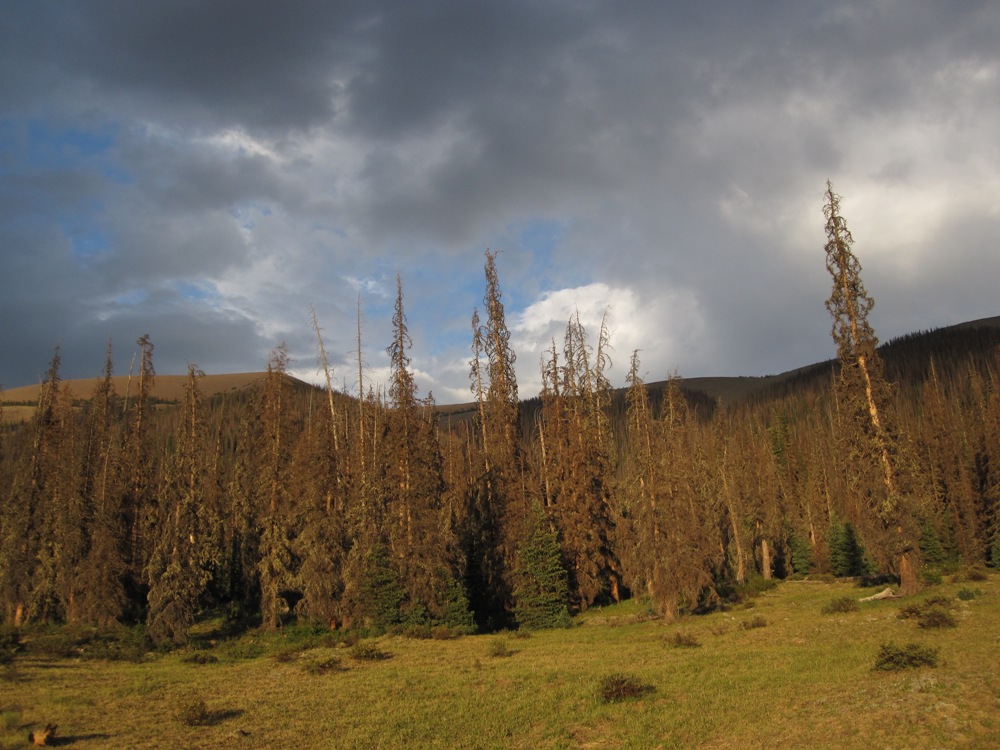
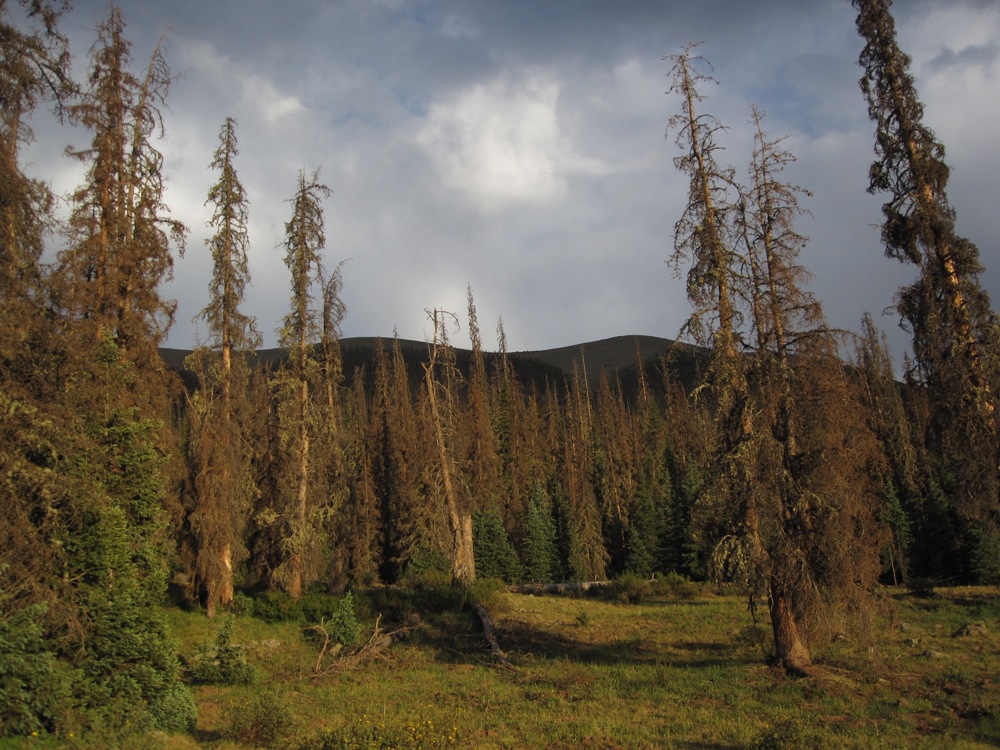
Green turned red, brown and grey.

We try to be optimistic.  See the few green trees remaining.  Some smaller Spruce, and of course, the Aspen.  Glimmers of hope.

It’s not enough.  Look at the rest.  It’s dead. Dead, damn it, dead!  We are living surrounded by death.

I try to find the beauty in it all, and if the light is just right, it’s there, you can see the softness in the setting sun on the dying needles.  A more open view when you’re in the woods.  But really, that’s it.  It’s dead, death, and lots of it. It gets to you some times.

Genocide of the mountain and we sit back and say there is nothing we can do.  Rape of the land I love.

It’s not that bad, you say.  There’s still so much beauty, so much goodness, so much life.  Oh, I know.  I see it every day.  I do my best to appreciate.  Wildflowers, grasses seeding out, steel grey clouds, trout surfacing the river, captivating colors in the rocks, a rainbow, a sunset, the flash of the blue bird on the old cedar post.  But there is also so much death.  And dark clouds do get gloomy, intriguing as they may at first appear.

Cheer up, you say, it’s still so beautiful and always will be.  Oh, I promise you, I know and I see, very clear and very deep.  For I am here, remaining when your fairy tell ends.  This is our home, our reality.  So how can I turn a blind eye to this devastation?

I saw a stand of smaller trees, two, three, four inches in diameter, standing dead with tell tale signs of beetle kill.  Dripping sap turned hard, pin holds and chipping bark, needles falling off like rain, teardrops of the wilds as I ride by horseback and brush too close to death.  I tip my rim forward and let the needles fall onto my horse’s mane and neck.  He is used to this.

This was not supposed to happen.  None of this was.  I remember the first such ravaged land I saw, devastated by the beetles, back fifteen years ago or so in Carson, New Mexico.  Didn’t know what it was back then, as we watched the four and five hundred year old pinon trees that were here when the Spanish settled, wither away in one season.

I’ve heard all the “expert” opinions, and know it’s just a guessing game.  It will only get the pinon, or perhaps the ponderosa, scotch, limber, lodge pole, fir, bristlecone, spruce…  It will only kill up to eight thousand, then nine thousand, ten thousand feet…

Last year they even told us once it’s dead it might not burn as bad.  Colorado learned the hard way this year.  I don’t want to call it all “lies.”  The intentions of the so-called know-it-alls might be good.

Face it.  No one knows.  I’m tired of hearing predictions that don’t pan out and ideas to fix the forest or save one single tree that just won’t work when the entire view – yes, miles and miles and miles, how many millions of trees – die before me.

Death.  That’s the problem.  It’s not that it is ugly per se, though most of us who live in it still have a heck of time finding true beauty in the rolling red hillsides or one individual, unique dead standing tree, just one more in a forest of so many.  The problem is that the hills and mountains that once sang with life and promise now stand silent, stripped and exposed like a bleeding heart.  Our trees have been raped and killed.  And not just one or two or a hundred or so.  But mile after mile, mountain after mountain, millions and millions and millions of trees.

Dead.  Don’t tell me it’s a natural cycle and it’s all going to be OK.  I’ve heard enough of that.  You’ve proven you have no idea what you’re talking about, what is happening. But it’s happening.  It’s happened. These trees are dead.  These mountains are dying.  It’s death and it’s ugly and it’s real. So stop sugar coating the view before me because I take off the green tinted glasses and I see red and brown and grey.

I’m tired of lies.  Of guesses.  Of ignorance for which I am guilty too.  I’m tired of listening for what I want to hear, taking solace in the latest glimmers of hope like blind faith, as the plague continues to spread and we place our bets on how far it will go next year.

My child’s children will never see these mountains as tall and green and lush and majestic as I once did.  But no longer do.  Now I see red.  I am red with anger.  The mountain may silently weep.  But I can rage loud as the color red.


(…to be continued)


OK, friends, readers and passer-bys, on that happy note… I’m off again this week for another round of ditch camp.  See you at the end of the week.

The other side

“You were made to contribute,” I read and these words felt strong and true.  But what do I have to give?

Isn’t there’s more to my calling in life than providing a vacation for tourists?  Building my world so others can enjoy it for a brief stay away from their own reality.

“Instead of wondering when your next vacation is, maybe you should set up a life you don’t need to escape from.”  Seth Godin.

I believe this and have tried to live my life this way, yet I’ve been providing that escape for others.  And doing so is what has enabled me to live the life others dream of, but don’t dare to walk away from safe and sound and secure to create.

Have I no further talents, gifts, abilities, that can help in some way?

Seriously, life is hard sometimes.  Why can’t the answers just present themselves?


I’ve been told they are out there.  Be still, silent, and listen.  I don’t hear them yet.

I try to find a quiet time alone with her.  Hear her wisdom.  In wind and water and hard earth beneath my feet.  Above the river, across the river.

Here, our Rio Grande, her stories are not old, but fresh and new, like fairytales heard as a child.  Here, only miles from where she emerges from snowbank and spring to tint, trickle and trail the mountains and wind her way through my land, my world, my dreams.  Here, she is new water, strong and pure, not yet softened and slowed, diverted, polluted.

Step in, she calls me.

And I do.

I thought you would be harsh, blunt, cold, shocking.

Instead I find you have softened with age, sun, seasons.  You are summer waters.  Childlike.  Or very, very old and wise.  Hard to tell the difference in your silver face.

Rolling over rounded rocks, as have I.

Take me to the other side, I ask of you, in a current too strong to remain.

And now I walk above you. And am there.  On the other side.

Washed away by white noise of the river.

Stepping upon last year’s leaves still untrodden.

Ditch Diaries


Year six, week one.

Heading higher.

My self, husband, son, dog, six horses…

That’s all.  Enough.  Perfect.

Away from those here to get away.

I lose myself, my home, my sense of peace and solitude. I find it again.  There.  Isn’t it odd? At Ditch Camp.

Some say it sounds so romantic.

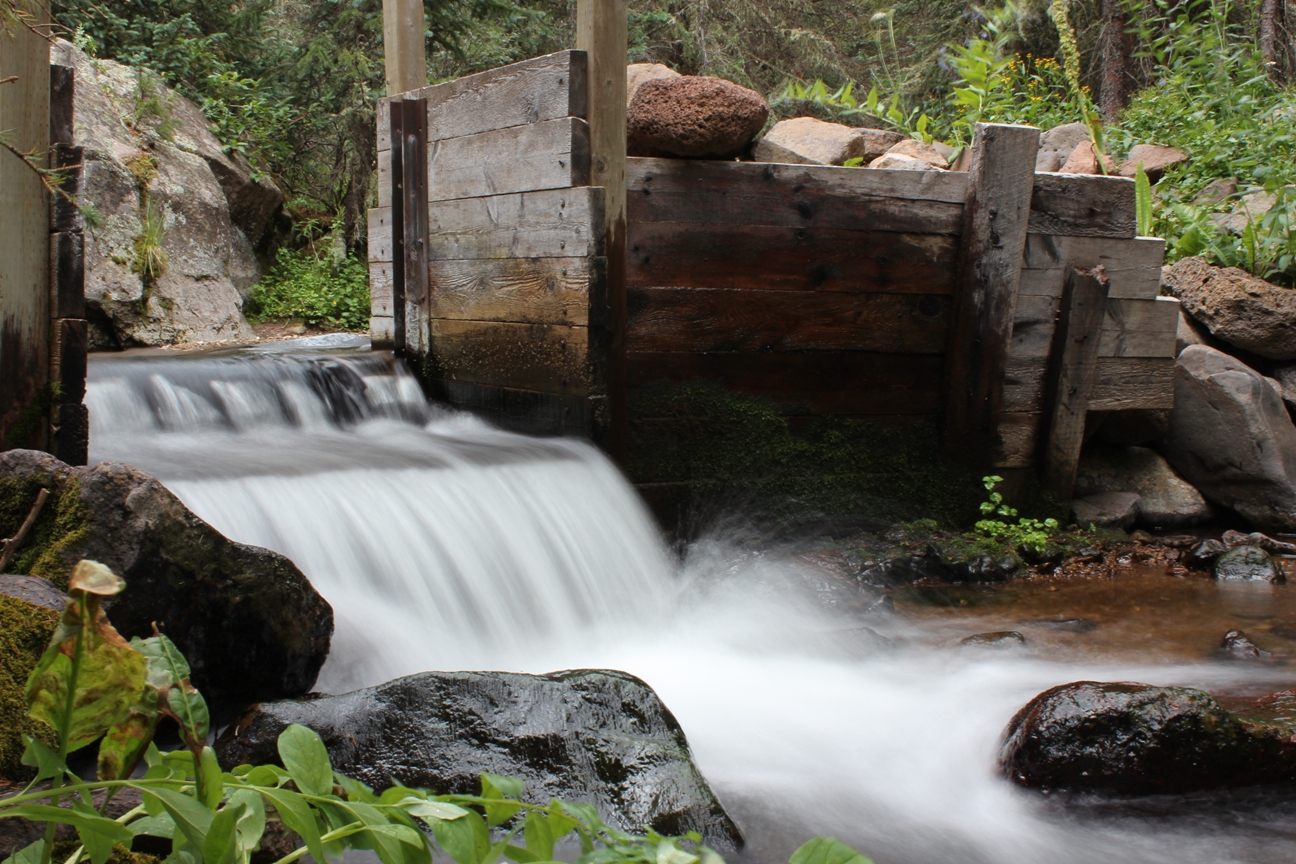
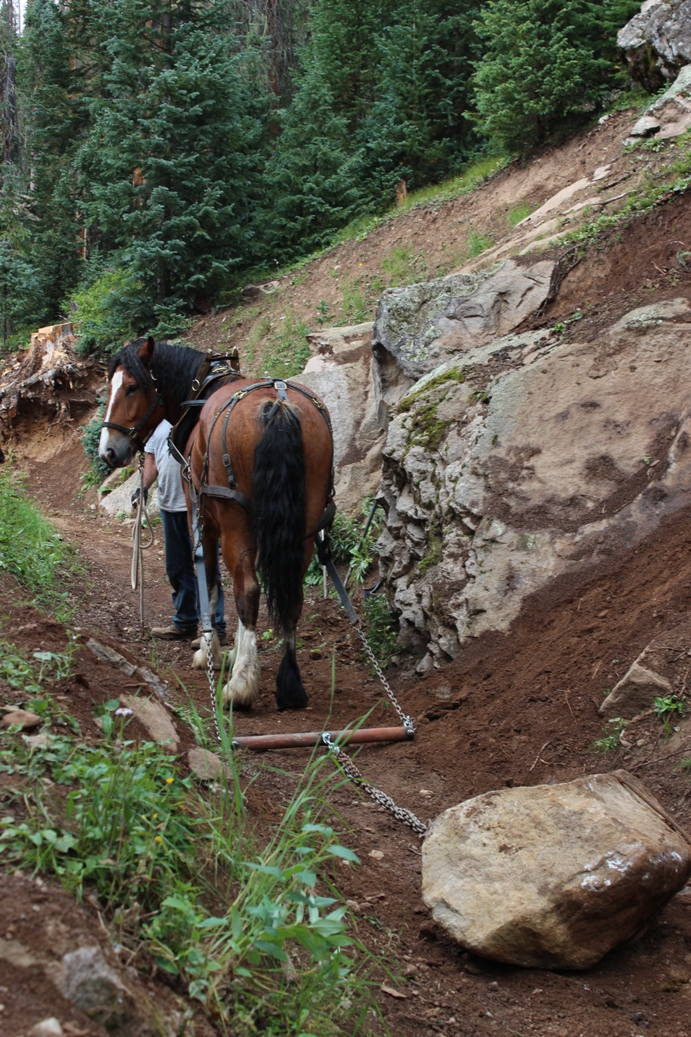
Working in the high country.  Maintaining a trans-continental water diversion ditch deep in the Weminuche Wilderness, over a mile long across the Continental Divide.  Hard work and horse power.  Just us, our family, our stock, side by side, push pull, sharing the work, the camp, the views, the silence…

And then there is the reality.  Sore muscles. Sleeping on a thin pad after a day of working to the point of shaking, unable to lift the shovel or pull the saw one more time.  Rain, cold, dirt, bugs, no relief from a camp fire due to the fire ban, and not quite enough sun in the morning to dry your jeans and work boots before dressing. Digging cat holes and squatting in frosty grass under dripping trees. Hamburger Helper and iceberg lettuce night after night because I’m too darned tired to cook and seems like we never can get enough calories in us up there.  Leading hungry horses to pasture in the cold wet morning and back to the trees at night.  Care and complaints of horses that would rather be back home on pasture, and know the way.  Picking at the hillside, cutting roots, lifting rocks and shoveling soil, leading the draft horse, saddling and unsaddling in the rain.  Pulling the cross cut saw, in out, back forth, over and over and over again in a rhythm like breathing only… harder.

And you know.  I love it.

I give you this to read for the week.  It is long.  It may take you all week, if you care to read that much.  And if I can keep myself from writing more, for my mind gets going and is hard to stop…

Day one.  Arriving at camp.

It starts with packing along the dusty road with stranger after stranger driving by looking at us getting the packs on the horses as if we were a roadside tourist attraction, there for no more than their viewing pleasure.  Some slow long enough to whip out their camera and take a quick shot.  Most drive by as if we’re one more sighting of wildlife to add to their list to tell Aunt Jo back home in another town, another county, another state, just like it was when she used to come here for her one week a year to get away…

But she’s not here, and we’re not a tourist attraction, and I’m tired of my life being on display and those that find my life a curiosity or think we built our life for them.

And tired of sucking the dust of yet another ATV driving by anonymously.

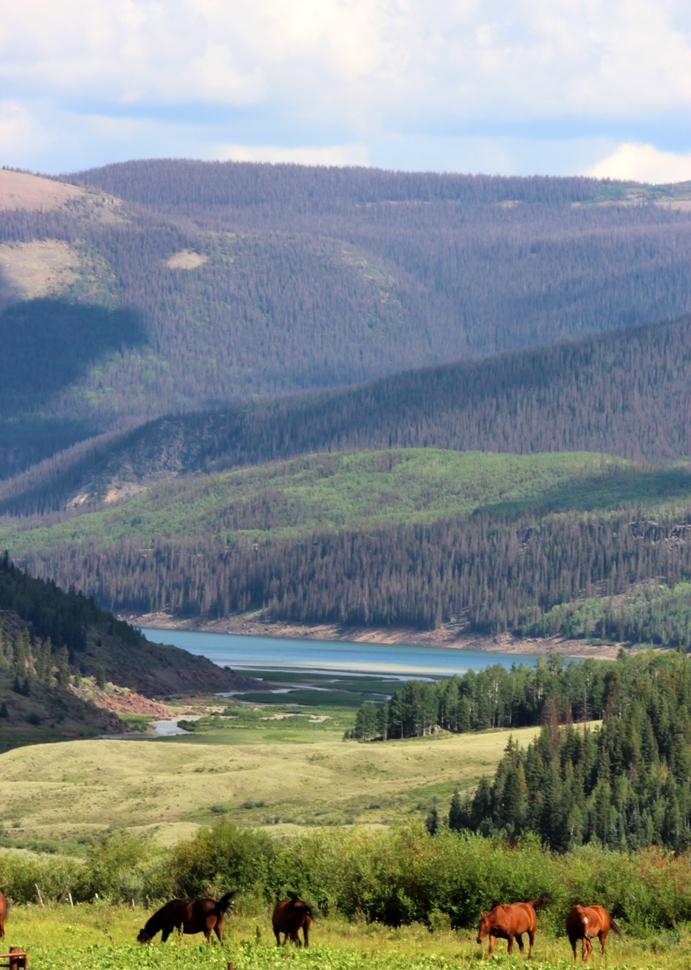
Dust follows us as we fall in line, in unspoken unison, and ride our horses across the dam of the reservoir.  Up the first section of trail we still hear the whining motors, following us like haunting nightmares.  And then it is gone, all gone, over, and we are left alone in silence in the Weminuche Wilderness.  And that, my friends, is where I want to be.

It continues with the best day ever, the best ride ever, on the most difficult horse I ever rode, ever trained, ever learned to trust in the mountains.  Yes, my Flying Crow. He rose to the occasion, hunkered down to work and got the job done, ponying two mares and half of camp, and leading the rest.  Faced his fears when I asked him to – and he has so many fears.  Elk on trail, moose at camp, and innumerable boogymen that I couldn’t see.

Which reminds me.  About chasing moose, the mother and baby.  Gunnar did that.  Again.  People tell me it’s dangerous.  I’m not saying it isn’t and I’m sure not saying it’s good.  But I always thought he could handle himself, do his job of chasing wildlife away from his horses, and return unscathed. He’s a true shepherd.  It’s his job.  He has his own boundaries.  It’s not about the hunt; it’s about getting them away from his charge. And if you see this little shepherd chasing off the big ugly moose, there is a tinge of David versus Goliath and a twisted smile, though I swear I wish he wouldn’t do it.

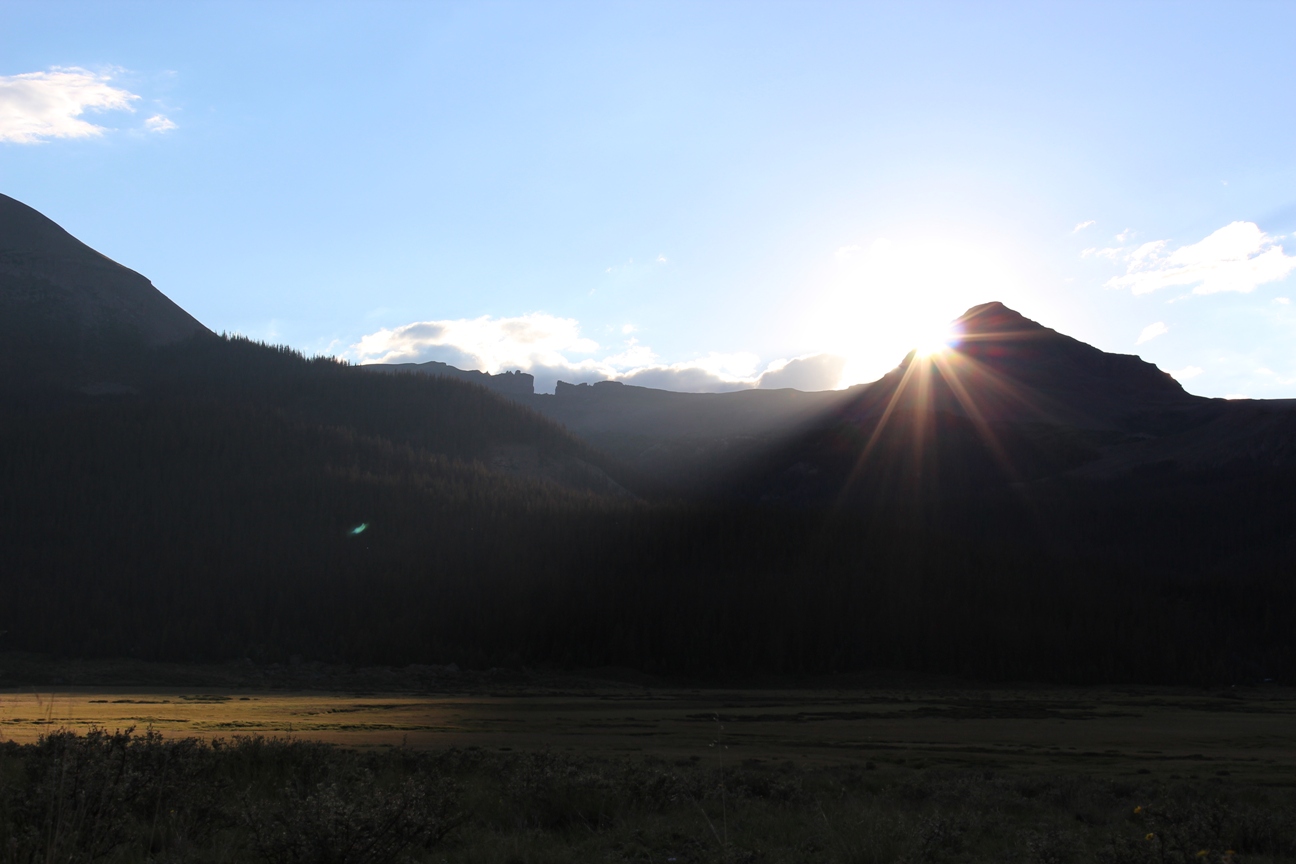
It ends with us there. Horses picketed or hobbled, heads down grazing.  Sun setting behind the Rio Grande Pyramid there in view before us.  Tent and tarp set.  Tools leaning up against a tree, including the cross cut saws I so carefully sharpened and oiled and prepared for the onslaught that awaits them tomorrow.

The silence settles us.

We sit under the tarp with dinner in paper plates leaving grease stains on our jeans and boxed wine in enamel mugs and we breathe.  Just breathe.  And really, that is all I hear at first.  The breath of my husband, my son, my self.  My dog there with us.  A few relaxed snorts from the nearby horses.  And life is very good.

In time, there is the scratch of my favorite pen on paper.  I actually missed the sound, the feel, the sight of my scribbled writing pouring from cold hands, light streaming from the little headlamp strapped around my wool capped head, while the rest of me stays warm in the double sleeping bag, tight against my tired husband, so close beside my son and dog.  The four of us in the so-called two-man tent, and there lies a difference between many a two men, and my family.  Here.  Now.  No place we would rather be.

Day two. The real work begins.

Twenty trees cut and cleared from across the ditch this morning.  The cross cut saw sings with joy after the hours spent sharpening and setting the height of the scrapers and taking such pride in this old tool that once came off the wall of the log cabin as no more than a nifty rustic decoration.

Only four and half more trees cleared in the afternoon, including but half of the Big One that fell since we inspected the ditch only weeks ago.

Rain begins.  Jeans soak in the moisture as we hope does the ground.  We seek shelter under needleless trees that provide little protection.  Instead we hunker down, wrapping ourselves under our raincoats, knees to chin, backs again the bare trees, and wait it out.  The rain proves more tenacious, and for this we are grateful for we know the mountain thirsts.  Yet we long then, selfishly, for a campfire which might bring us warm and dry again.  Barring that, a sunny morning and enough time before work to hang the jeans in trees and set the boots on rocks to dry before the work day begins anew tomorrow.

That evening our plans change.  A new horse to camp decides she has had enough and it’s prime time to go home.  Bob retrieves her.  Another, however, becomes upset by the matter, and runs around with the new found freedom of having lost his hobbles.  Gunnar always runs with his horses, and ran beside this one too. I swear I saw the look of joy on Gunnar’s face right before the horse turned sharp and kicked back sideways and got Gunnar hard in the head.

Day three.  Rest, recovery, and a little work.

I did not sleep much last night.  Having had nursed my son through a head injury just months before, I kept a vigil and checked on Gunnar throughout the night.  From time to time I drifted off and dreamed about packing him out of the Wilderness on horse, figuring out the logistics of which horse to ride, to carry my dog, to leave behind, what to do with camp two hours from the trail head and two hours more to the vet.  He just needs to get through the night, I kept thinking.  I don’t want to ride the steep trail blind in the darkness while holding my dear dog instead of the reins.

My dreams drifted back and forth between my one-eyed dog, a haunting of my old Zorg, the first shepherd I had who taught me one eye was plenty for keeping a good eye on me; and my mom and dad who had recently endured a car wreck.  We headed to camp before hearing the final word of their well being, and there I was, worried…

We awoke to a little sun and a lot of hope.  Gunnar’s eye was swollen shut but we were pretty sure the eye was not damaged. The bleeding in the nose continued but seemed to be draining the swelling of his horribly swollen bridge.

We cleaned the dog, the blood on our clothes, our sleeping bags, the tent, and laid everything out and in the little bit of sun to dry before the rain began again.

By late morning we put on still wet jeans and boots and return to work, hoping to get in a few hours of bucking before the rain, leaving the dog resting beneath a nearby tree, close enough to hear us sawing as he tries to watch us through his one good eye, and falls in and out of needed sleep.

Evening.  We have decided to leave tomorrow. Gunnar should be able to just make the two hour trek out to our truck and trailer, and if not, then surely we need to get him to the vet.  We have completed our saw work for now, and cleared the ditch of a total of thirty obstructing and fallen trees.  There will be more.  Plenty more.  The beetles provide us with job security.

I once heard a fat man can fall trees.  And sure enough, I’ve seen this to be true.  But a lean lady sure can buck one up clean.  Just a little something to think about…

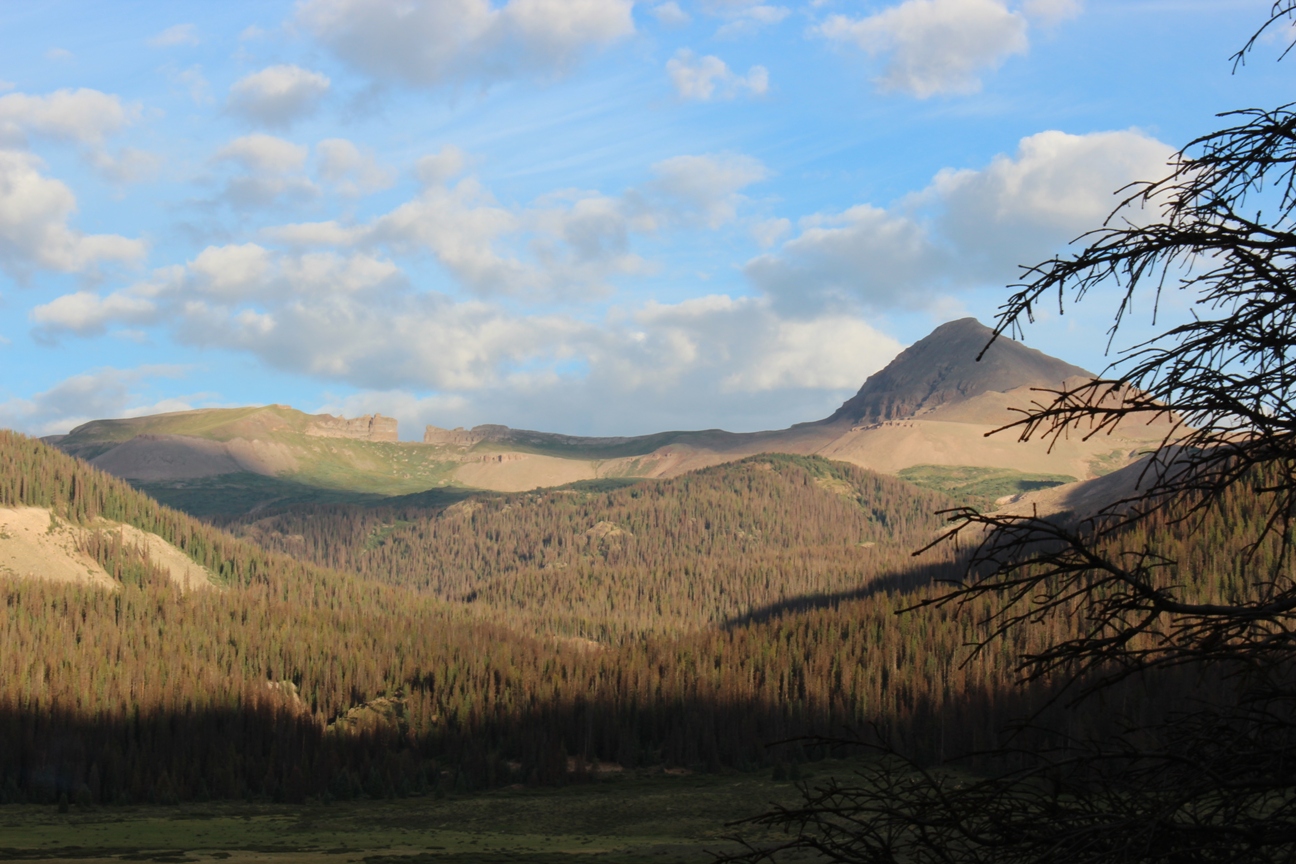
An hour before sunset.  I leave the boys resting in the tent with the poor pup and talk a quick walk up the North Fork trail to test out my new camera (more on that at a later date) and soak in the changed view of the now brown hills in golden light.  Beetle kill.  I count fifty one trees fallen across this short section of trail and I wonder the fate of horse traffic and travel in the Wilderness.

Day four.  Heading home.

Fourth of July and we dread leaving the higher country early when what we want is to be there, not back here with the tourists and traffic and dust and noise.

But we make it home safe, set the horses free on pasture with the rest of the herd, and sneak down to the Little Cabin where we have not been able to spend time yet this year.

For the dog, we say.  So he will not be disturbed.  So he can rest and recover.  We blame it on him.  It’s easier that way.  Though I’m not sure I’ve fooled anyone.  My unsocial tendencies are well known.

And there we are at night, in the little cabin with rain falling hard on the metal roof and old warped glass windows, the wood cook stove chugging away with dinner in a steaming pot on top, where our insatiable appetites are allowed to find their fill, and warm dry thick real beds envelope us for the best night sleep it seems we’ve had in ages, Forrest in the top bunk, Bob and me in the middle, and Gunnar in his bed beneath us.

We’ll go back in a couple weeks.  Let the dog recover, the horses get their fill.  Spend our time working on some other projects around the ranch and at neighbor’s that need to be finished up first.  Then, we’ll return to our higher mountain home.  Get away; get back to our work, wilds and silence.  A strange balance.  I’ve been told it’s unreal.  But that’s not the case at all.  In fact, it is very, very real.

(a bunch of additional photos posted on Facebook)

Close to home

If a horse could cry.  I can.  And I do.

Tears flow freely; rain does not.

I cannot stop crying and know my tears do not help unless they can turn to rain.  I am not a religious person, but I find myself praying.  For others.  For the mountains. The animals.  The trees.  My beloved trees…

I think of all the wilds, the wildlife, and what happens to them now, what happens next?

Here, we have rain.  Just a bit, though I suppose it is enough.  Or is it just luck?  Lightning strikes aren’t taking hold. The fire to the south of us is relatively contained.  The rest of the state is not as lucky. This time.  Some time, of course, it will be here. It will be us.  Our mountain.  Our wilds and wildlife. We await. This year.  Next.  Three years from now.  Who knows?  The time bomb upon which we balance precariously in hopeful ignorance.
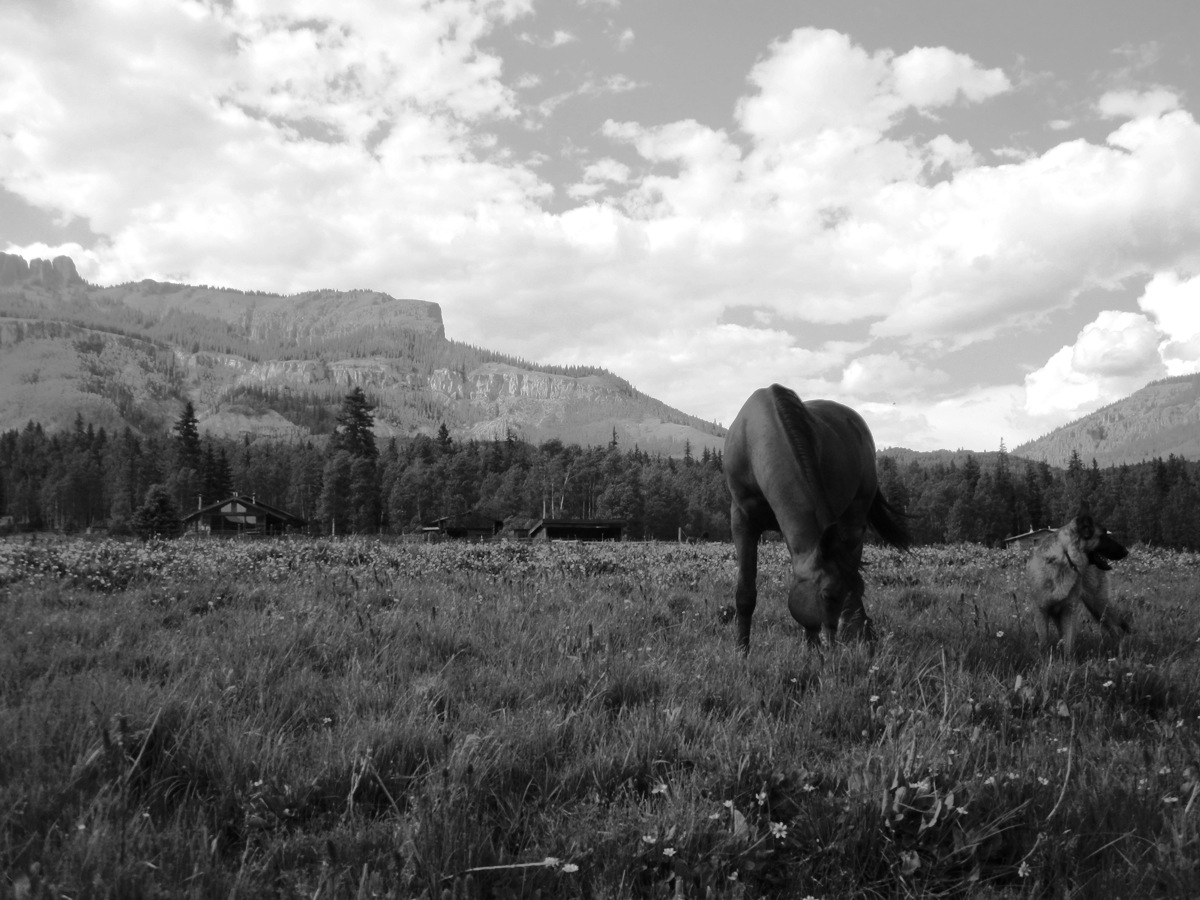
In my dreams there is fire and smoke.

I can no longer appreciate the red of sunset, for fear it is inspired by flame, for knowing it is enhanced by smoke.

My country is burning.  Though not yet close to my home, I think of all the other homes, built and feral, up in flames.  Now we know it is but a matter of time.

Computer data, scientific models, and the Forest Service.  They said the beetle killed trees wouldn’t burn as bad. This summer, we see they do. Dead timber forests are safer than green, they said. But what burns best in my wood stove? Pardon my lack of science here. I wonder what happened to common sense based on observation of the world around us.

I read an article entitled, “Screaming Trees.”  The tears begin again, for I hear their cry.  How few have heard the silent wail?  We wear our blinders, find a green patch, turn our backs to the ravished red hillsides, and think it is all OK.

Until it comes too close to home.

Rain

Rain

Coming in waves

She returns

Angry as the ocean

And we welcome her wrath

Hard and pounding on the windows


Upon the rim of my hat as I untie the horses and set them free

Lasting for but a moment and passing on

Returning to calm and blue

Barely scratching the surface of soil

Parched lips and land

Thirsting for more


Last night she came

Joining us as we curled in bed

Welcomed as a lover

We opened our windows to her

Receiving

Let her song flow in


Soft and mild like breakers on a bay

Gently lapping at hungry soil

Waves as potent as the pulse of my husband’s blood

Warm against my bare breast

His quiet breath leveling out beside me

While her lullaby seduces me again and again


Singing the sweet symphony of promised showers

Heralding from the metal rooftops and the hard ground

Now hills and sky are a broken pattern of grey

Fading

Interspersed with indigo blue

Dominating


And still I swear the grass is a shade greener

The soil darker and richer

If only the facade

And for once

I care not scratch the surface

To find the underlying truth below

Voice of water

Calm me with the

Voice of water

Delicate as evening rain

Subdued sky

Bathed in pink and grey

Subsiding winds

Down to a whisper

Douse the fires

That rage around me

Are aroused within me

As the wilds are washed away

In a commotion of smoke

My blood burns hot and troubled

Untamed

Unconvinced

Longing for the touch of water

Observations from up high

This is not a pretty picture.  It is not meant to be.  Only real.  Finding beauty is up to you.  How deep and long are your willing to look, knowing you can look further now through the thinning trees?

It started with a ride, perhaps the most frightening I have taken by choice.  A simple ride up the Ute Creek Trail, without another horse or human on the way that day, perhaps for days.  From my barn, perhaps a 16 or 18 mile ride, into the Weminuche Wilderness and back.  But here’s the real challenging part:  I rode Flying Crow.

Without wishing to make this all about horses as I’ve been tending to do as of late (it’s that time of year, you know), let me just say I was scared.  At one point (for those who know the trail, the section known as the Funnel Cliffs by the old timers), I dismounted and walked.  I hate to admit that.  That goes against… what I believe for horse training, for riding, for making it up this trail.  Yet, it goes along just fine with my sense of survival.  After my horse stumbled off the trail so many times already (“What are you thinking,” I actually yelled at him, though I think the problem was that he wasn’t thinking; he was too busy looking around for the bogy man that  never showed), and knowing this section would allow no room for error, I decided not to risk it.  I got out of the saddle, held his reins, and walked for fifty feet, and cussed him, Arabian horses, right brain behavior, and my choice of horses the whole way.  On the return trip, however, I remained mounted, and as you can see from my being here to write about it, I survived.

What I wanted to share were my observations of the mountain along the way.  I will try to keep emotion and comments to a minimum.

These are the facts.

Elevation was between 9,550’ where I crossed the Rio Grande and 10,950’ above the forks of the Utes.

I viewed a varying percentage of beetle kill along the trail, from less than 10% (down at the River crossing), to 75% or more of the spruce.

It is often the green trees being blown over (and having to be cut and cleared from the trail in order to ride on).  Even needles catch the wind.

Needle-less trees allow more light on the trail.

The trails and hills are more exposed due to fallen and/or needle-less trees, making a once cool and shady horse ride rather hot.

I had promised Gunnar it would be a cool, shady trail.  I lied.

Places where we have always ridden through bogs hidden in dark timber are hard and dry.  The sun was shining on them directly.

A horse’s footfall is silent when crossing needle lined paths.

These are interesting times.

Clear before me, from as close as my kitchen table, I see the changes.

At times it feels too close to home.

For this is my home.

Next year may be a cold and wet one. But these trees, the deep green mountain, won’t return as long as I live, as long as my child lives.

I leave you then with this.  Delicate balance of hope. A unusual white columbine, so fine and pure, found no higher than the bank of the Rio Grande as she cuts across our property.

Awaiting rain


Awaiting rain

Elusive, tempting teasing taunting

Powerful, passionate and cruel

I would start with a single cloud

Full of hope and promise

Growing filling building like dreams

But instead there is smoke to the south

Wind from the west

Endless blue as far one can see to the north

A mountain blocking my view to the east

The sacred four directions

Not quite forsaking though perhaps a bit defiant

As the land flourishes in her new red hillsides

Like a new dress worn for the very first time

As the world turns and the springs dry

And the once boggy fields can be crossed on foot

And still I can imagine

The sound and smell and feel of hard cold high mountain rain

Saturating hot flesh and dry land

Lush fresh new youthful green of the Aspen’s full leaves

In contrast to callous ground

The first drops will land and leave tiny craters in the sand

Kick up perfect puffs of dust on the trail

That which once was a single track

And now we have a road

You will hear them coming from a quarter mile away

Prepare yourself

Step to the side

Hide like a doe in the trees

Far enough to be safe from dry earth kicked up in their wake

Or the splatter of mud that will be churned to paste after the rains

They will ride by

Pass you unawares

And feel they have conquered the mountain

With their little motor

And sense of security

Driving along side by side

Smiling

Like a bunch of ignorant beasts

Clearly where they don’t belong

As long as the gates to the zoo are left open.